



Last Updated: November 18, 2026
Quick Summary
Buttery soft fabric clothing reduces friction against the skin, manages moisture and keeps you comfortable enough to forget what you are wearing. The softness comes from fine yarns, dense knits and brushed or sandwashed finishes, so check the composition label before buying.
- Finer yarns bend more easily and create less friction against your skin.
- Brushing raises tiny fibres for a peach-like texture, but needs gentler care.
- Cotton was rated most comfortable and softest in Cotton Incorporated's Global Lifestyle Monitor survey.
- Wash soft leggings in cool water on a gentle cycle and air-dry or use low heat.
- Buttery soft is a subjective description, not a regulated standard any brand must verify.
Table of Contents
- What Buttery Soft Fabric Really Means
- The Comfort Benefits That Actually Matter Day to Day
- Breathable Fabrics for Loungewear: What to Look For
- Choosing Soft Fabric for Sensitive Skin
- How to Wash Leggings So They Stay Soft
- How to Prevent Fabric Pilling on Soft Knits
- The Buttery Soft Marketing Myth Worth Knowing
- Finding Buttery Soft Pieces That Fit Your Everyday
- Frequently Asked Questions
What Buttery Soft Fabric Really Means
Buttery soft fabric is a textile with a smooth, low-friction surface that glides against the skin, usually achieved through fine yarns, a dense knit structure and a brushed or washed finish. At Sandee Rain Boutique, we describe a fabric this way only when the hand-feel genuinely matches the words. The benefits of buttery soft fabric clothing start with touch, but they do not end there.
Fabric hand-feel is the technical term for how a textile feels when you handle it. It covers smoothness, drape, weight and warmth in one impression. Two garments can look identical on a hanger and feel completely different against your skin.
That gap is where most buying mistakes happen. A soft touch at the register tells you nothing about how the fabric behaves after ten washes, or how it treats skin that reacts easily. Below, we break down what actually creates softness, which comfort claims hold up, and how to keep a soft knit soft.
For the deeper textile explanation, our guide on what makes fabric buttery soft covers the fibre and finishing science in full.
Yarn Fineness, Knit Structure and Fabric Hand-Feel
Softness begins at the yarn. Finer yarns, measured by denier and filament count, bend more easily and create less friction against skin. A fine yarn knitted into a dense structure gives that smooth, fluid feel shoppers describe as buttery.
Knit structure matters just as much. A flexible weave or knit moves with the body instead of resisting it, which is why soft loungewear rarely feels stiff at the seams. Yarn density affects durability too: too loose and the fabric pills, too tight and it loses drape.
Brushed Finishes and Sandwashed Blends
Brushing raises tiny fibres from the surface, creating a peach-like texture. Sandwashing softens fabric mechanically before it ever reaches you. Both processes improve tactile comfort immediately, though brushed surfaces need gentler care to stay smooth.
Synthetic blends dominate this category for a reason. Polyester and spandex combinations hold shape, resist wrinkles and keep production costs sensible. Natural fibres such as cotton and other cellulose fibres offer breathability, and Cotton Incorporated's Global Lifestyle Monitor survey found consumers rated cotton clothing as both the most comfortable and the softest option.
The Comfort Benefits That Actually Matter Day to Day
The real benefits of buttery soft fabric clothing come down to three things: less friction, better moisture management and fewer distractions. A soft fabric you forget you are wearing is doing its job.
Low-friction surfaces reduce rubbing at the waistband, inner thigh and underarm, the spots where discomfort shows up first. Moisture-wicking finishes move sweat away from skin so fabric does not cling. Breathability keeps air moving, which matters more than thickness when you are chasing comfort.
What most guides miss is that softness and performance are separate qualities. A fabric can feel beautiful in the fitting room and still trap heat on a warm day. Check the composition label before you fall for the hand-feel.
Breathable Fabrics for Loungewear: What to Look For
Breathable fabrics for loungewear let moisture vapour escape rather than sealing it against your skin. Look for moisture-wicking claims backed by the fibre blend, not just the marketing copy on the tag.
Start with the composition. Blends with a spandex component stretch and recover; polyester content helps fabric dry quickly. A brushed finish adds softness but can reduce airflow slightly, so pair it with a lightweight knit rather than a heavy one.
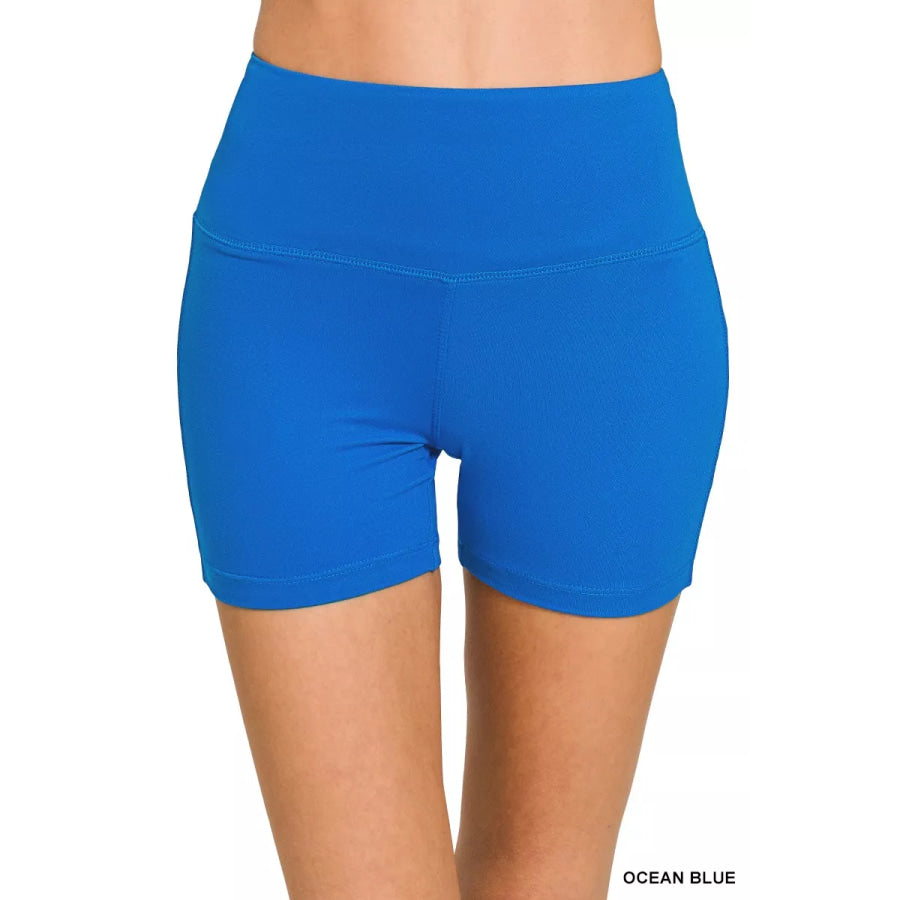
Fit affects breathability too. A wide waistband that sits flat distributes pressure and lets air move, while a tight elastic band traps heat. Our Brushed Microfiber Wide Waistband Biker Shorts use a brushed microfiber knit with a supportive wide band, which is the combination to look for when you want softness without a clammy feel.
Choosing Soft Fabric for Sensitive Skin
Soft fabric for sensitive skin should be smooth, low-friction and free from rough seams or scratchy labels. Texture matters more than fibre name alone, and for some wearers the issue is not skin reactivity at all but sensory processing, how the brain interprets touch.
A review published in the Textile Research Journal describes how clothing textiles absorb sweat and microbes, which can contribute to odour and bacterial colonisation. That is context, not a diagnosis: it simply explains why fabric performance deserves as much attention as softness.
For people who find seams, tags or tight waistbands distracting, the goal is fewer touch interruptions. The practical checklist is different from a skin-reactivity checklist:
- Run the inside seam against your inner wrist, the most reactive test patch you have.
- Look for flatlock or bonded seams rather than raised overlocked edges, which create ridges that press against the skin.
- Choose tagless labels or cut tags out entirely; a scratchy care label at the neck is a common trigger.
- Prefer wide, flat waistbands over narrow elastic, which concentrates pressure and can feel restrictive.
- Wash new pieces before the first wear to remove factory finishes and soften the hand-feel further.
- Avoid coarse, hairy weaves and heavy brushed surfaces that shed fibres; smoother knits are more predictable against the skin.
If your skin reacts easily, our guide to the best natural fabrics for sensitive skin goes further into fibre choices. If the issue is sensory rather than dermatological, prioritise seam construction and waistband design over fibre content, a smooth synthetic with flat seams will often feel better than a natural fibre with raised overlocking.
How to Wash Leggings So They Stay Soft
Wash soft leggings in cool water on a gentle cycle, and dry them on low heat or air-dry, following the care instructions on each product.
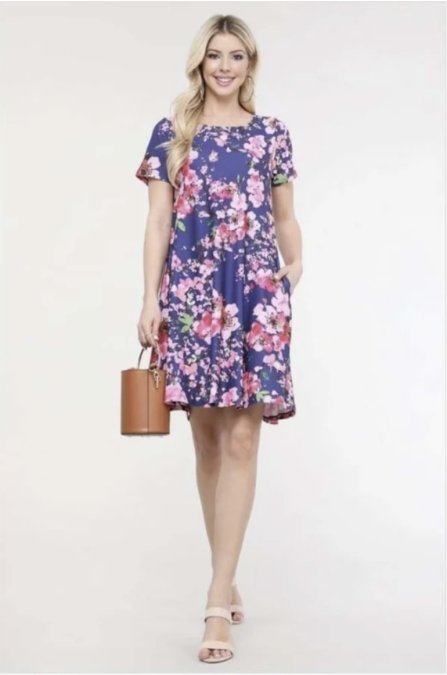
Yelete Buttery Soft Dress with Pockets - Cherry Blossom
Turn garments inside out before washing to protect the brushed surface. Use a mesh laundry bag to cut friction in the drum. Avoid the dryer's high setting, which can melt the fine fibres that create softness.
Watch out: fabric softener coats fibres and reduces moisture-wicking performance, so it works against the very qualities you paid for. For full instructions, follow our complete guide to washing buttery soft fabrics.
How to Prevent Fabric Pilling on Soft Knits
Prevent pilling by reducing friction: wash less often, wash inside out, and avoid washing soft knits with rough items like jeans or towels. Pilling is fibre tangling, not a sign of poor quality alone.
Soft, brushed fabrics pill more readily because short fibres work loose and ball up. Higher yarn density and tighter knit structure resist it better. Sort laundry by texture, not just colour.
A common mistake is reaching for a razor or scissors. A fabric shaver removes pills cleanly without cutting into the knit. Our focused guide on keeping buttery soft fabrics from pilling covers prevention and repair in detail.
The Buttery Soft Marketing Myth Worth Knowing
"Buttery soft" is a subjective description, not a regulated standard. No certification body verifies it, and any brand can print it on a label. That does not make the phrase meaningless, but it does mean you should test the claim rather than trust it.
A brushed or sandwashed finish can make a polyester-spandex blend feel soft, because brushing raises fine fibres that create a smooth surface. That surface is what your fingers read as softness, and it does not by itself describe breathability or how the fabric behaves after repeated washing.
How to test the claim before you buy:
- Read the composition label first. A blend that is mostly polyester with a small spandex component will feel smooth but may trap heat; a cotton or cellulose-rich blend usually breathes better.
- Check the knit density by holding the fabric up to light. If you can see through it easily, it will likely pill and lose shape faster.
- Look for a stated fabric weight or gsm (grams per square metre) where available. Heavier knits generally resist pilling better than light ones.
- Rub the surface gently with your thumb. If fibres lift immediately, the brushed finish is loose and will degrade faster.
- Ask how the garment should be washed. A brand that cannot tell you how to care for its soft fabric is not confident in its longevity.
The useful question is not "is it buttery soft?" but "what is it made of, how was it finished, and how do I care for it?" Composition and care instructions tell you more than any adjective. Softness alone does not establish durability, breathability or how a garment should be washed. Treat the phrase as a starting point for questions, not a guarantee.
Finding Buttery Soft Pieces That Fit Your Everyday
Choosing well means matching fabric to use. Loungewear wants breathability and stretch; everyday wear wants shape retention and pilling resistance. Buy for the job, then enjoy the softness.
Fabric type |
Feel |
Breathability |
Durability |
Best for |
|---|---|---|---|---|
Brushed polyester-spandex |
Smooth, peach-like |
Moderate |
Good with gentle care |
Leggings, biker shorts |
Cotton and cellulose blends |
Soft, cool |
High |
Moderate |
Everyday tees, loungewear |
Viscose-rich knits |
Fluid, drapey |
Moderate |
Needs careful washing |
Dresses, wide-leg pants |
Sandwashed synthetics |
Powdery, matte |
Moderate |
Good |
Casual separates |
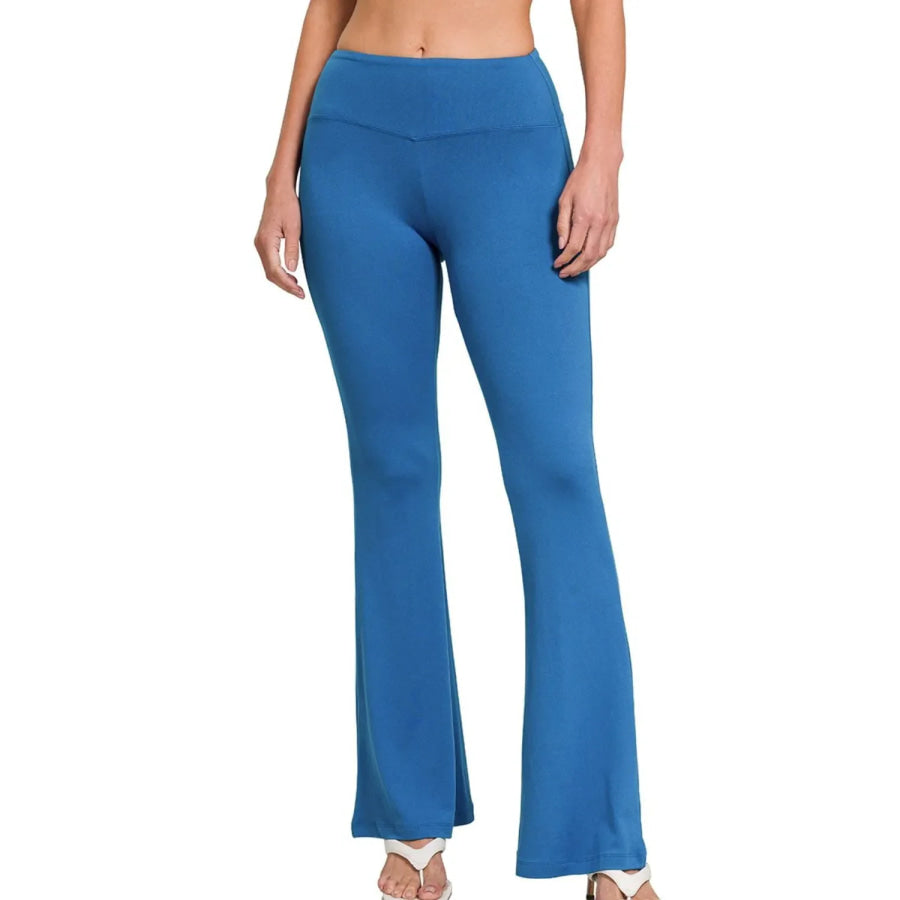
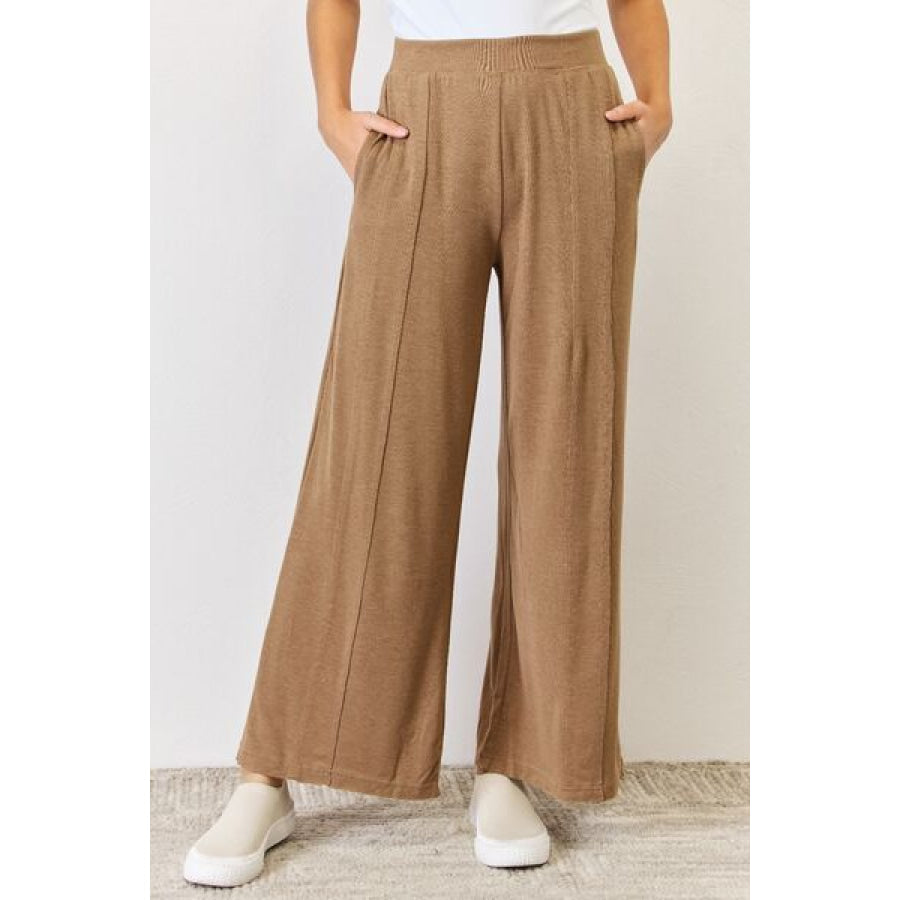
Our RISEN Ultra Soft Wide Leg Pants suit lounging and errands, while the Zenana Buttery Soft Flare Leg High Waist Yoga Pants offer a high-waisted option for movement. For something dressier, the Umgee Half Zip Mini Dress uses a buttery soft LUXEKNIT with generous stretch.
Sizing confidence matters as much as fabric. Our range is designed for women of all sizes, and our customer reviews reflect that: "The broad range of products and sizes she offers is amazing." If you are ready to feel the difference, our buttery soft lounge pyjama pants are an easy place to start, and shipping is free Australia wide.
Soft fabric is easy to promise and harder to deliver, especially once a garment has been through twenty washes. We choose buttery soft pieces with inclusive sizing, ethical production and the kind of construction that survives real life, then back them with personal service. Browse the Sandee Rain Boutique loungewear range to find your next everyday favourite, with free shipping Australia wide.
Frequently Asked Questions
What does buttery-soft fabric mean?
It describes a fabric hand-feel: smooth, low-friction and pliable against the skin, usually from fine yarns, a tight knit structure and a brushed or sandwashed finish. It is a sensory description rather than a technical standard, so two garments labelled the same way can feel very different. Check the textile composition and care label before you buy, because a brushed polyester and spandex blend behaves quite differently from a viscose-rich knit.
Is buttery-soft fabric suitable for sensitive skin?
Often, yes, because a smooth brushed surface creates less friction than a coarse weave. Fabric choice still matters, since textiles can absorb sweat and microbes. Look for breathable fabrics for loungewear with good moisture management, wash them after each wear, and patch test anything new if your skin reacts easily.
How do you stop soft fabric from pilling?
Turn garments inside out, wash cold on a gentle cycle with fewer items in the drum, and skip the dryer's high heat. Pilling comes from short fibres working loose and tangling, so reduced friction is the main defence. A fabric comb removes existing pills without cutting into the knit. Check pilling resistance when you buy: tighter knit structure and longer-staple fibres hold up better over repeated washes.
Is buttery-soft clothing breathable enough for everyday wear?
It depends on fibre and knit. A brushed microfiber blend with spandex stretches well but traps more heat than a viscose or cotton-rich knit, so it suits cooler days and low-intensity wear. For warm weather or all-day lounging, prioritise moisture-wicking and breathability over softness alone. Reading the composition label tells you more than the marketing copy ever will.


Leave a comment (all fields required)