



Last Updated: November 16, 2026
Quick Summary
Clothes pill after washing because the wash cycle creates friction: water loosens short surface fibres, the drum's tumbling rubs garments together, and those loose ends tangle into small firm balls. It is a normal reaction to agitation and abrasion, not a sign of bad manufacturing.
- Front loaders cause mainly garment-on-garment friction, while top loaders with a central agitator rub harder against soft knits.
- Wash knits inside out in cold water on a gentle cycle with a low spin to reduce abrasion.
- Skip fabric softener, which can coat and weaken fibres, and use less mild detergent to avoid residue.
- Remove pills with a fabric shaver, testing first on an inside seam and keeping the tool moving.
- New garments may pill in the first two or three washes as surplus surface fibres work free, then settle.
Table of Contents
- Why Do Clothes Pill After Washing?
- What Pilling Actually Is
- Why the Wash Cycle Triggers It
- How to Prevent Pilling on Clothes Before the Damage Starts
- Washer Settings and Load Habits That Cause Pilling
- The Best Way to Wash Fleece Without Pills
- How to Remove Pilling from Clothes
- Telling Pills Apart from Lint, Snags and Fabric Damage
- Which Fabrics Pill Most, and When It Is Unavoidable
- Keeping Your Sandee Rain Pieces Soft for Longer
- Frequently Asked Questions
Why Do Clothes Pill After Washing?
If you have pulled a favourite knit from the machine covered in tiny fuzzy balls, you are not alone. Why do clothes pill after washing?
Pilling happens when loose surface fibres tangle during the wash cycle. The drum's tumbling rubs fibres against each other, and short broken threads roll into little balls.
Below, we explain what causes it, how to prevent pilling on clothes, and how to remove pills once they appear.
What Pilling Actually Is
Fabric pilling is the formation of small fibre balls on the surface of a garment, caused by friction and abrasion during wear or washing. Loose fibres work their way up from the fabric, tangle with neighbours, and form tiny knots called pills.
Three things feed pilling:
- Short fibres that break free easily from the yarn
- Friction from rubbing against other fabrics or your body
- Moisture and heat that loosen the fibre structure
Many people assume pills mean cheap fabric. That is often untrue. A soft, loosely spun knit can pill simply because its fibres are free to move. Dense, tightly woven fabrics resist it better.
Why the Wash Cycle Triggers It
The washing machine is a pilling machine by accident: the drum turns, clothes rub together, water loosens surface fibres, and the spin cycle presses everything tight.
Here is what happens step by step:
- Wetting and swelling. Water softens the yarn and swells fibres, pushing short ends further out from the surface.
- Agitation and abrasion. The drum or agitator rubs garments against each other and the drum wall, transferring loose fibre ends onto neighbours.
- Fibre migration and tangling. Loose ends wrap around each other and anchor fibres, forming knots that become pills. More items means more contact points and faster pilling.
- Spin and compression. The spin cycle presses tangles flat, so pills look firm rather than fluffy.
- Heat setting. Warm or hot water, and especially a heated dryer, shrinks and mats the structure so pills lock in place.
Why the Same Garment Pills After One Wash and Not Another
Pilling often appears suddenly after a change the reader did not connect to laundry. Before you blame the fabric, check whether any of these changed recently:
- Load composition. Jeans, towels, zips or hook-and-loop fastenings add abrasion. Towels are especially bad because their loops shed fibres onto everything.
- Load size. An overfilled drum forces constant contact; an underfilled one lets garments tumble against the drum wall. Both increase friction.
- Cycle and spin speed. A normal cycle with a fast final spin is far rougher than a gentle cycle with low spin.
Watch out: if pilling appears only on the areas that rub during wear, underarms, cuffs, the seat of trousers, the wash cycle is amplifying a problem that started with normal wear, and changing laundry habits alone will not stop it.
Washer Type Matters
Front loaders tumble garments through a shallow pool, so friction is mainly garment-on-garment. Top loaders with a central agitator add a mechanical rub against a hard surface, harsher on soft knits. High-efficiency machines use less water, so detergent concentration is higher and residue more likely if you dose for a traditional machine. Whatever the type, the levers are the same: cooler water, gentler agitation, lower spin, looser loads.
How to Prevent Pilling on Clothes Before the Damage Starts
Prevention starts before the machine. A few small habits make a real difference to how to prevent pilling on clothes over their lifetime.
Sort Loads by Fabric, Not Colour Alone
Most of us sort by colour. That is only half the job. Mixed loads are a leading cause of abrasion, because heavy items like jeans grind against delicate knits.
Try this instead:
- Wash knits and delicates together, away from zips and denim
- Keep towels separate; their loops shed fibres onto everything
- Group by weight, not just shade
Turn Garments Inside Out and Bag the Delicates
Turning garments inside out is the simplest protection you can give a knit: the outer surface faces inward and avoids the worst rubbing.
Check the garment care label first. If it says hand wash, trust it.
Washer Settings and Load Habits That Cause Pilling
Your washer settings do more damage than most people realise. A normal cycle with a fast spin is rough on soft fabric.
The Troubleshooting Checklist
Use this checklist next time you load the machine:
- Set the cycle to gentle or delicate
- Choose cold water, not warm
- Lower the spin speed to medium or low
A quick note on detergent: more is not better. Excess soap leaves residue that traps loose fibres and makes pilling worse.
The Best Way to Wash Fleece Without Pills
Fleece needs special handling. Its brushed surface is soft, but that same surface is quick to pill if treated roughly. The best way to wash fleece is short, cool and gentle.
Follow these steps:
- Wash fleece inside out in cold water
- Use the gentle cycle with a low spin
- Skip fabric softener entirely; it clogs the fleece pile
High heat is fleece's enemy. It melts and mats the fibres, and matted fleece pills faster. If you must use the dryer, choose the lowest heat setting and pull the item out slightly damp.
How to Remove Pilling from Clothes
Once pills form, you can remove them. Learning how to remove pilling from clothes is easier than most people expect, and it restores a garment's smooth look.
Start with a fabric shaver for clothes. These small electric tools have a rotating blade behind a guard. Run it gently over the pilled area in small circles.
For light pilling, a lint roller or fine-toothed comb works well.
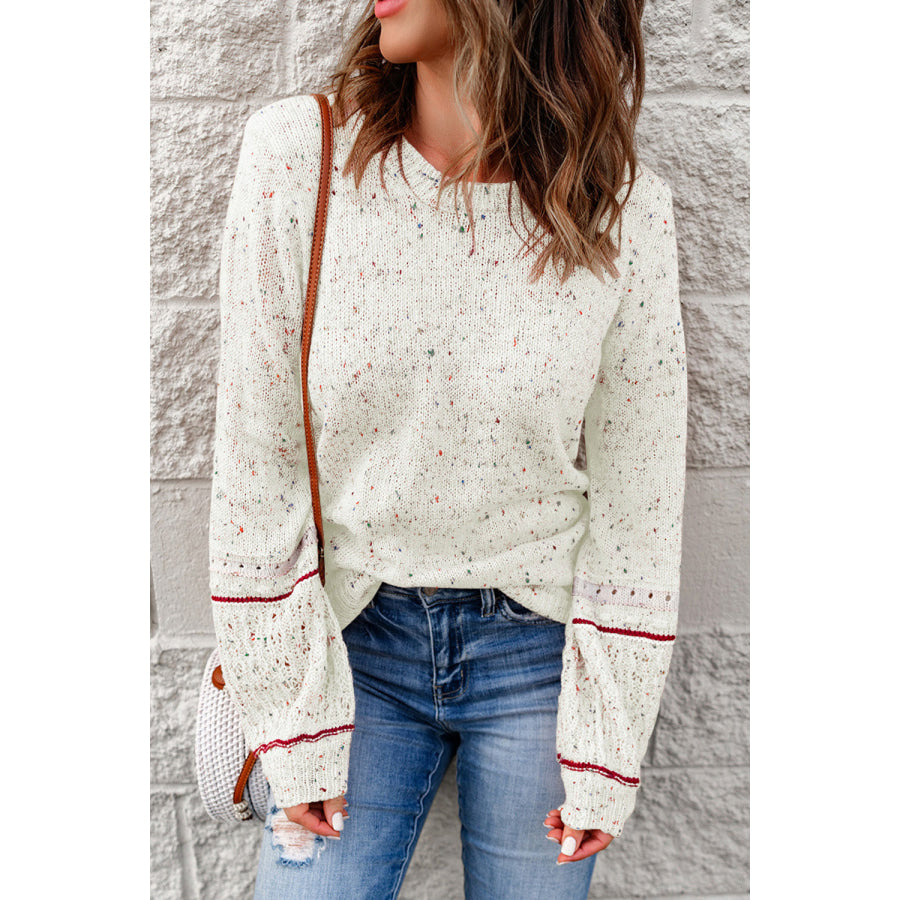
If a soft knit has already seen better days, you may simply want a fresh piece. Our pilling detail round neck long sleeve sweater is a cosy option for cooler days.
Choosing a Fabric Shaver for Clothes
Not all fabric shavers are equal. Look for these features:
- Adjustable blade height to match the fabric
- A safety guard to protect thin knits
- A removable lint compartment for easy cleaning
Test on an inside seam first. Go slow, and keep the shaver moving. Holding it in one spot can cut into the fabric.
Telling Pills Apart from Lint, Snags and Fabric Damage
Not every fuzzy patch is pilling. It helps to know the difference before you treat it.
| Problem | What It Looks Like | Cause | Fix |
|---|---|---|---|
| Pilling | Small round balls on the surface | Friction and loose fibres | Fabric shaver |
| Lint | Fine fuzz, no firm balls | Shedding fibres | Lint roller |
| Snag | A pulled thread loop | Sharp edges or jewellery | Pull thread to the back |
| Damage | Thin spots or holes | Wear or moths | Repair or replace |
Pills feel firm and roll between your fingers. Lint brushes away easily. Snags are single threads pulled out of place. Damage means the fabric itself is worn through.
Which Fabrics Pill Most, and When It Is Unavoidable
Pilling is often treated as a fabric-type question, but construction matters too. Three construction factors cut across fibre types, which is why two cotton jumpers can behave completely differently.
The Three Factors That Actually Drive Pilling
- Fibre length. Long-staple fibres (such as long-staple cotton or merino wool) have fewer loose ends to escape the yarn, so they pill slowly. Short fibres break free easily and migrate to the surface. This is why a cheap short-staple cotton knit can pill faster than a more expensive long-staple one of the same fibre.
- Yarn twist and construction. Tightly twisted yarns hold their fibres in place; loosely spun yarns, common in soft lofty knits, leave fibres free to move. A loose knit with a brushed or raised surface is the highest-risk construction regardless of fibre.
- Blend ratio. Blends can be worse than either fibre alone. A synthetic fibre is strong and does not break, so when it tangles with a weaker natural fibre, the pill stays anchored to the fabric instead of shedding. A high-synthetic blend in a loose knit is a classic fast-pilling combination.
Practical Risk Levels by Fabric
Higher risk:
- Loosely spun wool and wool blends
- Acrylic and polyester knits, especially brushed or fleece-back styles
- Short-staple cotton blends
Moderate risk:
- Mid-weight cotton knits
- Viscose and modal blends
- Soft synthetic jersey
Lower risk:
- Tightly woven cotton and canvas
- Denim
- Linen
Natural and synthetic fibres fail differently. Synthetics are strong, so their pills cling on and look worse for longer. Natural fibres like wool shed pills more easily, but they form faster because the fibres are shorter and more mobile.
How to Judge Whether a Garment Will Pill
You can assess risk before you buy, without any special equipment:
- Hold it to the light. A fabric you can see through easily is loosely constructed and more likely to pill.
- Rub the surface gently. If fibres lift and fuzz immediately under light friction, they will do the same in the wash.
- Check the label for fibre content and blend ratio. A high proportion of short-staple natural fibre mixed with synthetic is a warning sign in a soft knit.
When Pilling Is Unavoidable
Some pilling is normal and not a defect.
If a garment pills heavily across the whole surface within one or two washes despite gentle care, the fabric construction may be the main cause rather than the laundry routine.
That does not mean it is poor quality. It means the fabric is doing what soft fabric does, and knowing that helps you choose care and removal methods that suit the garment rather than fighting it.
Keeping Your Sandee Rain Pieces Soft for Longer
Soft fabric deserves soft care. At Sandee Rain Boutique, we design our pieces for comfort, and a little care helps keep them feeling lovely wash after wash.
Our tips for long-lasting softness:
- Wash cold, always
- Use a laundry bag for knits
- Air dry where possible
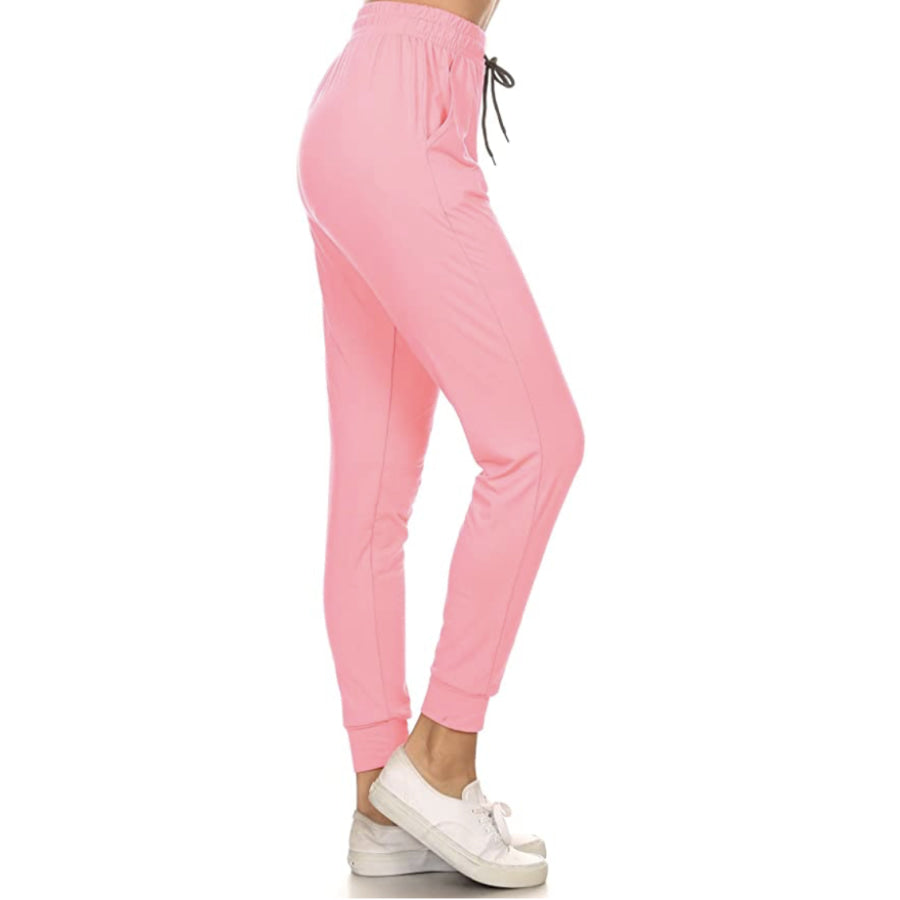
If you love everyday comfort, our stylish loungewear guide has more ideas for building a soft, easy wardrobe. And for low-pill everyday pieces, our buttery soft joggers are a customer favourite, and with free shipping Australia wide, stocking up on soft essentials is easy.
Have a question about caring for a specific piece? Our team is happy to help. We pride ourselves on personal service, with 813 reviews and a 96% positive rating.
Pilling does not have to ruin your favourite knits.
Frequently Asked Questions
Why do clothes pill after washing?
Washing adds friction and moisture that loosens short surface fibres, which then tangle into small balls. The washer drum, other garments and the spin cycle all rub against the fabric. Loose fibres work free, knot together and stay attached to the surface as pills. Blended fabrics and looser knits are more prone because their short fibres escape the yarn structure more easily than long, tightly spun fibres.
Does washing clothes inside out prevent pilling?
Turning garments inside out helps but does not stop pilling completely. It moves the abrasion to the inner surface, so the visible face of the fabric stays smoother for longer. Pair it with a mesh laundry bag, a cold gentle cycle and a low spin speed for the best result. It is one of the simplest habits in any plan for how to prevent pilling on clothes, and it costs nothing.
Can fabric pilling be removed once it appears?
Yes. A fabric shaver for clothes is the quickest method: lay the garment flat, stretch the area gently and run the shaver in short strokes. A lint roller or a fine-toothed comb works for small patches. Never pull pills off by hand, because that drags more fibres loose. Removing pills does not repair the fabric, so keep up the prevention habits to slow new ones forming.
Which fabrics are most likely to pill?
Knitted wool, acrylic, polyester and cotton-polyester blends pill most, especially when the fibres are short. Loose knits and brushed fabrics such as fleece are also high risk. Tightly woven long-staple cotton and linen pill far less. Checking the care label and fibre content before you buy tells you more about pilling risk than the price tag does.


Leave a comment (all fields required)