



Table of Contents
- What Is Fabric Pilling and Why Buttery Soft Fabrics Are Vulnerable
- Why Do Leggings Pill Between the Thighs and Other High-Friction Areas
- Best Way to Wash Fleece Lined Leggings Without Causing Damage
- Drying Techniques That Prevent Pilling
- How to Remove Pilling from Clothes Safely
- Common Mistakes to Avoid When Caring for Buttery Soft Fabrics
- Frequently Asked Questions
Last Updated: August 31, 2026
What Is Fabric Pilling and Why Buttery Soft Fabrics Are Vulnerable
Fabric pilling occurs when fibres on the surface of a garment break and tangle together, forming small balls of fuzzy material. This happens most commonly with buttery soft fabrics, typically made from synthetic blends like polyester and spandex.
Buttery soft fabrics achieve their signature comfort through a brushed or napped finish that raises the fibres on the surface. While this creates that irresistible silky feel, it makes fibres more vulnerable to fibre breakage. When loose fibres rub against each other or external surfaces, they tangle together and form pills instead of shedding cleanly.
Synthetic fibres have a lower twist factor than natural fibres like wool or cotton, meaning individual fibres aren't tightly wound together. This makes them more susceptible to coming loose and entangling. The cover factor, how densely fibres are packed in the fabric, also influences pilling risk. Loosely woven fabrics with lower cover factors experience more surface fuzz because the structure allows fibres to move freely.
Why Do Leggings Pill Between the Thighs and Other High-Friction Areas
Pilling concentrates in specific spots due to abrasion and friction. The area between your thighs is ground zero for this damage. When you wear leggings, that inner-thigh area experiences constant rubbing from leg movement, sitting, and walking. This repetitive friction causes fibre entanglement as loose fibres tangle together. Other high-friction zones include underarm areas, the seat of leggings, and anywhere two fabric surfaces rub together regularly.
Static electricity compounds the problem. Synthetic fibres generate static as they rub together, causing loose fibres to cling to the fabric surface rather than shedding cleanly. The fibres then knot up, forming visible pills.
Buttery soft fabrics like suffer more in these areas because the brushed finish means individual fibres stick up from the surface, making them easier targets for friction. Once a few fibres break, they create a weak point that accelerates further breakage nearby.
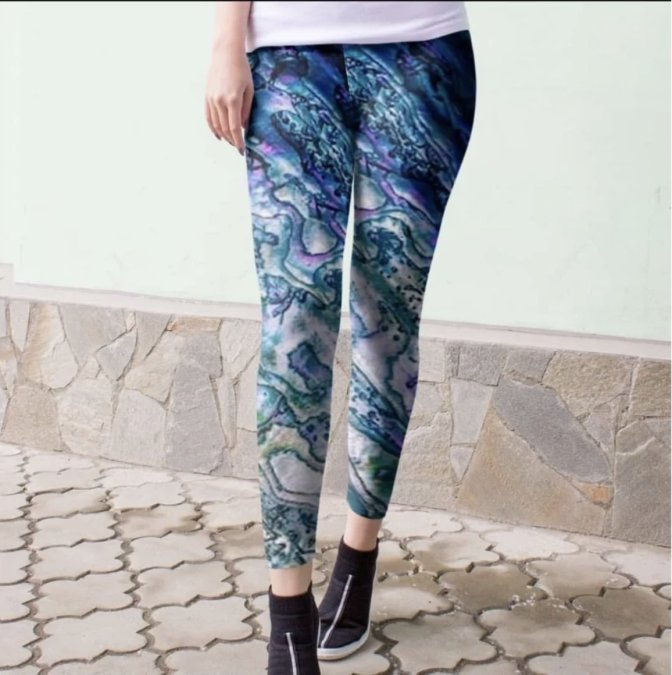
Custom Abalone Print Leggings in Full and Capri Lengths
Best Way to Wash Fleece Lined Leggings Without Causing Damage
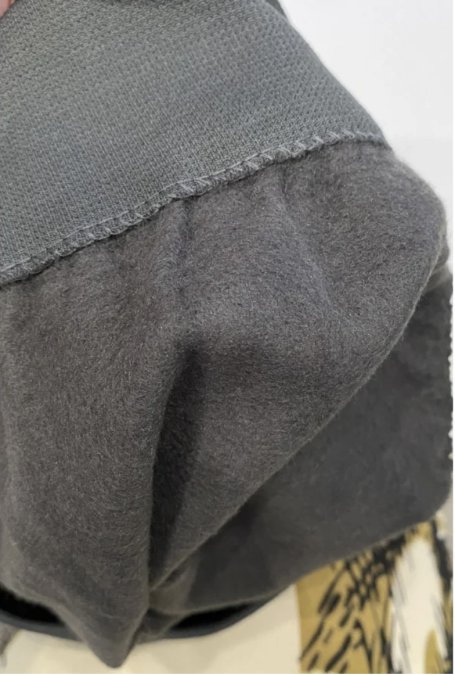
Most damage happens during the washing process itself, not during wear. By following these steps, you'll dramatically reduce pilling and keep your pieces soft and smooth.
Step 1: Sort by Fabric Type and Colour
Separate buttery soft fabrics from rougher materials like denim, towels, or heavy knits. These coarser fabrics create friction that damages delicate synthetic blends. Check all pockets and remove any items that could snag or create friction.
Step 2: Use Laundry Mesh Bags for Delicate Garments
Laundry mesh bags are your secret weapon against pilling. These protective barriers reduce direct contact between your garments and the washing machine drum. Place each piece inside its own mesh bag without overstuffing. The bag allows water and detergent to circulate while shielding the fabric from mechanical action.
Step 3: Turn Garments Inside Out Before Washing
Turning your buttery soft garments inside out before placing them in the mesh bag adds another protective layer. The inside of the fabric is typically less prone to pilling because it hasn't been brushed or napped. By washing the inside-facing outward, you expose the more durable interior surface to the washing machine action.
Step 4: Choose the Gentle Cycle with Cold Water
Use your washing machine's gentle cycle every time you wash buttery soft materials. The gentle cycle uses slower drum rotation and shorter wash times, reducing friction and fibre breakage.
Cold water is equally important. Hot water weakens synthetic fibres and increases static electricity, both contributing to pilling. Cold water also prevents colour fading and preserves the fabric's softness over time.
Step 5: Avoid Fabric Softener Overuse and Detergent Residue
Fabric softeners and excessive detergent don't prevent pilling; they make it worse. Fabric softener leaves a coating that makes fibres more prone to entanglement and static. Detergent residue creates a sticky surface that traps loose fibres.
Use half the recommended amount of mild, fragrance-free detergent. If you've been using fabric softener, stop immediately. Your garments will feel just as soft without it and will last significantly longer.
Drying Techniques That Prevent Pilling
How you dry your buttery soft garments matters just as much as how you wash them.
Air Drying Versus Tumble Drying
Air drying is the gold standard for buttery soft fabrics. Lay your garments flat on a clean towel or hang them on a drying rack away from direct sunlight and heat sources. Air drying eliminates the mechanical friction of the tumble dryer entirely.
If you must use a tumble dryer, use the lowest heat setting and remove garments while still slightly damp. Never leave buttery soft garments in the dryer after the cycle ends; residual heat continues creating friction.
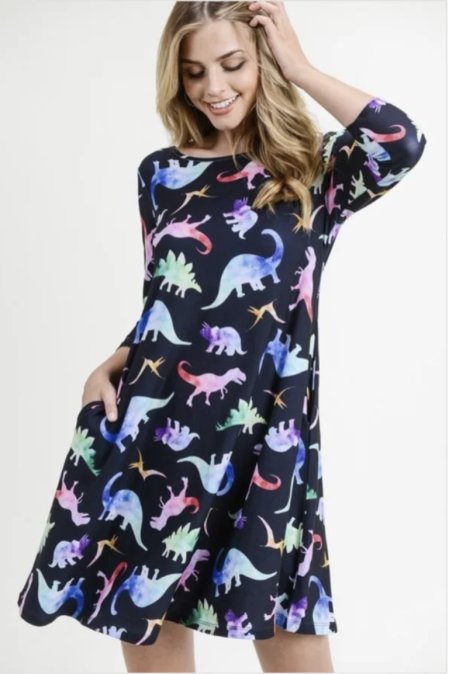
Shop Buttery Soft Pocket Dresses →
Proper Storage to Avoid Friction
Fold rather than hang whenever possible; hanging can create stress points and encourage pilling. Store items in a drawer with adequate space. Overcrowding creates friction as garments rub together. Keep storage areas cool and dry, away from heaters, radiators, or direct sunlight.
How to Remove Pilling from Clothes Safely
If pilling has already occurred, you can safely remove it and restore your garments to their original appearance.
Using a Fabric Shaver or Lint Brush
A fabric shaver is an effective tool for removing pilling. These battery-operated devices have a small rotating head that gently lifts and cuts away pills without damaging the underlying fabric. Hold the shaver flat against the surface and move it slowly across the pilled area.
For smaller areas or lighter pilling, a lint brush works well. Use firm but gentle strokes in one direction. Never pick at pills with your fingers or use sharp objects like razors or scissors, as this damages the underlying fabric.
When to Stop and Accept Wear
If the pilled area feels thin or weak, the underlying fabric has been compromised. Continuing to remove pills at this stage will create holes. Severe, widespread pilling across large areas suggests the fabric has reached the end of its useful life. Minor pilling on a relatively new garment is completely normal and easily managed with a fabric shaver every few months.
Common Mistakes to Avoid When Caring for Buttery Soft Fabrics
Overloading the Washing Machine
Cramming too many clothes into one wash cycle causes pilling. When the drum is overstuffed, garments rub against each other constantly, creating the friction that causes pilling. Fill your washing machine only about three-quarters full.
Using Hot Water and Harsh Detergents
Hot water weakens synthetic fibres and accelerates pilling. It also increases static electricity, making loose fibres cling together and tangle. Stick with cold water and gentle, fragrance-free detergents formulated for delicate fabrics.
Ignoring Care Labels
Every buttery soft garment comes with care instructions based on its specific fibre composition and construction. Most buttery soft fabrics specify gentle cycle, cold water, and air drying. Following these instructions preserves the garment and maintains any warranty.
Keeping your buttery soft fabrics looking pristine requires intention, but the effort pays off. These garments are designed to last years when cared for properly, delivering comfort and style through countless wears and washes.
The techniques we've covered, mesh bags, inside-out washing, gentle cycles, cold water, and proper drying, work together to eliminate the friction and stress that cause pilling. Implement even a few of these strategies and you'll notice the difference immediately.
At Sandee Rain Boutique, we've built our reputation on creating garments that stay soft and beautiful. Our buttery soft fabrics are engineered to resist pilling, but they still need proper care to perform at their best. When you invest in quality pieces like our Classic Cherries Leggings or Buttery Soft Midi Dress, protecting that investment through correct washing and storage makes complete sense.
Ready to experience the difference that proper fabric care makes? Shop our collection of buttery soft pieces at Sandee Rain Boutique and discover why our customers return for more. Your favourite leggings and dresses will thank you. 💚
Frequently Asked Questions
Q: What fabric is worst for pilling?
A: Synthetic fibres and blends, particularly polyester and nylon, are most prone to pilling. Buttery soft fabrics typically contain 90–95% polyester with spandex, making them vulnerable to surface fuzz and fibre breakage during wear and washing. Natural fibres like 100% cotton can also pill, but synthetic blends pill more frequently due to their fibre structure and lower fibre length, which causes entanglement and bobbling.
Q: Does pilling mean my buttery soft fabric is poor quality?
A: Not necessarily. Pilling is a natural result of friction and abrasion, especially in high-wear areas like between the thighs on leggings. Even premium buttery soft fabrics will pill if exposed to repeated friction or washed incorrectly. Quality is determined by fibre composition, construction, and care rather than the absence of pilling. Proper washing technique, gentle drying, and reduced friction during wear significantly extend the life of your garments.
Q: How should I wash buttery soft leggings to prevent damage?
A: Wash in cold water on a gentle cycle, turning garments inside out and using a mesh laundry bag to reduce friction. Avoid fabric softener, which can leave residue and weaken fibres. Use a mild detergent and don't overload the machine. Air dry by hanging or laying flat rather than tumble drying, which creates abrasion. Store folded or rolled rather than hanging to prevent friction-related pilling during storage.
Q: Can you fix pilled fabric once it starts?
A: Yes, you can remove existing pills safely using a fabric shaver or lint brush designed for delicate garments. Gently glide the shaver across the surface in one direction. However, prevention is far more effective than removal. Once pilling begins, it signals that fibres are breaking down, so focus on improving your washing and wearing habits to slow future pilling. Excessive removal can damage the fabric underneath.


Leave a comment (all fields required)