



Table of Contents
- The Real Price of Fast Fashion's Convenience
- Fair Wages and Ethical Labour Practices
- Sustainable Raw Materials and Their True Cost
- Understanding Cost-Per-Wear Calculation
- Quality, Durability and Planned Obsolescence
- How to Build a Sustainable Wardrobe Without Breaking the Bank
- Ethical Clothing Brands in 2026
- Frequently Asked Questions
Last Updated: August 29, 2026
Why Ethical Fashion Costs More Than Fast Fashion
When you're browsing for a new wardrobe staple, the price difference between ethical fashion and fast fashion can feel jarring. A simple cotton t-shirt from an ethical brand might cost three times what you'd pay at a high-street chain. That sticker shock is real, and it's worth understanding what's actually behind those numbers.
The truth is, ethical fashion costs more because it's built on fundamentally different values and practices. At Sandee Rain Boutique, we've chosen to prioritise sustainable production, fair wages, and quality materials, and we're transparent about why that choice matters. This guide breaks down exactly where that price difference comes from, and why looking at cost-per-wear changes the entire conversation about value.
The Real Price of Fast Fashion's Convenience
Fast fashion thrives on a simple formula: produce massive quantities, keep prices low, and move inventory quickly. That model works because the true costs are hidden or pushed onto workers, communities, and the environment.
When a garment costs a low amount, you're not paying for the actual cost of making it well. You're paying for the convenience of fast delivery, the marketing that convinced you to buy it, and the razor-thin profit margins that only work at enormous scale. The real expenses, fair wages, safe working conditions, quality materials, environmental cleanup, are either minimised or externalised entirely.
This is where the comparison gets interesting. Fast fashion's low price tag isn't a sign of efficiency; it's a sign of costs being absorbed elsewhere. Workers in garment factories across South Asia often earn very low wages. Environmental damage from synthetic fibres and chemical dyes isn't reflected in your receipt. The durability gap means you'll replace that shirt far more often than you'd replace an ethical alternative.
The convenience is real, though. Fast fashion offers instant gratification. You see it, you buy it, it arrives quickly. That speed and accessibility come with a cost, just not one you see at checkout.
Fair Wages and Ethical Labour Practices
This is often the most significant driver of price difference. Ethical brands commit to paying garment workers a living wage, not just the legal minimum.
A living wage in most garment-producing countries is roughly two to three times the legal minimum wage. That difference scales across entire production runs.
When you buy from an ethical brand, you're funding better working conditions: proper ventilation, reasonable hours, safe equipment, and workers who can actually afford to live on what they earn. These aren't luxuries, they're basic human standards that cost money to implement.
Red Boho Floral Print Lettuce Trim ¾ Sleeve Mini Dress

Beyond wages, ethical production means investment in worker safety and development. That includes proper training, protective equipment, and pathways for career advancement. It means factories aren't racing to meet impossible deadlines that force long shifts.
Fast fashion achieves its price point partly by accepting high worker turnover and minimal training investment. Ethical brands accept that better-treated workers are more skilled, produce higher-quality garments, and stay longer, all of which adds cost upfront but improves the final product.
Sustainable Raw Materials and Their True Cost
The materials themselves tell a revealing story. Ethical brands typically use organic cotton, linen, hemp, or other sustainably sourced fibres. Fast fashion relies heavily on conventional cotton and synthetic materials like polyester.
Conventional cotton is cheap partly because it externalises environmental costs. Growing it requires intensive pesticide use, enormous water consumption, and often depletes soil. Those environmental damages aren't baked into the price, they're absorbed by communities and ecosystems. Organic cotton costs more because it's grown without synthetic pesticides, uses less water, and builds soil health rather than degrading it.
Synthetic materials like polyester are petroleum-based and cheap to produce, but they shed microplastics throughout their lifecycle. That cost, ocean pollution, microplastic accumulation in human bodies, cleanup efforts, isn't reflected in the garment's price tag. It's a hidden cost that everyone pays eventually.
Ethical brands often invest in materials with transparent supply chains. You can trace where the cotton was grown, who processed it, and what certifications it holds. That traceability costs money. It requires documentation, auditing, and relationships with suppliers who meet strict standards.
The price difference for materials alone can be significantly higher for ethical options. Multiply that across a production run, and the material cost becomes substantial.
Understanding Cost-Per-Wear Calculation
Here's where the pricing narrative shifts entirely. Instead of comparing the upfront price of two garments, compare the cost per time you actually wear them.
Cost-per-wear is simple maths: divide the garment's price by the number of times you'll wear it before it's no longer wearable.
Let's say you buy a fast-fashion t-shirt for a low price that lasts 15 wears before it pills, shrinks, or fades. An ethical brand's t-shirt costs more but lasts 200 wears.
Over the lifespan of both garments, you've actually spent less money on the ethical option, and you've worn it far more often. You've also avoided the environmental and social costs of replacing the fast-fashion shirt multiple times to get the same number of wears.
This calculation transforms the conversation. Ethical fashion isn't a luxury for people with unlimited budgets; it's a smarter investment for people who want to spend less overall.
Most ethical brands use higher-quality construction: reinforced seams, better-grade elastic, premium finishes. These details cost more upfront but dramatically extend garment life. A well-made seam won't split after many washes. Quality zips don't jam. Premium fabrics don't pill after a few wears.
Fast fashion's durability is often deliberately limited. Seams are single-stitched. Fabrics are thin. Elastic degrades quickly. This isn't accidental, it's designed to encourage repeat purchases.
Quality, Durability and Planned Obsolescence
Planned obsolescence is the practice of designing products to have a limited useful life, forcing replacement. In fast fashion, it's everywhere.
Garments are designed with trends in mind, not timelessness. Seams are constructed to fail after a certain number of washes. Fabrics are chosen for initial softness, not longevity. Colours are dyed with processes that fade quickly. The goal is to make you feel like you need to buy again soon.
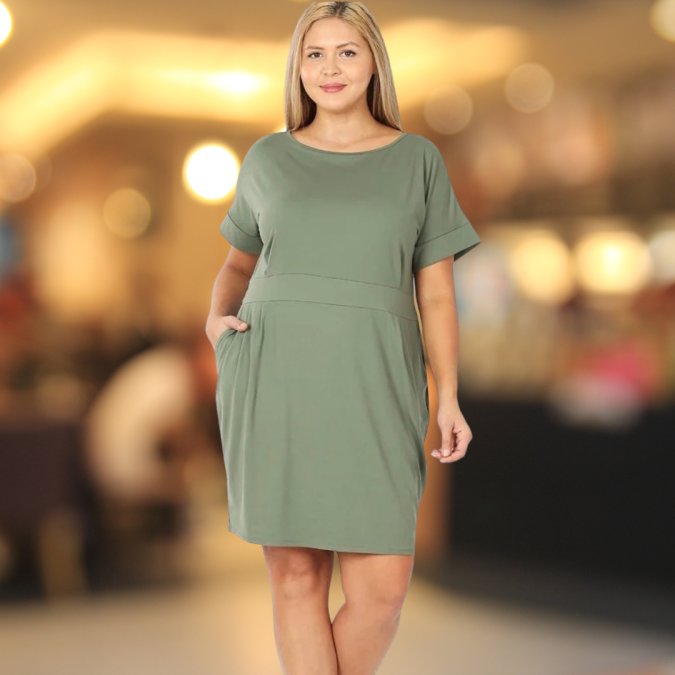
Zenana Tie-Belt Dress with Pockets
Ethical brands take the opposite approach. They design for longevity. A well-made piece should be wearable for years, ideally decades. That means investing in better construction techniques, higher-quality materials, and timeless designs that won't feel dated in six months.
This longevity costs money. Better stitching techniques require more skilled labour. Premium fabrics cost more per metre. Timeless design requires deeper thinking than following trend forecasts. But the result is a garment that holds its value, both functionally and aesthetically.
Quality also means repairability. An ethical brand's garment can often be mended: a seam can be re-stitched, a zip can be replaced, a hem can be adjusted. Fast fashion is often designed to be discarded rather than repaired. The construction doesn't support repairs, and the garment's low cost makes replacement seem easier than fixing.
The environmental impact of planned obsolescence is staggering. The fashion industry generates millions of tonnes of textile waste annually. Most of that comes from garments that were discarded while still functionally wearable. They were simply no longer fashionable or had minor damage.
Ethical fashion addresses this by creating pieces that remain desirable and functional over years. You're not just paying for a garment; you're paying to keep it out of landfill.
How to Build a Sustainable Wardrobe Without Breaking the Bank
You don't need to overhaul your entire wardrobe overnight or spend a fortune. Building an ethical wardrobe is a gradual process that actually saves money over time.
Start by assessing what you already own. Look for pieces you've worn repeatedly, those are your baseline. They show you what styles, colours, and fits work for your life. Build around those foundations rather than chasing trends.
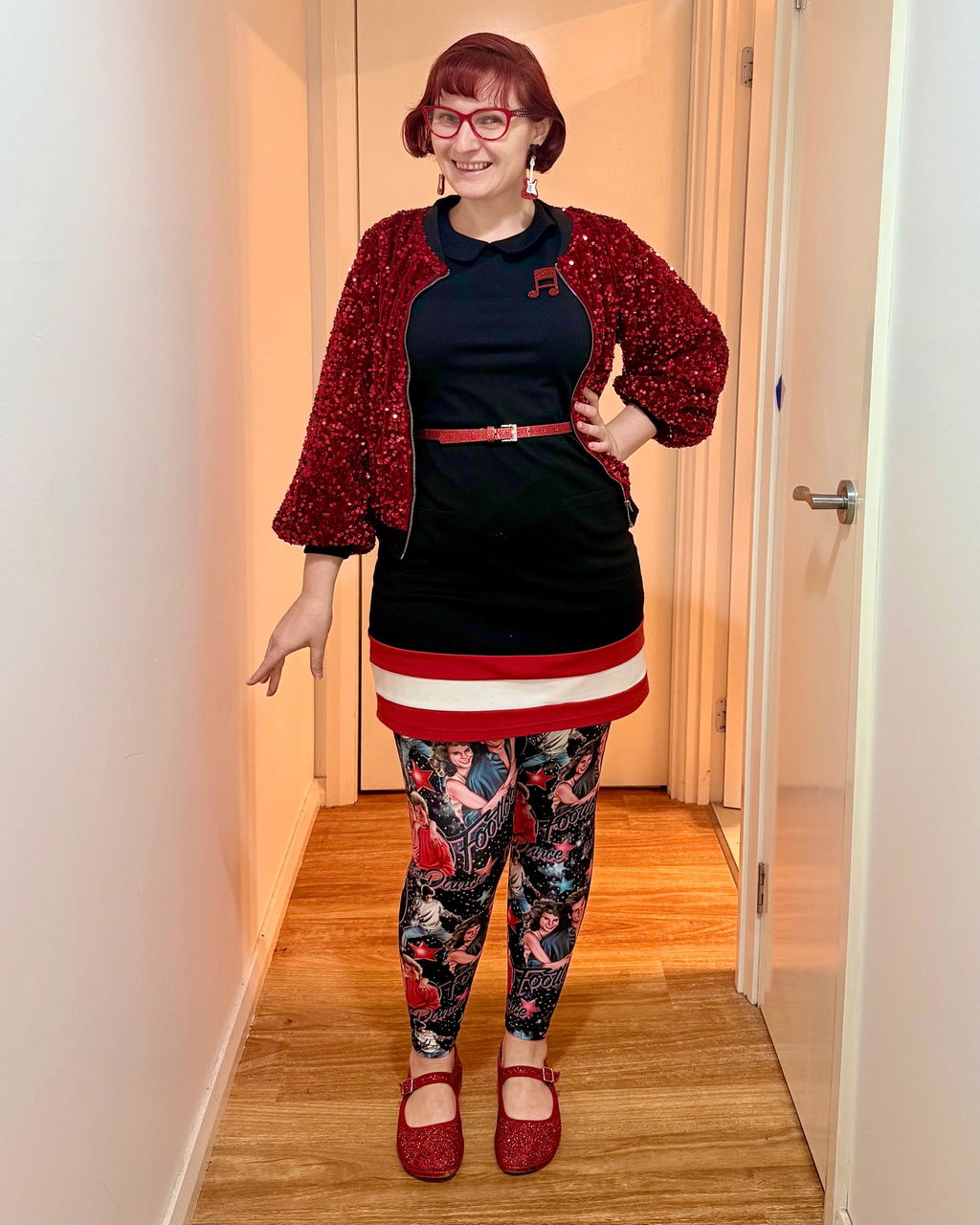
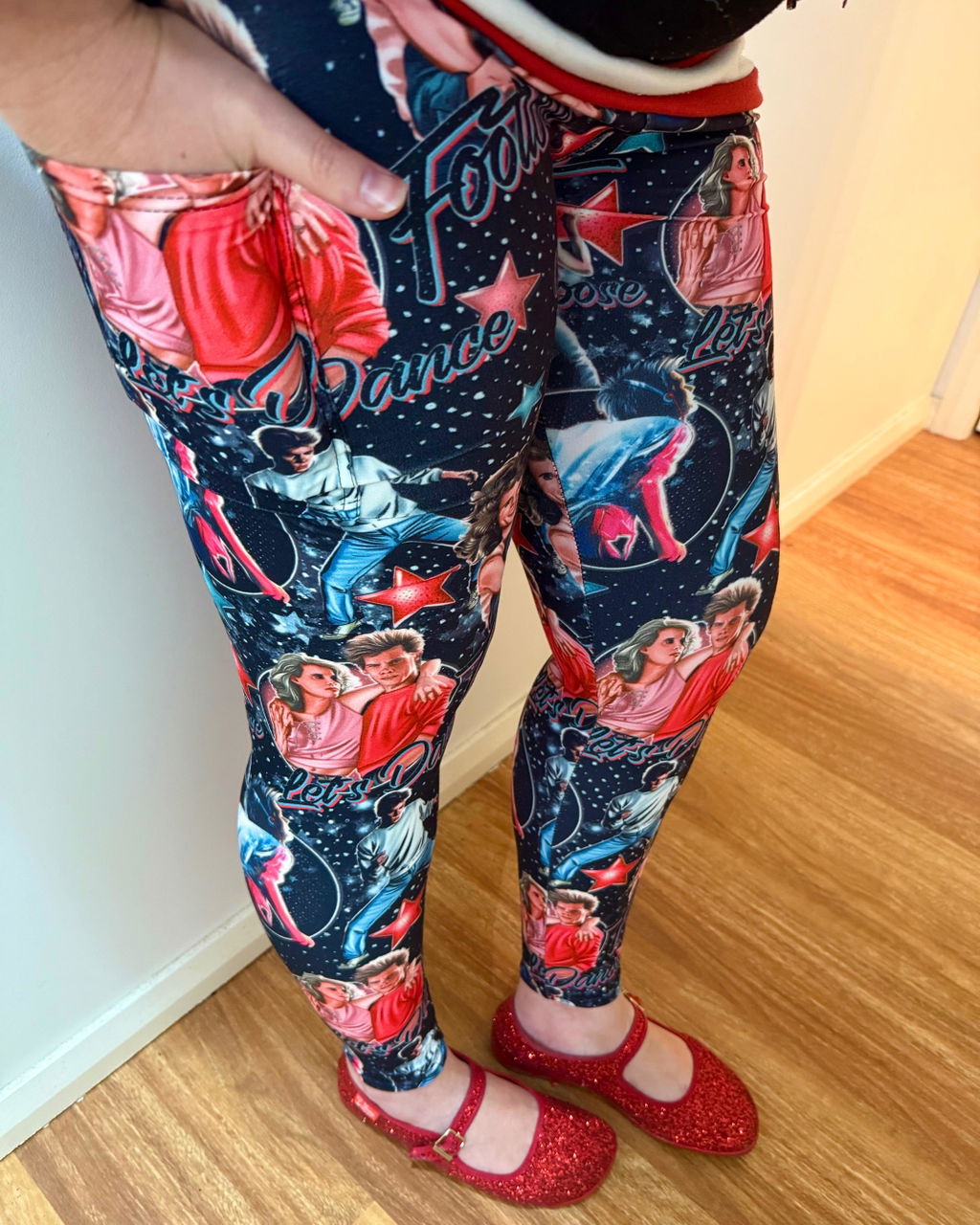
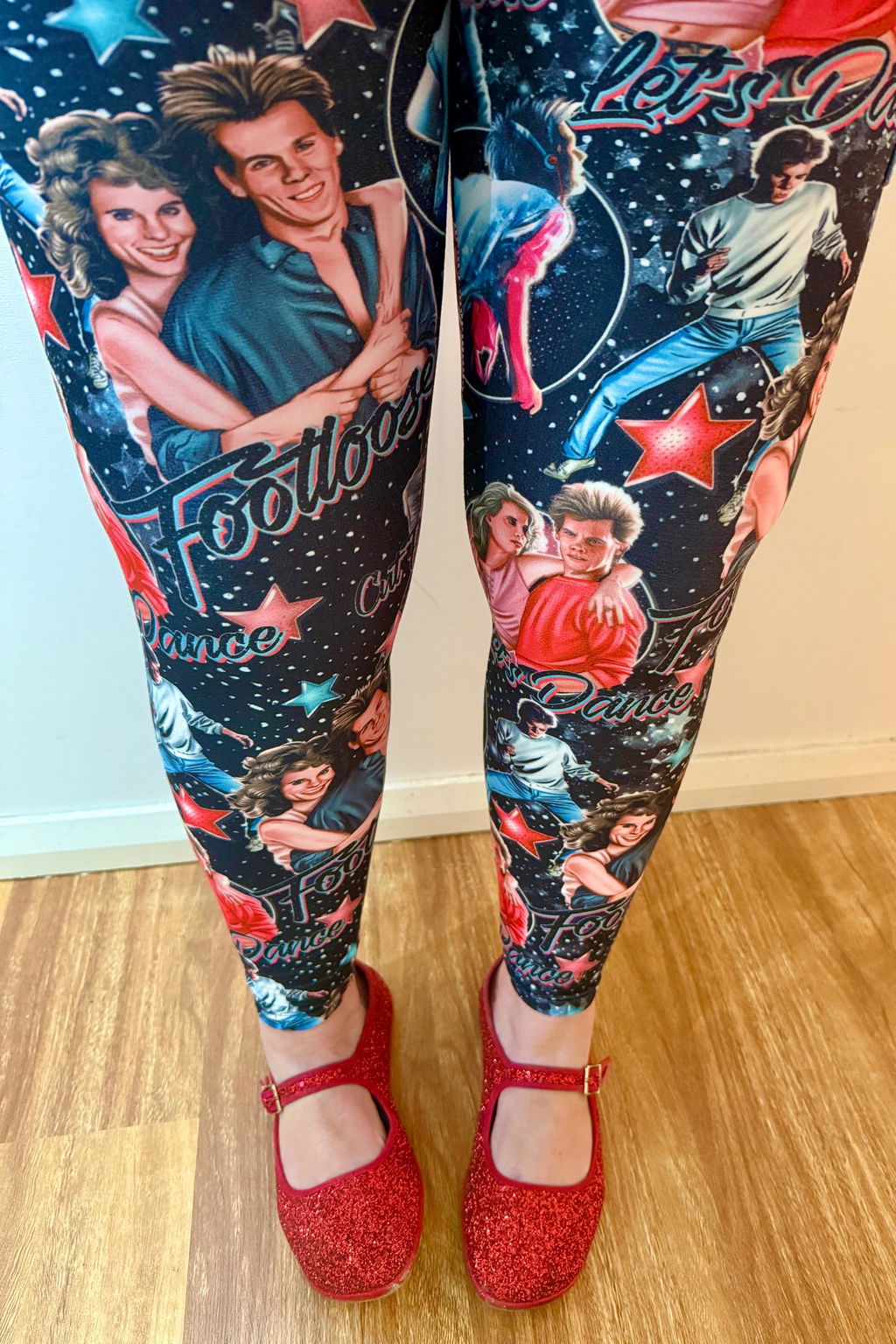
When you're ready to buy, prioritise investment pieces: basics that you'll wear constantly and that anchor outfits. A high-quality pair of leggings or a well-made shirt will be worn far more often than a trendy piece. That's where cost-per-wear maths works hardest in your favour.
Buy less frequently but more intentionally. Instead of buying multiple cheap items, buy one quality item that you genuinely love. This requires slowing down your shopping, resisting impulse purchases and thinking about whether something fits your existing wardrobe.
Consider second-hand options. Buying pre-loved ethical pieces extends their lifecycle further and costs significantly less than new. You're still supporting the original maker's reputation for quality while reducing demand for new production.
Look for sales and end-of-season discounts on ethical brands. Quality pieces hold their value, so even discounted ethical fashion often costs less per wear than full-price fast fashion.
Pay attention to fabric content. Natural fibres like cotton, linen, and wool typically last longer and feel better than synthetics. They're also more biodegradable at end of life. Check labels and choose accordingly.
Finally, take care of what you own. Proper washing, storage, and repair extend garment life dramatically. Hand wash delicate pieces, air dry when possible, and mend small issues before they become major damage.
Ethical Clothing Brands in 2026
If you're looking to start your ethical fashion journey, there are more options than ever. Ethical brands now span every category: loungewear, everyday basics, dresses, activewear, and accessories.
Sandee Rain Boutique specialises in comfortable, high-quality clothing designed for everyday wear. Our collection features buttery-soft fabrics, inclusive sizing for all women, and ethically made pieces that are built to last. We use sustainable materials and fair labour practices throughout our supply chain, and we're transparent about our sourcing. Every piece is designed with durability in mind, you're investing in garments that will remain soft, comfortable, and wearable for years.
Beyond Sandee Rain, the ethical fashion landscape includes established brands like Patagonia, known for environmental commitment and transparency, which publishes detailed supply chain reports. Smaller independent makers often offer custom or made-to-order pieces, reducing overproduction and allowing you to get exactly what you want.
Many ethical brands now offer rental or subscription models, allowing you to wear more pieces without owning them outright. This further reduces the environmental impact of your wardrobe while keeping costs manageable.
The key is finding brands whose values align with yours and whose quality justifies the investment. Read their transparency reports. Look for certifications like Fair Trade USA or similar accreditation bodies that verify their claims. Check customer reviews for durability and fit feedback.
Price varies significantly among ethical brands. Some premium labels cost significantly more; others are competitive with mid-range fast fashion when you account for durability. Start by exploring brands at different price points to find what works for your budget.
The price difference between ethical fashion and fast fashion reflects fundamentally different approaches to production, labour, and environmental responsibility. Ethical fashion costs more upfront because it refuses to hide its true costs. It pays workers fairly, uses sustainable materials, and builds garments to last.
But when you calculate cost-per-wear and consider the environmental impact of constant replacement, ethical fashion often costs less over time. It's an investment in quality, durability, and values alignment.
At Sandee Rain Boutique, we believe that ethical fashion should be accessible. We're committed to creating beautiful, comfortable pieces that you'll wear for years, pieces that reflect your values without requiring a luxury budget. SHOP NOW and discover why our customers return again and again for ethically made clothing that feels as good as it looks.
=== FAQ ANSWERS (audit these too, same rules) ===
[1] Q: What are the primary factors that make ethical fashion more expensive than fast fashion? A: Ethical fashion costs more because brands invest in fair wages for garment workers, source sustainable and organic materials, prioritise supply chain transparency, and focus on quality craftsmanship. Fast fashion keeps prices artificially low through labour exploitation, synthetic materials, and planned obsolescence. When you calculate cost-per-wear over a garment's lifespan, ethical pieces often cost less per use.
[2] Q: How do I calculate cost-per-wear for clothing to justify ethical fashion prices? A: Divide the garment's price by the number of times you'll wear it. An ethical dress worn 100 times costs less per wear than a fast-fashion dress worn 10 times. Ethical pieces typically last longer due to superior materials and construction, making them the more economical choice over time. Track your actual wear patterns to make accurate calculations.
[3] Q: Does sustainable fashion actually last longer than fast fashion? A: Yes. Ethical brands use higher-quality fabrics, reinforced stitching, and durable construction techniques. Fast-fashion items are designed with planned obsolescence, they fade, pill, shrink, and tear quickly. Ethical garments maintain their integrity through many washes, while fast-fashion pieces deteriorate within a season or two. This longevity directly impacts your overall spending.
[4] Q: How can I identify truly ethical brands versus greenwashing? A: Look for third-party certifications like Fair Trade, GOTS (Global Organic Textile Standard), or B Corp accreditation. Ethical brands publish supply chain transparency reports and can trace materials to specific farms or factories. They disclose worker wages and working conditions. Greenwashing brands make vague sustainability claims without proof. Ask brands directly for certifications and factory locations, genuine ethical companies provide this information readily.
Frequently Asked Questions
Q: What are the primary factors that make ethical fashion more expensive than fast fashion?
A: Ethical fashion costs more because brands invest in fair wages for garment workers, source sustainable and organic materials, prioritise supply chain transparency, and focus on quality craftsmanship. Fast fashion keeps prices artificially low through labour exploitation, synthetic materials, and planned obsolescence. When you calculate cost-per-wear over a garment's lifespan, ethical pieces often cost less per use.
Q: How do I calculate cost-per-wear for clothing to justify ethical fashion prices?
A: Divide the garment's price by the number of times you'll wear it. An ethical dress worn 100 times costs less per wear than a fast-fashion dress worn 10 times. Ethical pieces typically last longer due to superior materials and construction, making them the more economical choice over time. Track your actual wear patterns to make accurate calculations.
Q: Does sustainable fashion actually last longer than fast fashion?
A: Yes. Ethical brands use higher-quality fabrics, reinforced stitching, and durable construction techniques. Fast-fashion items are designed with planned obsolescence—they fade, pill, shrink, and tear quickly. Ethical garments maintain their integrity through many washes, while fast-fashion pieces deteriorate within a season or two. This longevity directly impacts your overall spending.
Q: How can I identify truly ethical brands versus greenwashing?
A: Look for third-party certifications like Fair Trade, GOTS (Global Organic Textile Standard), or B Corp accreditation. Ethical brands publish supply chain transparency reports and can trace materials to specific farms or factories. They disclose worker wages and working conditions. Greenwashing brands make vague sustainability claims without proof. Ask brands directly for certifications and factory locations—genuine ethical companies provide this information readily.




Leave a comment (all fields required)