



Table of Contents
- What Does Buttery Soft Actually Mean?
- The Fibers Behind Buttery Soft Fabric
- Knit Structure and Weave Density: Why Construction Matters
- The Softness vs. Durability Trade-Off
- What About Fleece Lined Leggings?
- How to Keep Leggings Soft After Washing
- Shop Our Buttery Soft Collection
- Frequently Asked Questions
Last Updated: September 5, 2026
What Does Buttery Soft Actually Mean?
When you slide your hand across a fabric and it feels almost liquid, that is buttery soft in practice. It comes from fine fiber diameter, a smooth surface texture, and a knit or weave loose enough to drape without stiffness.
Buttery softness is not thinness or fragility. A genuinely soft fabric feels substantial yet glides across the skin. Softness comes from how fibers are constructed and assembled into yarn, not from a chemical finish sprayed on afterward.
Below, we break down the science of softness, the materials that deliver it, and how to keep your favourite pieces feeling new, plus the honest trade-offs between softness and durability.
The Fibers Behind Buttery Soft Fabric
The single biggest factor in buttery softness is fiber composition. Natural fibers like cotton have a short, irregular structure, while certain cellulose and synthetic fibers can be manufactured with a finer, smoother profile.
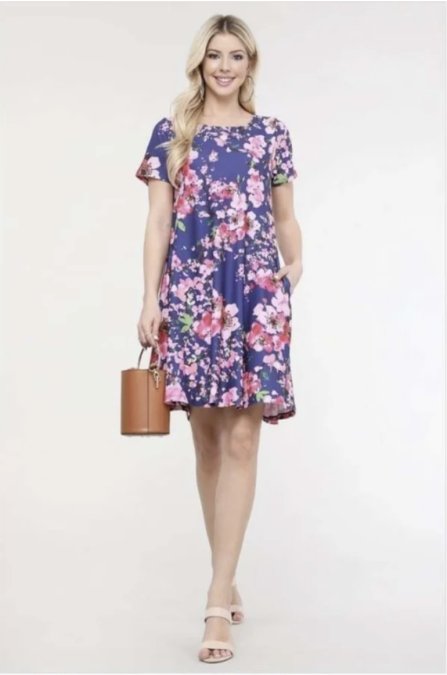
Buttery Soft Flared Dress with Pockets - Navy Cherry Blossom
Think of it like hair: a thick, coarse strand feels rough, while a fine, silky strand feels smooth. Fiber diameter, measured in microns, determines how much fabric bends and yields, lower micron counts mean softer fabric.
The Micro-Fiber Science Most Guides Skip
Buttery softness is also about how individual fibers are shaped, split, and surfaced during manufacturing.
Fiber cross-section geometry. Polyester and nylon fibers are extruded through spinnerets, metal plates with tiny holes. A standard round fiber feels firmer, but trilobal (three-lobed) or hollow shapes create tiny channels that wick moisture while reducing the surface area touching your skin.
Mechanical softening: brushing and sanding. After knitting, fabric passes through a napping machine fitted with fine wire brushes that lift microscopic loops of fiber, creating a raised pile, what your fingertips register as "peach fuzz." Double brushing means the fabric goes through twice, once per side.
A related technique is sanding or emery finishing, where fabric passes over rollers wrapped in fine abrasive paper. This shaves off protruding micro-fibers rather than lifting them, producing an exceptionally smooth surface and reducing pilling risk.
Micron count and fiber fineness. Superfine merino sits around 17-19 microns; standard cotton averages 20-25; modal is typically extruded at 10-12. When fibers drop below roughly 15 microns, they bend so easily that the fabric feels liquid against the skin.
Fiber length and yarn twist. Staple fibers (short, like cotton) have ends that protrude, creating microscopic roughness. Filament fibers (continuous, like modal or polyester) have no ends, so the yarn surface is inherently smoother. Yarn twist matters too: high-twist feels firmer and more durable; low-twist feels softer but pills more.
Modal and Bamboo: The Cellulose Champions
Modal is a rayon made from beech tree pulp, extruded into fibers finer and more uniform than cotton, giving it a silky drape and pilling resistance. Bamboo jersey follows a similar path, using bamboo pulp to create a breathable, moisture-wicking, exceptionally soft fabric.
Both are cellulose fibers, plant material that undergoes significant processing. The result feels cool against the skin, absorbs moisture well, and holds dye beautifully.
Double-Brushed Polyester: The Synthetic Softie
On the synthetic side, double-brushed polyester has become an activewear favourite. The name refers to the mechanical softening process described above, fabric passes through machines with fine wire brushes on both sides, raising surface fibers into a plush texture.
Unlike modal, polyester is plastic-based and does not breathe as naturally. But it excels at stretch and recovery, which is why it dominates the leggings market.
The Environmental Angle Competitors Ignore
There is a sustainability trade-off worth naming. Bamboo and modal come from renewable plant sources, and some modal producers (like Austria's Lenzing) operate closed-loop processes that recover pulping chemicals. Bamboo viscose, however, is often processed with carbon disulfide, which carries environmental and health concerns unless the mill uses responsible recovery systems.
Double-brushed polyester, by contrast, is made from petroleum and sheds microplastics during washing. Its durability is a partial offset, leggings that last three years have a lower per-wear footprint than a cheap pair that pills after six washes.
Knit Structure and Weave Density: Why Construction Matters
Fiber composition only tells half the story. Buttery softness also depends on how fibers are knitted or woven together.
Jersey knits use a single set of needles to create a flat, stretchy fabric with a smooth face and textured back. Fleece-backed knits add a looped layer brushed into a cosy interior for hoodies and lined leggings.
Weave density matters just as much. A tight weave feels smoother but can feel stiff and less breathable. A looser weave allows more air and movement, contributing to that airy, weightless sensation, but it is more prone to snagging and wear.
The Softness vs. Durability Trade-Off
Here is the honest truth most guides skip: the qualities that make fabric buttery soft also make it more vulnerable. Fine fibers bend easily but break more readily under stress.

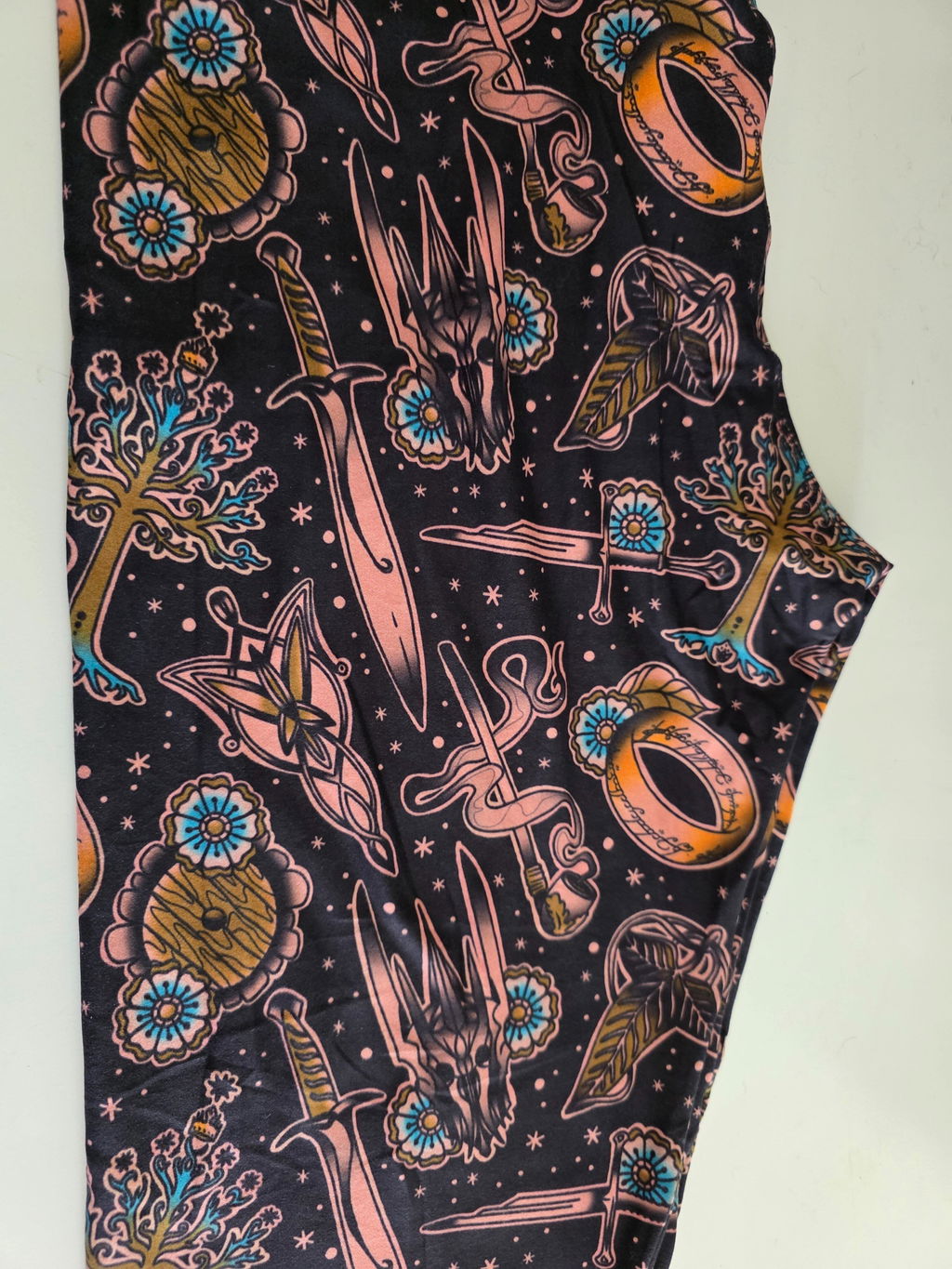
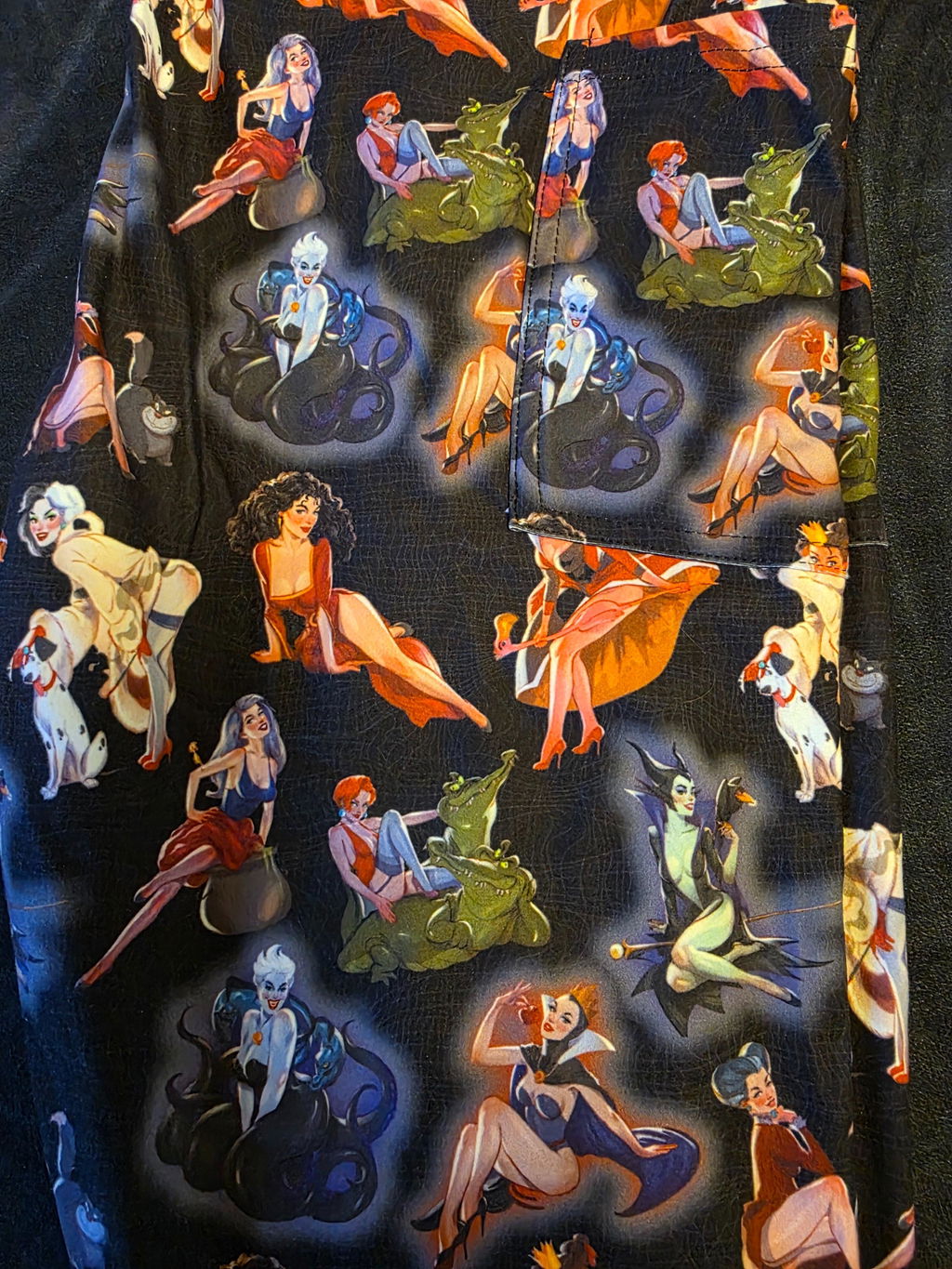
Leggings Depot Full Size Buttery Soft Printed Joggers with Drawstring Plus Size
This is why some "premium" loungewear falls apart after a few washes. Very fine, loosely twisted yarns feel incredibly soft but have lower tensile strength, they pill, thin out, and develop holes in high-friction areas.
The best fabrics strike a balance. Quality leggings use a fiber blend, typically polyester and spandex, where spandex provides elasticity and recovery while polyester contributes softness and shape retention. That careful engineering is what you feel in a truly great pair.
What About Fleece Lined Leggings?
Fleece lined leggings deserve a special mention because they solve a different problem. While buttery soft fabrics focus on a smooth hand-feel, fleece lined leggings prioritise warmth and cosiness.
The best fleece lined leggings use a double-faced construction: a durable, soft outer shell and a plush, insulated interior. The outer face still needs to feel smooth and glide under outerwear, while the inner face needs to feel like a warm hug.
How the Fleece Backing Is Actually Made
The fleece interior is not a separate fabric glued on, it is knitted as part of the same textile. Two main constructions matter:
Brushed back fleece. The fabric is knitted with an extra set of yarns on the inside, creating loops, then passes through a napping machine that breaks and lifts those loops into a fuzzy pile. Pile depth depends on the number of passes and brush speed.
Sheared fleece. After brushing, some manufacturers pass the fabric through a shearing machine that trims the pile to a uniform height. This produces a smoother, more consistent fleece that sheds less lint and feels less bulky under tight layers.
Warmth-to-Weight Ratio: Why Fleece Beats Thicker Knits
A common misconception is that warmth comes from thickness. In reality, it comes from trapped still air. The brushed pile creates thousands of tiny air pockets between fibers; still air is a poor conductor of heat, so it insulates your skin from the cold.
This is why fleece-lined leggings can feel warmer than heavyweight cotton leggings twice as thick. For Australian winters, where Melbourne and Canberra regularly drop below 5°C, this warmth-to-weight ratio matters.
The Outer Face: Where Buttery Softness Still Applies
Here is the nuance most guides miss: the outer face still needs to feel smooth, because you touch it constantly. A cheap pair uses a basic knit outer that feels rough or shiny. A premium pair uses a brushed or sanded outer face with a fine, matte finish that glides and does not snag on knitwear.
This dual-face engineering is genuinely difficult. Inner brushing weakens the fabric's structure slightly, so the outer face needs a tighter knit or higher spandex content to maintain shape, which is why well-made fleece-lined leggings typically contain 8-12% spandex, compared to 5-7% in standard leggings.
How to Judge Quality in Store
When comparing fleece-lined leggings, use this three-point touch test:
- Rub the inner face in a circular motion. Quality fleece feels uniformly plush with no bald patches or rough spots.
- Pinch the fabric between thumb and forefinger. It should feel substantial but not stiff. If it feels board-like, the manufacturer used a dense knit to compensate for poor brushing.
- Stretch the fabric and look at the inner face. The pile should open slightly but not reveal bare yarn. If you can see the knit structure clearly, the fleece is too shallow.
Care Differences for Fleece-Lined Leggings
Fleece-lined leggings need slightly different care than standard buttery soft leggings. The brushed pile is delicate, aggressive washing flattens it permanently. Wash inside out in cold water on a gentle cycle and skip fabric softener entirely.
Air drying is strongly recommended. Tumble drying on low heat is acceptable occasionally, but high heat melts and flattens the brushed pile. If you must machine dry, remove the leggings while still slightly damp and lay them flat to finish.
For Australian winters, fleece lined leggings are a practical layering piece, they pair well with oversized knitwear and boots. Look for a pair where the fleece backing is brushed, not just looped, because brushing creates that soft, fluffy texture rather than a rough, terry-like feel.
How to Keep Leggings Soft After Washing
The most common complaint we hear is that leggings feel amazing when new but turn rough and pilly after a few washes. The culprit is almost always improper laundry care.
Softness lives in the smoothness of individual fibers, and every wash is an opportunity for them to roughen. Fabric softener, ironically, makes things worse over time, it coats fibers with a waxy residue that attracts dirt and reduces absorbency.
Wash and Dry Routines That Preserve Softness
The golden rule is to wash loungewear and leggings inside out in cold water on a gentle cycle. Inside out protects the outer surface from friction; cold water prevents fibers from swelling and weakening.
Skip the fabric conditioner. Instead, add a small amount of white vinegar to the rinse cycle, it breaks down detergent residue without leaving a scent once dry.
Air drying is always the safest option. If you must use a dryer, choose the lowest heat setting and remove garments while still slightly damp. Hanging leggings by the waistband stretches them out over time, so lay them flat or hang by the cuffs.
Shop Our Buttery Soft Collection
Now that you understand the science, you can shop with confidence. True buttery softness comes from quality fibers, smart construction, and proper care.
At Sandee Rain Boutique, we have curated a collection that prioritises exactly what we have talked about: fine cellulose fibers, mechanical softening, and thoughtful blends that survive real life. Our customers consistently tell us these are the softest pieces they own.
If you are ready to feel the difference, start with our Zenana Buttery Soft Flare Leg High Waist Yoga Pants. They pair a double-brushed polyester and spandex blend with a seamless waistband and a flare silhouette that flatters every body. For something warmer, the Leggings Depot Full Size Buttery Soft Printed Joggers offer that same plush feel with a drawstring waist for a custom fit.
Frequently Asked Questions
What specific fabric blend feels buttery soft?
The most common blends are modal-spandex and double-brushed polyester. Modal, made from beech tree pulp, offers a smooth, draping feel. When mixed with about 5-10% spandex, it gains stretch and recovery. Double-brushed polyester gets its softness from a mechanical brushing process on both sides, which lifts the fibers to create a napped, plush surface. Both options feel smooth against the skin, but modal tends to breathe better, while brushed polyester offers more warmth.
Why do some fabrics lose their buttery soft feel after washing?
Fabric softness fades for a few reasons. High heat from dryers can melt or stiffen synthetic fibers like polyester, while harsh detergents strip natural oils from cellulose fibers like modal. Agitation in the wash can also cause pilling, where small fibers tangle into balls on the surface. To keep that soft feel, wash in cold water, skip fabric softener (it coats fibers and reduces absorbency), and air dry or use the lowest dryer setting.
Is buttery soft fabric the same as brushed fabric?
Not always. Brushed fabric is a specific type of buttery soft material. The brushing process mechanically lifts fibers to create a soft, fuzzy surface, which is common in fleece and double-brushed polyester. However, fabrics like modal and bamboo jersey achieve their buttery feel through their fiber structure alone, without any brushing. They are naturally smooth and silky. So while all brushed fabrics aim for softness, not all buttery soft fabrics are brushed.
How can I test if a fabric will feel buttery soft before buying?
You can look for a few indicators online. Check the fiber composition: modal, bamboo, and double-brushed polyester are strong signs. Look for the term 'brushed' in the product description. Read customer reviews for words like 'soft', 'smooth', or 'doesn't itch'. When your order arrives, do a quick hand test: rub the fabric between your fingers and against your cheek. A truly buttery fabric should feel smooth with no rough or scratchy texture.


Dejar un comentario