



Table of Contents
- What Causes Fabric Pilling?
- Best Fabrics to Avoid Pilling
- How to Prevent Fabric Pilling When Washing
- Preventing Pilling on Leggings and High-Friction Areas
- How to Remove Pilling from Clothes
- Common Pilling Myths You Should Ignore
- Conclusion: Keep Your Favourite Pieces Pilling-Free
- Frequently Asked Questions
Last Updated: September 7, 2026
Few things are more disappointing than pulling a favourite sweater from the wash only to find it covered in those tiny, fuzzy balls. Fabric pilling is the bane of cosy knitwear, but the good news is that the best ways to prevent fabric pilling are simpler than you might think. At Sandee Rain Boutique, we offer buttery-soft pieces meant to last, and we understand the importance of keeping fabrics looking fresh. This guide covers practical prevention methods, the best fabrics to choose, and how to remove pilling when it does appear.
The secret to preventing pilling lies in understanding why it happens in the first place. Pilling occurs when loose fibres on a garment's surface tangle together into small balls, a process driven by friction during wear and washing. Rather than resigning yourself to fuzzy sweaters, you can take simple steps to dramatically extend the life of your favourite pieces. Below, we'll walk you through everything from washing techniques to fabric selection.
What Causes Fabric Pilling?
Fabric pilling happens when short or broken fabric fibers work their way to the surface and become entangled through friction. Every time your clothing rubs against itself, your bag strap, or the washing machine drum, those loose fibres tangle into visible pills. Fiber breakage is the root cause, and it's influenced by both the quality of the yarn and how the fabric is constructed.
The type of fibre matters enormously. Synthetic fibers like polyester and acrylic are smooth and strong, which means loose ends don't wear away naturally. Instead, they stay on the surface and tangle into pills. Natural fibers such as cotton and wool also pill, but the balls tend to fall off more easily over time. Short fibers pill more readily than long-staple fibers because there are simply more ends to work loose.
Weave structure plays a role too. A loose weave or knit allows fibres to move and rub together, while tightly woven fabrics hold fibres in place. This is why your favourite slouchy knit might pill faster than a smooth, dense jersey.
Best Fabrics to Avoid Pilling
If you're shopping with pilling in mind, choosing the right fabric from the start is your best defence. Tightly woven, smooth fabrics with long fibres resist pilling far better than loose, fluffy knits.
Fabric Type |
Pilling Resistance |
Why |
Best For |
|---|---|---|---|
Tightly woven cotton |
High |
Smooth, long fibres stay locked in place |
Everyday tees, shirts |
Linen |
High |
Strong, long fibres resist breakage |
Summer tops, dresses |
Merino wool |
Medium-High |
Long-staple fibres pill less than regular wool |
Jumpers, base layers |
Polyester blends |
Low-Medium |
Strong fibres hold pills once formed |
Athleisure, leggings |
Acrylic |
Low |
Soft but short fibres break and tangle easily |
Budget knitwear |
Bouclé |
Low |
Looped, textured surface invites friction |
Fashion sweaters |
That said, you don't need to avoid cosy fabrics entirely. The SO ME Loose Fit Exposed Seam Slouchy Boucle Sweater from Sandee Rain Boutique is made from soft bouclé fabric that feels warm and comfortable, and with the right care it will keep its charm. What matters most is how you wash and handle these pieces.

How to Prevent Fabric Pilling When Washing
Washing is where most pilling damage happens, but a few adjustments to your routine can make a world of difference. One effective habit is turning garments inside out before washing. This protects the outer surface from direct agitation against other clothes and the drum.
Follow these steps to protect your knitwear:
- Turn garments inside out to shield the outer surface
- Fasten all zippers, hooks, and buttons to prevent snagging
- Place delicate items in a mesh laundry bag for extra protection
- Select a delicate cycle with a low spin speed
- Use a cold water wash instead of warm or hot
- Skip the fabric softener and use a gentle laundry detergent instead
- Air-dry flat rather than using the dryer
Tumble drying is one of the worst culprits for pilling. The constant tumbling creates friction between wet fibres, encouraging breakage and entanglement. If you must use a dryer, choose the lowest heat setting and remove items while still slightly damp.

Zenana Chenille Waffle Cap Sleeve Sweater
The Hidden Factor: Your Washing Machine Type
Most advice ignores the machine itself, yet the type of washer you own significantly influences pilling. Traditional top-loaders with a central agitator (the tall spindle in the middle) are notoriously harsh. The agitator twists and rubs clothes against each other with high mechanical force, which is precisely the kind of friction that breaks fibres and accelerates pilling.
Modern impeller-based washers (often found in front-loaders and newer high-efficiency top-loaders) do not have this central post. Instead, they use a low-profile disc at the bottom to generate a gentler tumbling action. This design reduces the abrasive rubbing between garments, which can be beneficial for delicate knits and prone-to-pill fabrics.
What you can do:
- Check your machine: If you have an agitator washer, always use a mesh bag for knitwear. The bag acts as a buffer, minimising direct contact with the agitator.
- Reduce load size: Overloading any machine increases friction because clothes have less room to move freely. Wash delicates in smaller loads to allow gentler water movement.
- Use the 'hand wash' or 'wool' cycle: These cycles use shorter, slower agitation and lower spin speeds, significantly reducing the mechanical stress on fibres.
- Consider a front-loader: If you're in the market for a new machine, a front-loading washer is generally far kinder to your clothes than a traditional top-loader with an agitator.
By matching your wash routine to your machine's mechanics, you can help reduce the friction that causes pilling in the first place.
Preventing Pilling on Leggings and High-Friction Areas
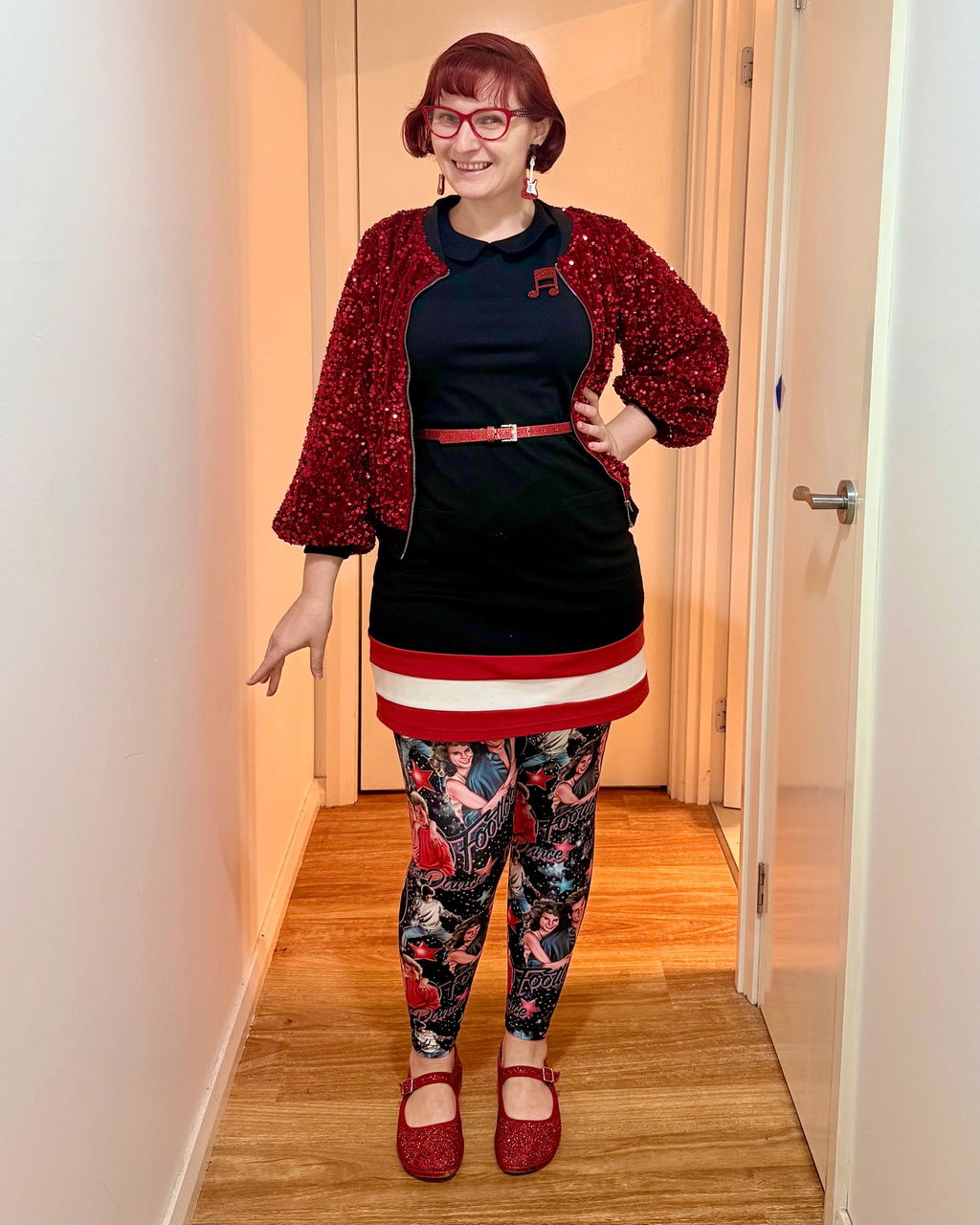
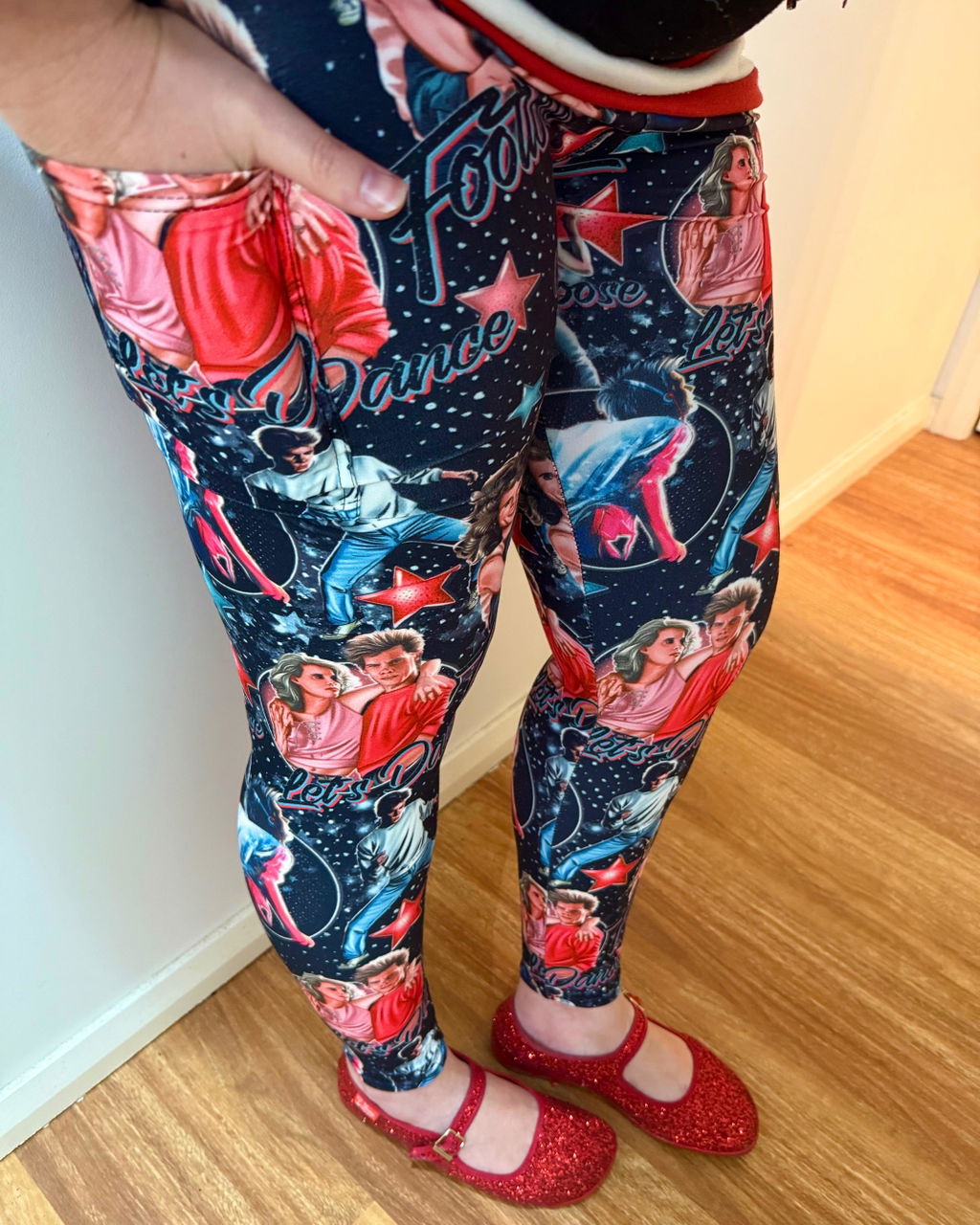
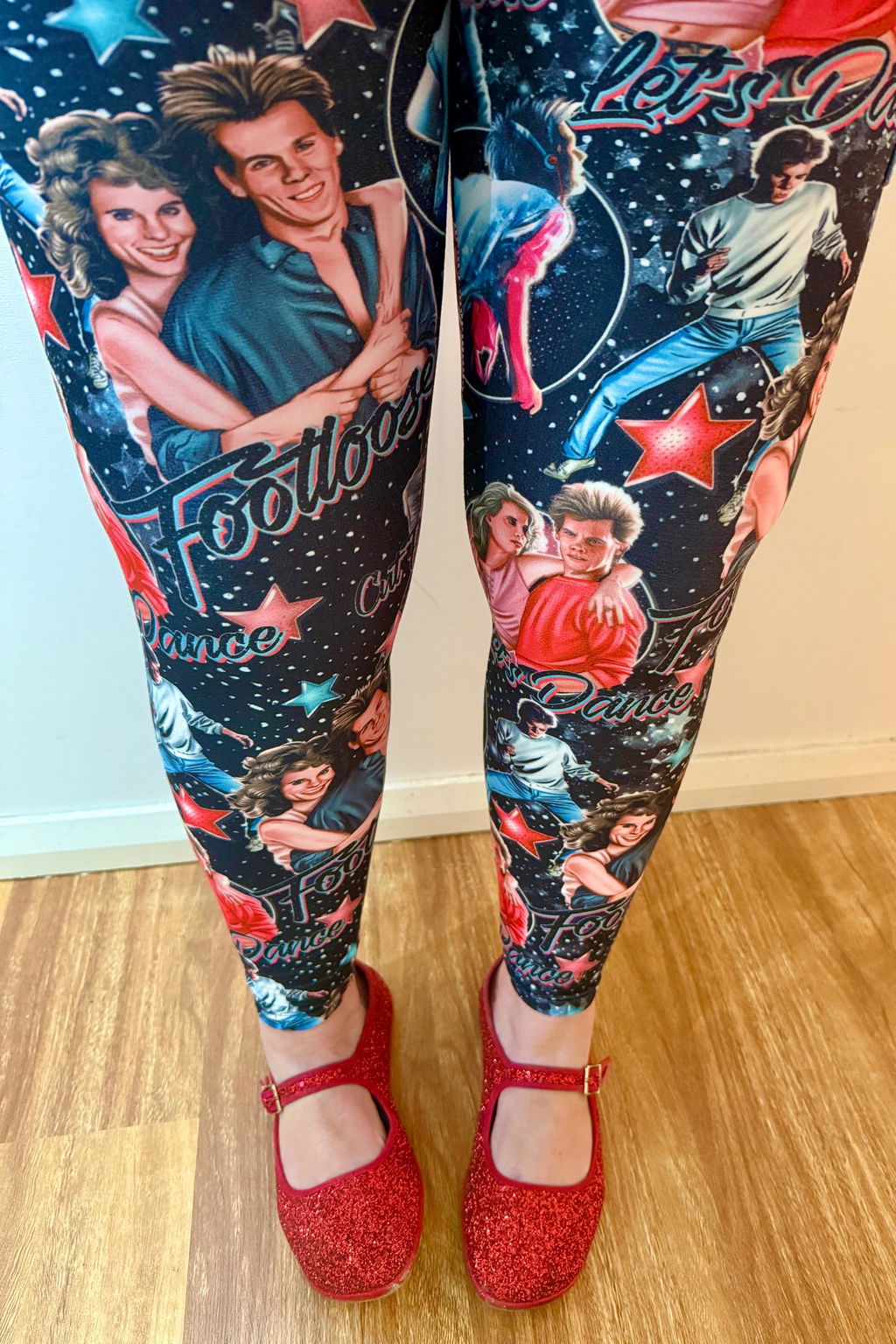
Leggings face a unique challenge: they endure constant friction in high-contact zones like the inner thighs, where your legs rub together with every step. Preventing pilling on leggings requires a slightly different approach than caring for sweaters.
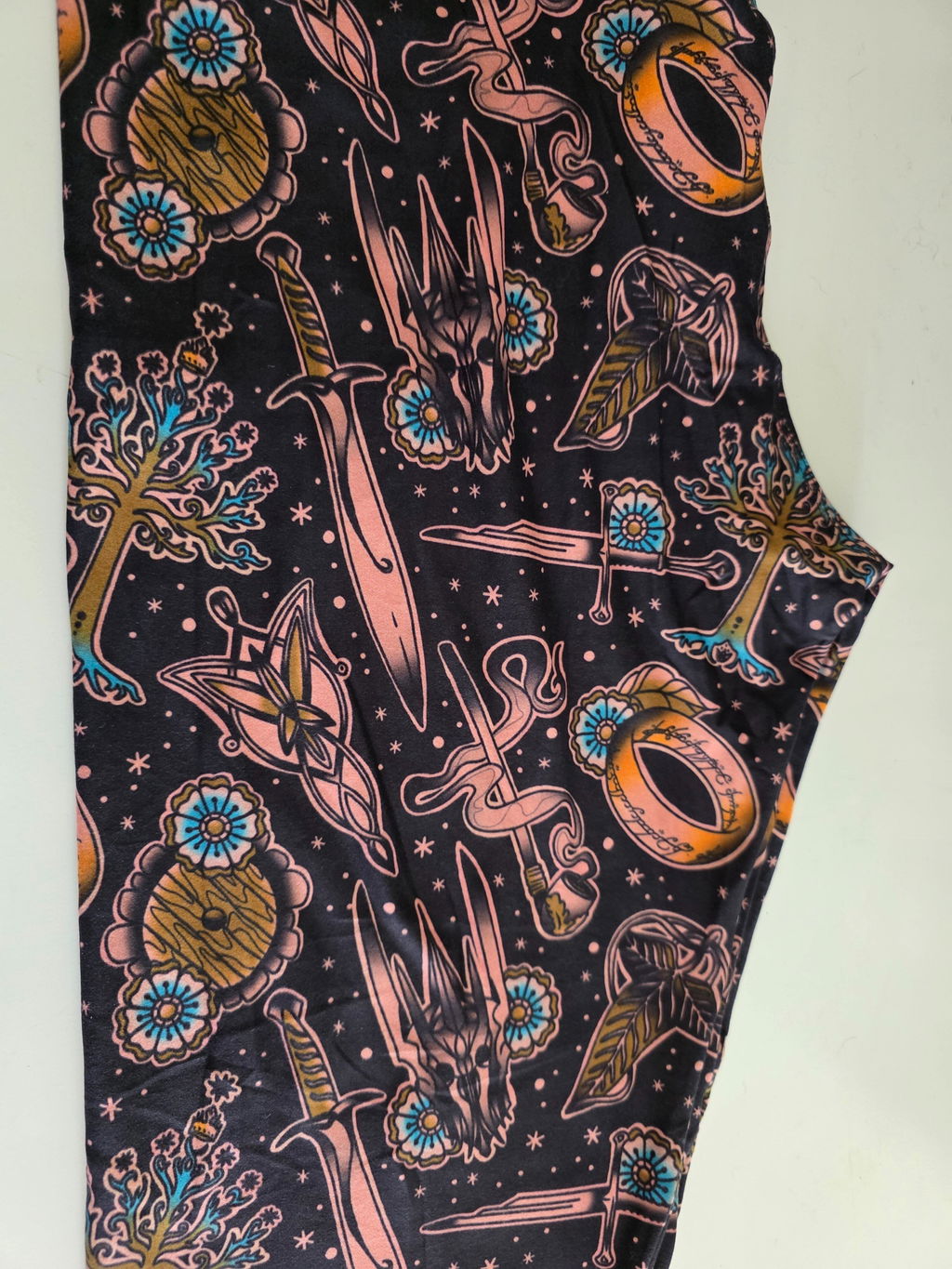
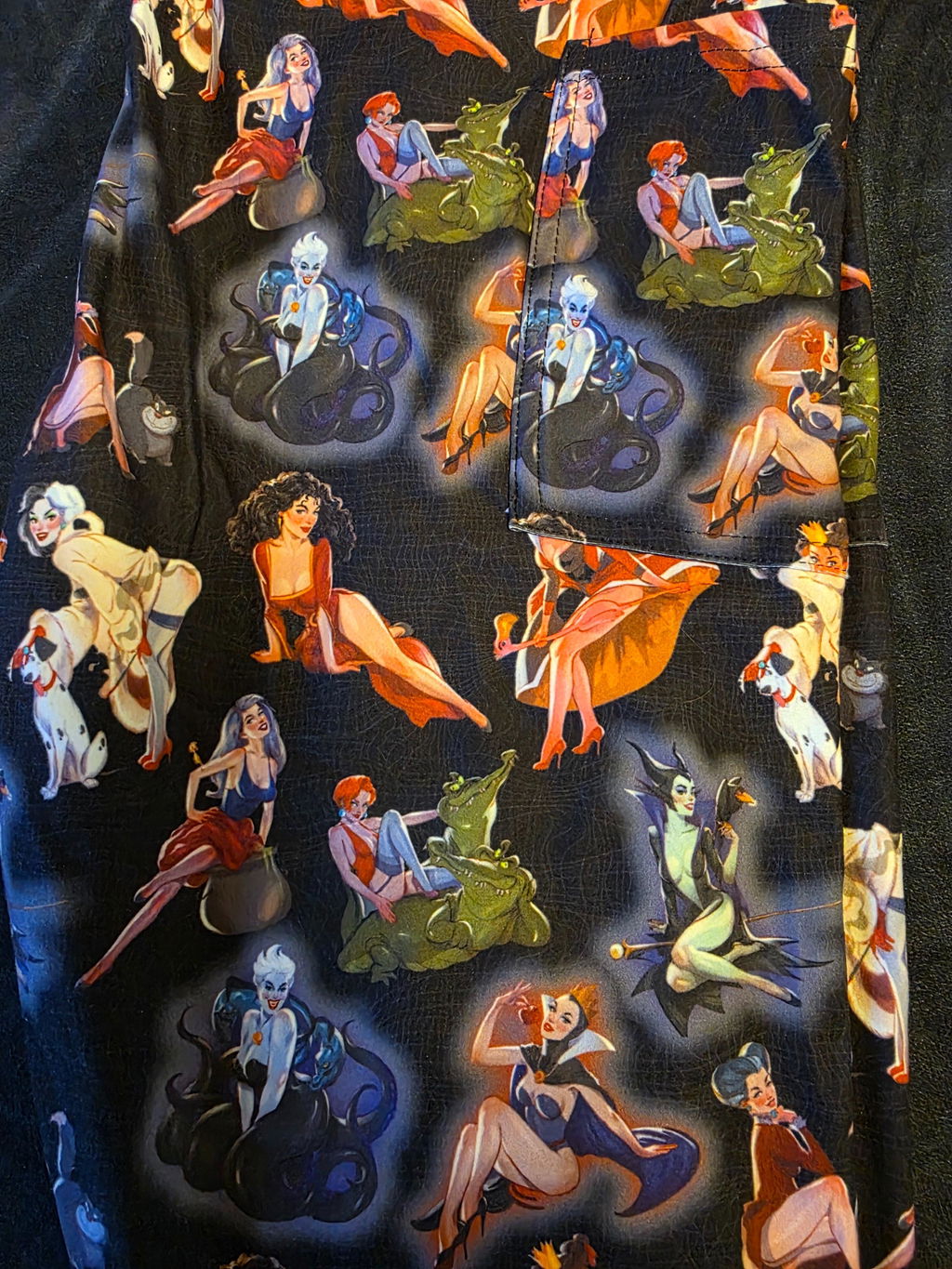
Choose leggings made from tightly knit, smooth fabrics with minimal loose surface fibres. Higher-quality blends with nylon or elastane tend to hold up better than pure cotton or loose polyester knits. When you find a pair you love, like the buttery-soft options at Sandee Rain Boutique, washing them inside out in a wash bag and air-drying them can help preserve the fabric's integrity.
A Zone-by-Zone Guide to High-Friction Areas
Pilling isn't uniform across a garment. It concentrates where friction is highest. Here’s how to protect the most vulnerable zones on any piece of clothing:
1. Inner Thighs (Leggings, Trousers, Jeans)
This area suffers from constant rubbing during walking. The fix is twofold:
- Choose the right fabric: Look for a high percentage of nylon or elastane (at least 10-15% elastane) in a tight knit. Avoid loosely knitted cotton or brushed fleece inside the thigh area.
- Use a fabric protection spray: A specialised anti-friction spray or even a light application of hairspray (test first!) can temporarily stiffen fibres, potentially reducing their ability to tangle.
- Wash less, air more: Over-washing weakens fibres. Spot-clean and air your leggings between wears to maintain fibre strength.
2. Underarms (Jumpers, Shirts, Jackets)
The combination of deodorant residue, sweat, and constant arm movement creates a perfect storm for fibre breakage.
- Rinse deodorant out: Deodorant can crystallise on fibres, making them brittle. A quick rinse of the underarm area with cold water before washing helps.
- Wear a base layer: A smooth cotton or silk undershirt absorbs sweat and reduces the direct friction of the outer garment against your skin.
- Use a gentle deodorant: Some clinical-strength deodorants contain aluminium salts that can weaken fabric fibres over time. Consider switching to a gentler formula for your favourite knits.
3. Bag Strap Contact Points (Shoulders and Hips)
The constant sawing motion of a handbag or backpack strap is a major cause of localised pilling.
- Rotate your bag: Don't carry the same bag on the same shoulder every day. This distributes the wear.
- Smooth the strap: If your bag has a rough or textured strap, consider covering it with a smooth fabric sleeve or scarf where it rests on your clothing.
- Choose smooth outer layers: A tightly woven trench coat or denim jacket will resist pilling from a bag strap far better than a chunky knit.
For all these areas, the same rule applies: trim, don't pull, any loose threads you spot before they worsen. A small, sharp pair of embroidery scissors is an excellent tool for this. By targeting your care routine to these specific zones, you can keep your clothes looking newer for much longer.
How to Remove Pilling from Clothes
Even with the best prevention, pilling can still appear. The good news is that removing it is quick and satisfying. A fabric shaver is the most effective tool, gently gliding over the surface to clip away pills without damaging the fabric beneath.
For smaller jobs or delicate fabrics, a lint roller or even a clean razor blade used carefully can work in a pinch. Sweep the tool in one direction over the pilled area, working in small sections. Always test on an inconspicuous spot first, especially on textured knits where you risk cutting the yarn itself.
After removing pills, launder the garment according to the care instructions to refresh the surface. Regular maintenance every few wears keeps pilling from building up and becoming more noticeable.
Common Pilling Myths You Should Ignore
Several myths about pilling persist, and believing them can lead you to damage your clothes or waste money.
Myth: Pilling means the fabric is low quality. Not necessarily. Even premium natural fibres like cashmere and merino wool pill when short fibres work loose. In fact, some high-quality fabrics pill initially as loose surface fibres shed, then stabilise.
Myth: Fabric softener prevents pilling. Fabric softener coats fibres with a waxy layer that can actually weaken the yarn structure over time, making fiber breakage more likely. It masks the problem rather than solving it.
Myth: You should never wash delicate fabrics. The opposite is true. Sweat, body oils, and dirt act as abrasives that increase friction. Regular, gentle washing actually helps prevent pilling by keeping fibres clean and flexible.
Myth: All pilling is permanent damage. Pilling is a surface issue. Once removed, the underlying fabric is usually perfectly intact. With proper care, a de-pilled garment can look nearly new again.
Conclusion: Keep Your Favourite Pieces Pilling-Free
Pilling doesn't have to spell the end for your favourite knitwear. By choosing quality fabrics, washing with care, and addressing pills early, you can keep your wardrobe looking fresh for years. Effective ways to prevent fabric pilling include consistent habits: turn garments inside out, use a mesh bag, wash cold, and air-dry whenever possible.
At Sandee Rain Boutique, we believe in clothing that feels as good as it looks and lasts beyond a single season. Our collection features buttery-soft fabrics and thoughtful construction designed for everyday wear. Explore our range of stylish sweaters and knitwear to find pieces that combine comfort, style, and durability.
Frequently Asked Questions
Does pilling mean the fabric is low quality?
Not always. Pilling happens when short fibres break loose and tangle into balls on the surface. It is more common with synthetic fibres and looser weaves, but even high-quality garments can pill if they rub against rough surfaces or are washed too aggressively. The best way to judge quality is to look at the fabric construction and fibre length. Long-staple fibres, like those in premium cotton or merino wool, resist pilling far better than short, staple fibres.
Does washing clothes inside out prevent pilling?
Yes, turning garments inside out is an effective way to prevent fabric pilling. This simple step protects the outer surface from friction and agitation against other items in the wash. For extra protection, place delicate knits and activewear in a mesh laundry bag. Combined with a cold water wash and a gentle cycle, this method significantly reduces fibre breakage and keeps your clothes looking newer for longer.
Is it better to hand wash or machine wash to avoid pilling?
Hand washing is gentler on fabrics and can be a very effective way to avoid pilling, especially for delicate knits and loosely woven items. If you prefer machine washing, always use the delicate cycle with cold water and place items inside a mesh laundry bag. The key is to minimise agitation, which is the main cause of fibre breakage. Skip the fabric softener too; it can coat fibres and make them more prone to breaking.
What is the best fabric shaver to remove pilling?
A battery-powered fabric shaver is a fast and effective tool to remove pilling from clothes. Look for one with a fine mesh guard and adjustable settings so you can safely use it on both delicate knits and sturdy leggings. For smaller areas or fabrics you are unsure about, a fabric comb is a gentler alternative. Always test on an inconspicuous area first and shave with light, sweeping motions to avoid damaging the fabric underneath.


Dejar un comentario