



Table of Contents
- Start With Your Body Shape, Not the Size Tag
- Best Fabrics for Curvy Figures: What Drapes and What Clings
- How to Find Flattering Outfits for Curvy Women
- How to Choose Plus Size Stores in Australia
- Tailoring, Shapewear and the Fit Nobody Talks About
- Build a Capsule Wardrobe That Actually Fits
- Styling Mistakes That Make Curves Disappear
- Frequently Asked Questions
Last Updated: September 10, 2026
Start With Your Body Shape, Not the Size Tag
Learning how to choose clothes for curvy figures starts with one shift: stop reading the size tag and start reading your silhouette. A size 18 apple shape and a size 18 pear shape need completely different cuts.
Body shape describes where your weight sits and how your shoulders, waist and hips relate, not how much you weigh. Once you know your shape, every rack becomes easier to filter.
The Four Shapes That Decide Your Fit
Most styling advice boils down to four silhouettes. Find yours, then shop for it deliberately:
- Apple: fuller through the midsection, with a defined bust and slimmer legs. Your goal is to draw the eye up and lengthen the torso.
- Pear: hips and thighs wider than shoulders. Structure on top and clean lines below balance your proportions.
- Hourglass: waist clearly narrower than bust and hips. Your job is simple: never hide the waistline.
- Rectangle: shoulders, waist and hips roughly aligned. You build curves with draping, belts and flare.
A common mistake is treating "plus-size" as one shape. It isn't, and brands that scale a straight-size pattern up instead of redrafting it for curves are the reason so many women give up on online shopping.
Best Fabrics for Curvy Figures: What Drapes and What Clings
The best fabrics for curvy figures are midweight knits with real stretch and recovery, not the thinnest jersey on the shelf. Fabric decides whether a garment skims your body or grabs at every seam, and it matters more than the cut on the hanger.

Judy Blue Full Size Tummy Control Straight Jeans
Look for viscose blends, ponte, modal jersey and cotton-elastane mixes. These fabrics drape over curves instead of clinging to them. Stiff fabrics like heavy linen and crisp poplin hold their own shape, which can work beautifully in a structured jacket but fights you in a fitted dress.
Stretch, Weight and Recovery
Recovery is how well a fabric springs back after wearing. A knit with good recovery keeps its shape through a full day, while a cheap stretch fabric sags at the knees and elbows by lunchtime.
Check the label before you buy:
- Elastane content between 2% and 5% adds stretch without bagging (peer-reviewed research)
- Midweight fabrics skim better than tissue-thin ones
- Ribbed knits and ponte hold structure across the bust and hips
If you've been burned by loungewear that felt lovely for a week then pilled, the culprit is usually fibre quality, not your washing machine.
How to Find Flattering Outfits for Curvy Women
Flattering outfits for curvy women follow one rule: define one focal point and let the rest of the outfit support it. You are not hiding anything. You are directing attention.
Waist, Neckline and Proportion
Three levers do most of the work.
Cinched waist. A wrap dress, a belted midi or a high-waisted jean all create a waistline even when your natural one is soft. The wrap dress remains the single most forgiving piece in a curvy wardrobe because the tie lets you set the fit yourself.
Neckline. A V-neck or scoop draws the eye upward and lengthens the torso. A high crew neck on a full bust can make the whole frame read wider, so balance it with an open jacket.
Proportion. Pair volume with structure. A floaty skirt wants a fitted top; wide-leg jeans want a closer-fitting knit. When everything is loose, the silhouette turns shapeless.
How to Choose Plus Size Stores in Australia
Choosing well among plus size stores in Australia comes down to three checks: real size range, garment measurements and honest returns. A store that lists a size 22 but only drafts patterns to a size 14 is not size-inclusive, no matter what the homepage says.
The tell is in the pattern grading. When a brand drafts each size separately, the armhole, bust dart and hip curve change shape as the size climbs. When a brand simply scales a size 10 pattern up by a fixed percentage, those curves stretch sideways instead of deepening, which is why a scaled garment pulls across the bust and gapes at the armhole. You can spot the difference before you buy by reading the size chart for two things: whether the bust-to-waist and waist-to-hip differences change across sizes, and whether the brand lists a separate curve or plus fit block rather than one chart for everyone.
Ask these questions before you spend:
What to Check |
Why It Matters |
Green Flag |
|---|---|---|
Size range |
Shows whether larger sizes are designed, not scaled |
Sizes drafted separately across the range |
Measurements |
Numbers beat labels every time |
Full bust, waist and hip measurements listed per size |
Grading |
Reveals whether curves were redrafted |
Bust-to-waist difference shifts across the size run |
Fabric detail |
Predicts how the garment wears and washes |
Fibre content and stretch stated |
Returns policy |
Protects you when fit is off |
Clear, straightforward returns terms |
Ethics and sourcing |
Tells you how the clothes were made |
Transparent supply chain information |
Measure Yourself Once, Shop Everywhere
Before you compare stores, take three measurements over your lightest undergarment and write them down: full bust at the fullest point, natural waist at the narrowest point (often just under the ribs, not at the navel), and hip at the widest point. Most fit problems trace back to shopping against a size label instead of these three numbers. If a store's chart asks only for a single "bust" figure with no waist or hip column, treat that as a signal the garment was not drafted for a curvy proportion.
Australian shoppers also have consumer protections around online purchases, so it's worth understanding your rights before ordering. The ACCC guidance on online shopping rights explains what you're entitled to when a garment doesn't match its description, a useful backstop when a listed measurement and the delivered garment disagree.
The Sustainability Angle Most Guides Skip
Sustainability deserves a place in this list too, and it connects directly to fit. A curvy capsule built from a few well-made, ethically produced pieces outlasts a wardrobe of fast-fashion fillers, and it's kinder on the wallet over a year. The reason is mechanical, not moral: cheap stretch fabrics lose recovery quickly, so they sag and pill within a season, while a midweight ponte or a well-constructed viscose blend holds its shape for years. When you're comparing two similar garments, the one with stated fibre content and a transparent supply chain is usually the one that will still fit you next winter.
Tailoring, Shapewear and the Fit Nobody Talks About
Tailoring is the fastest way to make any garment look made for you, and it costs far less than most people assume. A hem taken up, a waist taken in, or straps shortened can transform a piece you were about to return.
Budget-friendly tailoring hacks:
- Buy to fit your largest measurement, then have the rest taken in
- Ask for a hem that hits at the narrowest part of your ankle
- Have jeans taken in at the waistband rather than the hip
- Shorten sleeves to your wrist bone for an instant polish
Undergarments do quiet work here. A well-fitted bra lifts the bust and changes how every top falls. Smoothing shorts or a light slip reduce friction under dresses without needing to be tight. The rule with shapewear is comfort first: if you can't sit down comfortably, it's the wrong size.
Build a Capsule Wardrobe That Actually Fits
A capsule wardrobe for curvy figures is roughly 25 to 30 pieces that all work together, chosen for fit rather than trend. The point isn't minimalism for its own sake. It's that every item earns its place, and that each piece can be worn at least three different ways.
Most capsule guides start with the clothes. Start one layer down instead. The foundation is undergarments, because they change how everything above them falls. A well-fitted bra lifts the bust, which shortens the apparent torso and lets a wrap or V-neck sit where it was designed to. Smoothing shorts or a light slip reduce friction under dresses so fabric glides rather than catching at the thigh. Get this layer right and half your existing wardrobe suddenly fits better.
The Foundation Layer
- A bra fitted to your current band and cup, rechecked roughly every six months, since band size shifts with weight and posture. See the U.S. National Breast Cancer Organization’s bra fit guide or Myer’s Australian bra fitting guide.
- Smoothing shorts in a breathable knit for under dresses and skirts
- A light slip for fabrics that cling or generate static
The rule with shapewear is comfort first: if you can't sit down comfortably, it's the wrong size, and a garment that digs in will show through the outer layer rather than disappear under it.
The Core Pieces
Build the capsule in three tiers so every addition multiplies your outfit count rather than sitting alone:
Tier one, the base:
- Dark wash denim with stretch and a high rise
- A wrap dress in a fabric with real recovery
- Two well-cut knit tops in neutral and one vibrant colour
- A structured blazer that closes without pulling
- A pencil skirt with a defined waistband
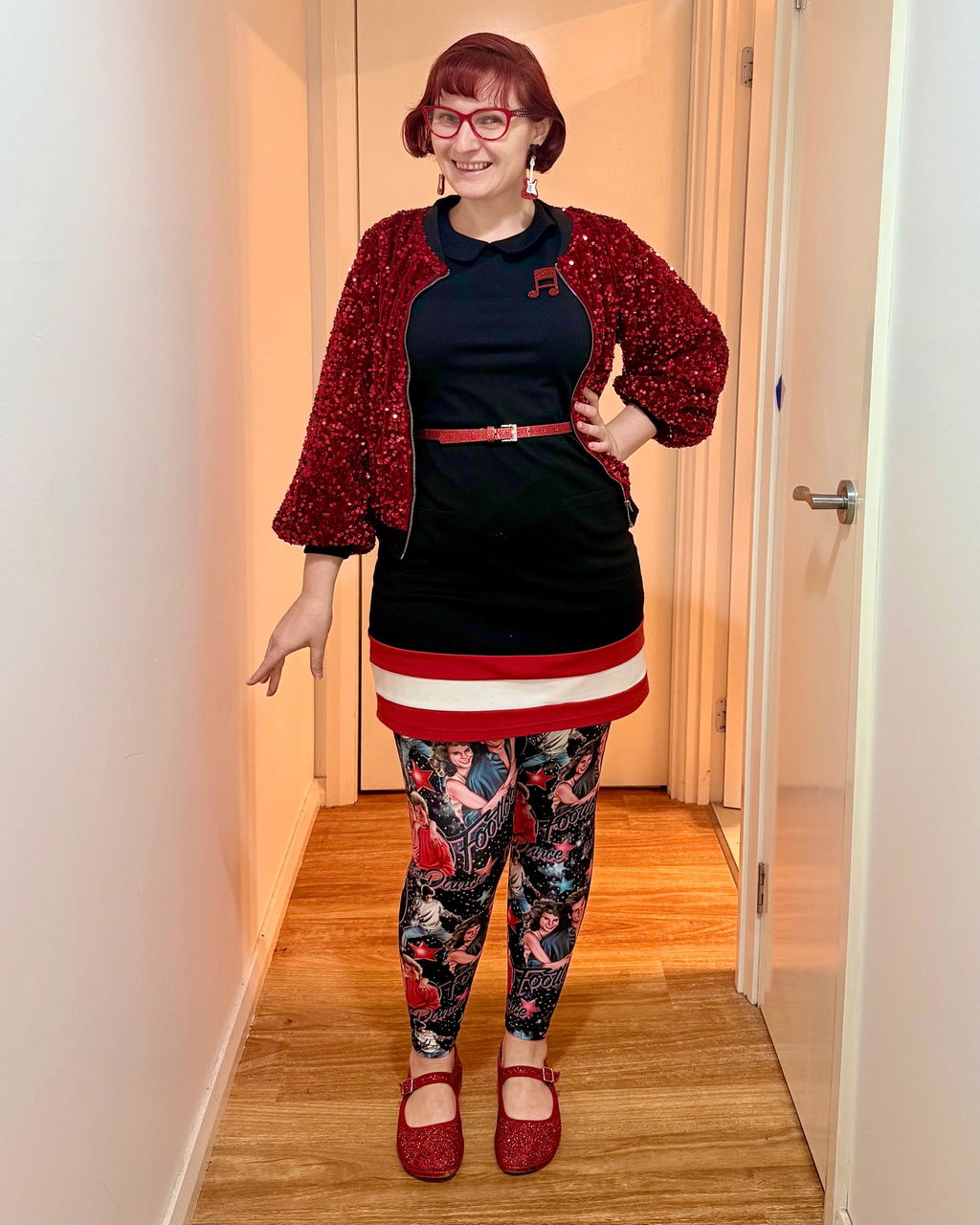
- Leggings that hold their shape for everyday wear
Tier two, the multipliers: a belt that cinches a soft waist, an open cardigan or duster that creates a vertical line, and a pair of boots or block heels that extend the leg line.
Tier three, the statement: one bold print piece and one vibrant solid, rotated so you never wear both at once.
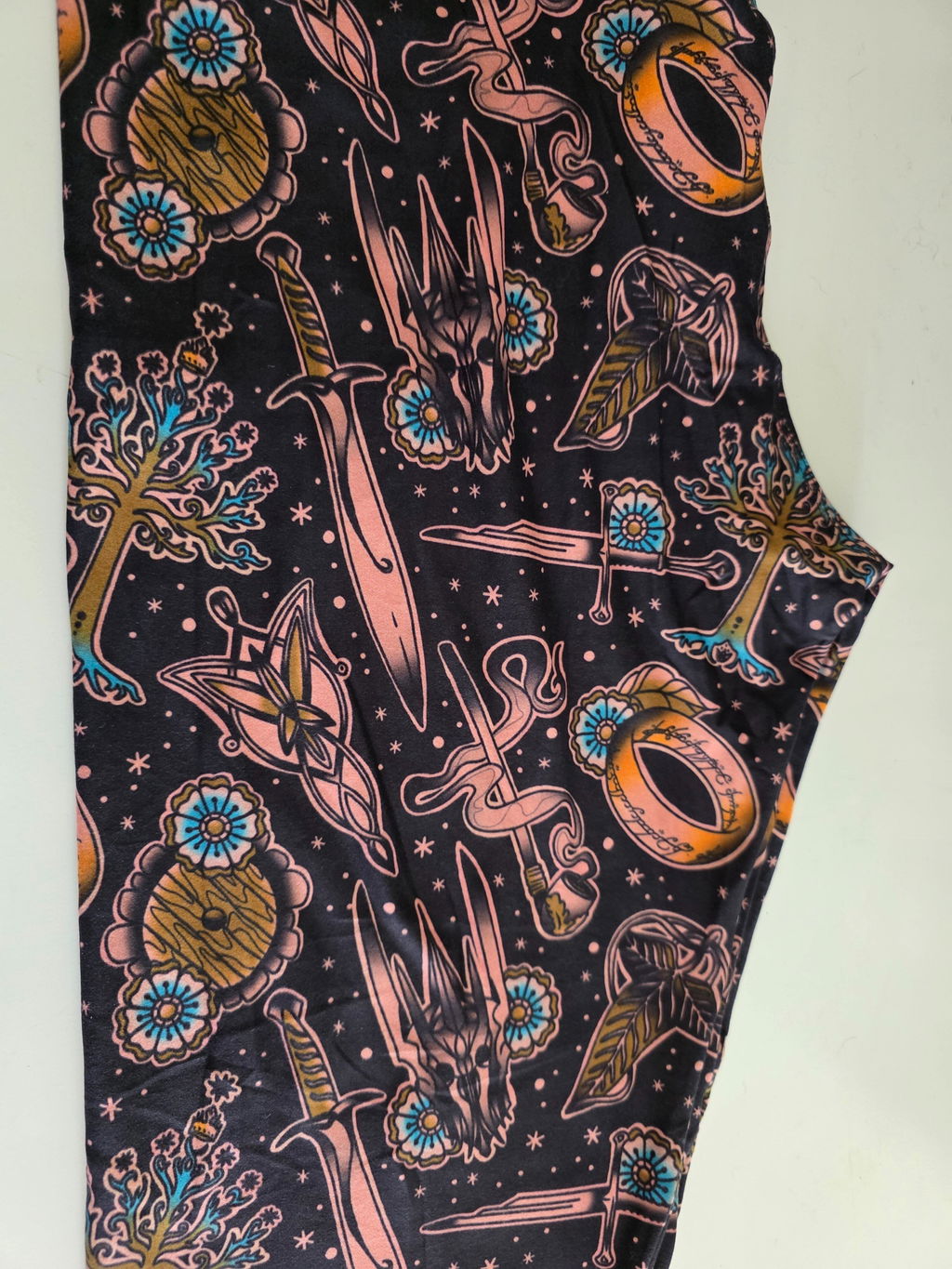
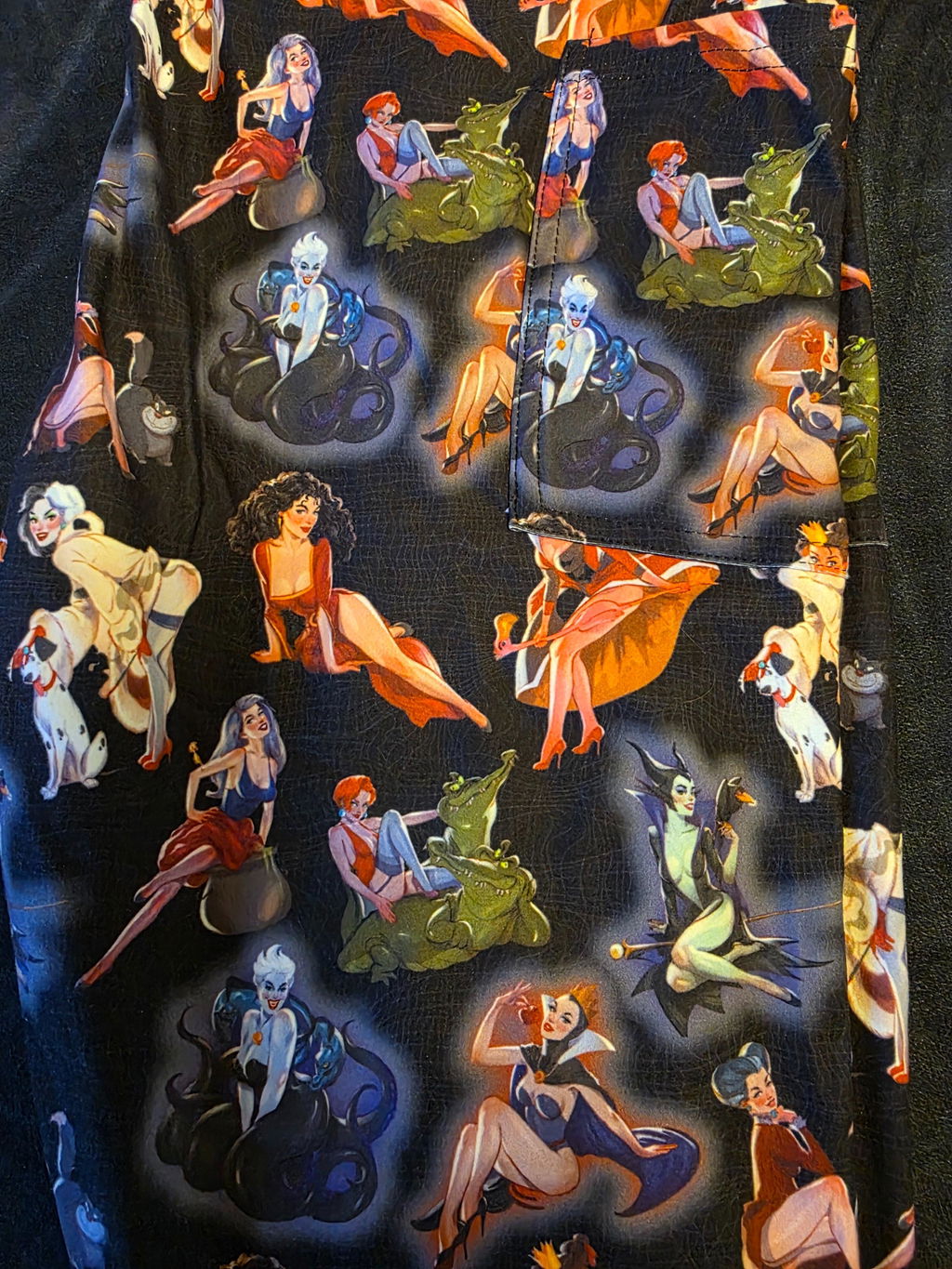
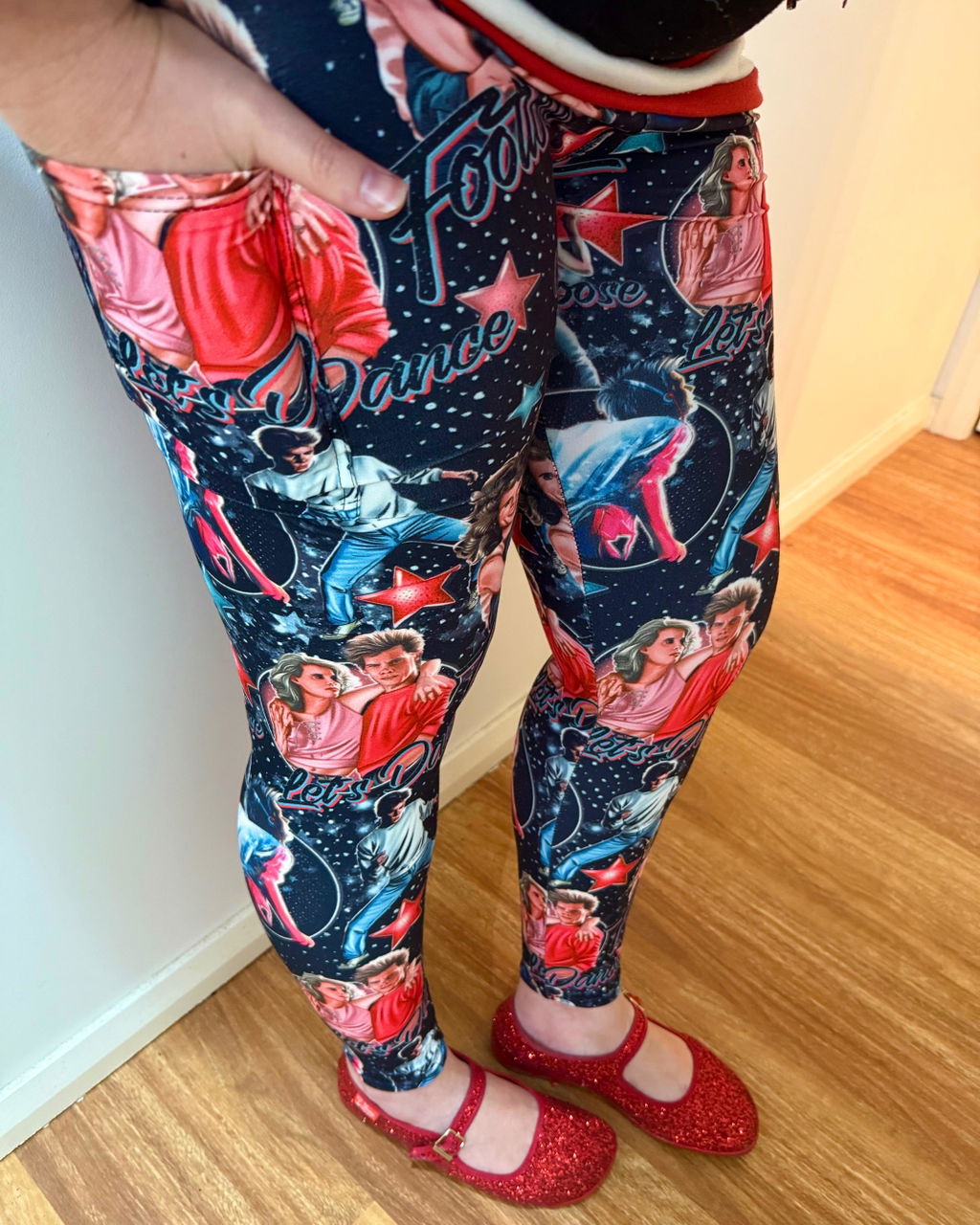
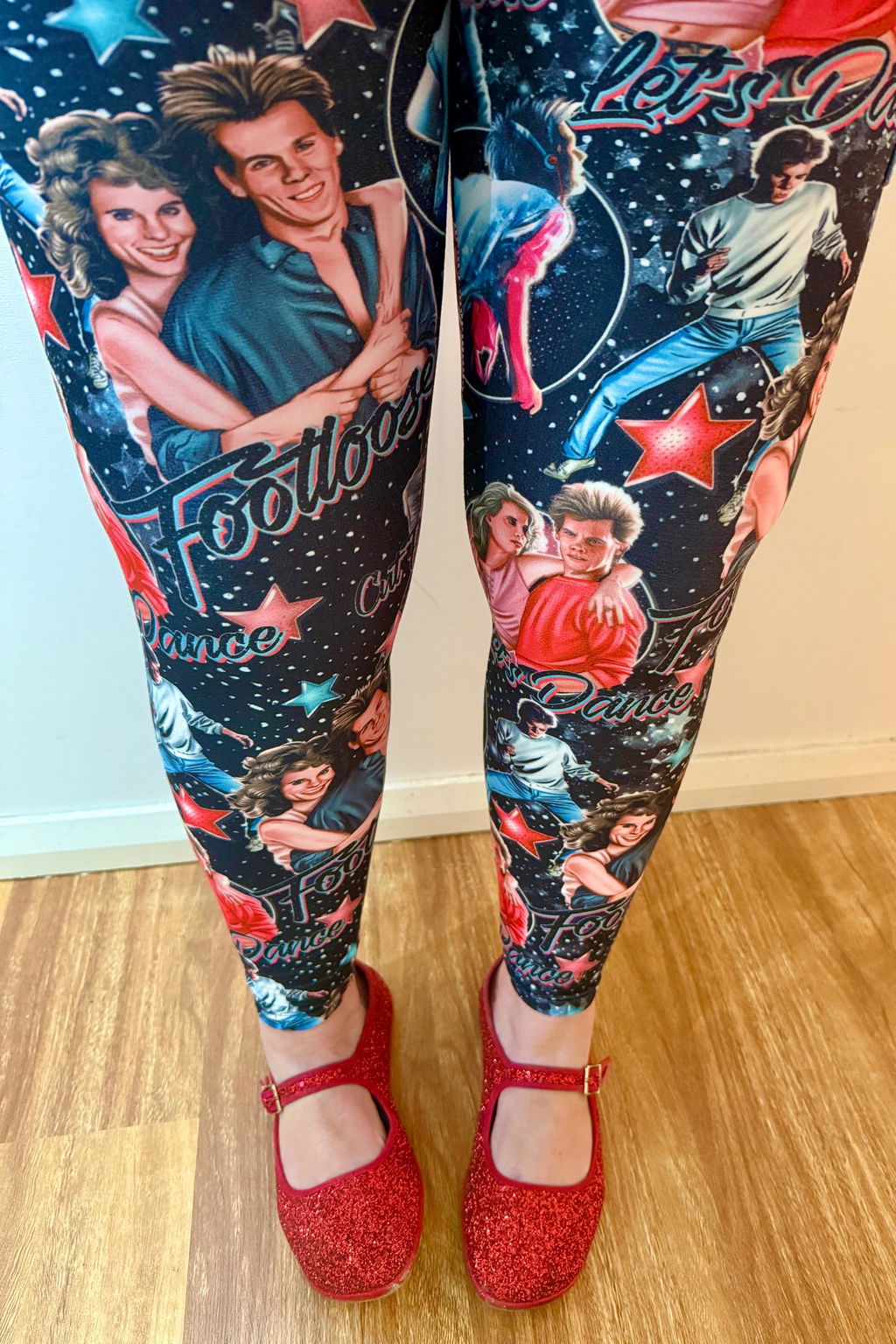
Prints and vibrant colours belong in a capsule, not outside it. A bold print on a wrap dress reads as intentional; the same print scattered across shapeless pieces reads as noise. Choose one statement piece per outfit and keep the rest quiet.
Make It Interchangeable
The test of a working capsule is combination maths. If you own six tops and four bottoms that all share a colour family and a similar formality level, you have twenty-four outfits from ten pieces. The failure mode is buying ten pieces you love individually that share no colour or silhouette, which leaves you with ten outfits and nothing to mix. Pick a two-colour neutral base, add one accent, and check that every new piece works with at least three things you already own before it comes home.
For denim specifically, tummy control styles solve a real problem. Our Judy Blue tummy control bootcut jeans (see product link with image above) are cut with a smoothing panel and a bootcut leg that balances fuller hips, which is why they stay one of our most requested fits.
Styling Mistakes That Make Curves Disappear
The biggest styling mistake is dressing to conceal rather than to fit. Oversized everything, head-to-toe dark colours and stiff fabrics all erase the very shape you're trying to work with.
Watch for these:
- Shapeless layers. A tent-shaped top over wide trousers hides your waist entirely.
- Wrong undergarment. A bra that doesn't lift drags the whole silhouette down.
- Ignoring your shape. Buying for the size tag instead of your proportions undoes everything else.
- All-over volume. Volume on top and bottom with nothing cinched reads bulky.
- Skipping alterations. An unhemmed trouser puddling at the ankle shortens your leg line.
The fix isn't more rules. It's fit, structure and one deliberate focal point per outfit.
Frequently Asked Questions
What kind of clothes are flattering for curvy body types?
Start with pieces that follow your shape rather than hiding it. A wrap dress cinches at the waist and opens at the neckline, which balances a fuller bust. High-waisted jeans with tummy control smooth the midsection and hold their shape through the day. A pencil skirt in a heavy fabric skims instead of clinging. The common thread is structure: garments that define your waistline and hold a silhouette rather than hanging shapeless from the shoulder.
What are the best fabrics for curvy silhouettes?
Look for fabrics with weight and recovery. Ponte, ponte roma, heavy jersey, and stretch denim with a high cotton content drape over curves without gripping them. Natural fibres like cotton, viscose and bamboo breathe well, which matters in warmer months. Avoid thin, single-knit cotton that stretches out at the knee and elbow, and stiff fabrics with no give. A quick test: stretch the fabric gently and let go. If it springs back to shape, it will hold up on a curvy figure.
How do I choose clothes that highlight my waist?
Define the narrowest point of your torso and build the outfit around it. Belt a longline cardigan or tunic at that point, tuck a soft top into high-waisted jeans, or choose a wrap dress that ties at the side. Avoid boxy, straight-cut tops that fall past the hip, because they erase the waistline entirely. If you prefer looser layers, add a structured outerwear piece, such as a belted trench or a cropped jacket that ends at the waist, to create shape without clinging.
How can I build a versatile wardrobe for a curvy shape?
Start with ten to twelve pieces that mix and match. Include one pair of well-fitting jeans, a pencil skirt, a wrap dress, two plain tops in neutral tones, one structured blazer, a longline cardigan, a pair of tailored trousers, and one statement print piece. Choose a consistent colour palette so everything works together. Then add prints and vibrant colours through accessories and single items. This approach keeps costs down and means every piece earns its place in your wardrobe.


Dejar un comentario