

Table of Contents
- Why Choose Unique Custom Design Clothing?
- How to Choose High-Quality Fabrics for Custom Apparel
- The Benefits of Made-to-Order Clothing
- Exploring Ethical Custom Clothing Brands
- A Look Inside Our Custom Design Leggings Range
- How to Design Your Own Custom Apparel
- Caring for Your Custom Pieces
- Conclusion: Start Your Custom Clothing Journey
- Frequently Asked Questions
Last Updated: September 9, 2026
Why Choose Unique Custom Design Clothing?
Finding unique custom design clothing in Australia that actually fits well and lasts beyond a few washes can feel like a treasure hunt. Most mass-produced apparel follows the same predictable patterns, leaving you with a wardrobe that looks like everyone else's. Custom design clothing is different: it starts with artwork you won't see replicated on every high street, printed or cut to celebrate your individual style rather than dilute it.
At Sandee Rain Boutique, we've built our entire collection around this idea. Our exclusive prints are selected from artists around the world and transformed into uniquely Australian-inspired pieces, from playful echidnas to vibrant fairy wrens. When you choose custom apparel, you're not just buying a garment; you're wearing a conversation starter that expresses something personal. It also means the design has been thoughtfully placed and colour-matched to the fabric, so the finished piece looks intentional and polished, not like an afterthought.
How to Choose High-Quality Fabrics for Custom Apparel
The fabric determines whether your custom piece feels luxurious or ends up in the back of the drawer. High-quality fabrics for custom apparel start with the fibre blend and the fabric weight, both of which affect drape, durability, and comfort.
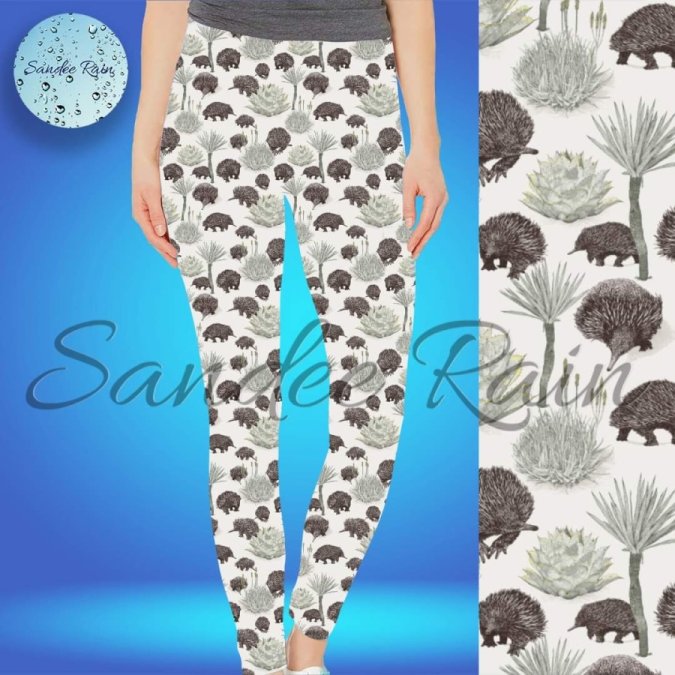
Sandee Rain Designs Custom Leggings - Echidna Playground
A common mistake is assuming all stretch fabrics perform the same. Look closely at the composition: a blend like 92% polyester and 8% spandex, brushed on the inside, delivers that sought-after buttery-soft feel while retaining shape. Brushed fabrics trap warmth, making them ideal for loungewear and leggings. Fabric weight matters too; heavier fabrics hold their structure and resist transparency, while lighter options suit layering.
Also consider the print method. Direct to garment printing works beautifully on premium cotton, while textile printing on synthetic blends requires different techniques to prevent fading. Always check whether the brand provides clear care guidance, because a quality print on a quality base will stay vibrant for years when washed correctly.
The Benefits of Made-to-Order Clothing
Made-to-order clothing flips the fast-fashion model on its head. Instead of producing thousands of identical garments and hoping they sell, brands create pieces only when you order them. The benefits of made-to-order clothing extend far beyond reducing waste.
This approach means your size is actually in stock. Sandee Rain Boutique designs across inclusive sizing, from OS fitting sizes 8-14 through TC and TC2 options that genuinely accommodate curvier body shapes, rather than simply scaling up a straight-size pattern. You also avoid the disappointment of a beloved print selling out forever; made-to-order often allows for replenishment.
For the environment, made-to-order supports sustainable fashion principles by minimising overproduction. For you, it means fresher stock that hasn't sat in a warehouse for months. The trade-off is a slightly longer turnaround time compared to grabbing something off a rack, but most customers find the wait worthwhile for a piece that fits properly and reflects their personality.
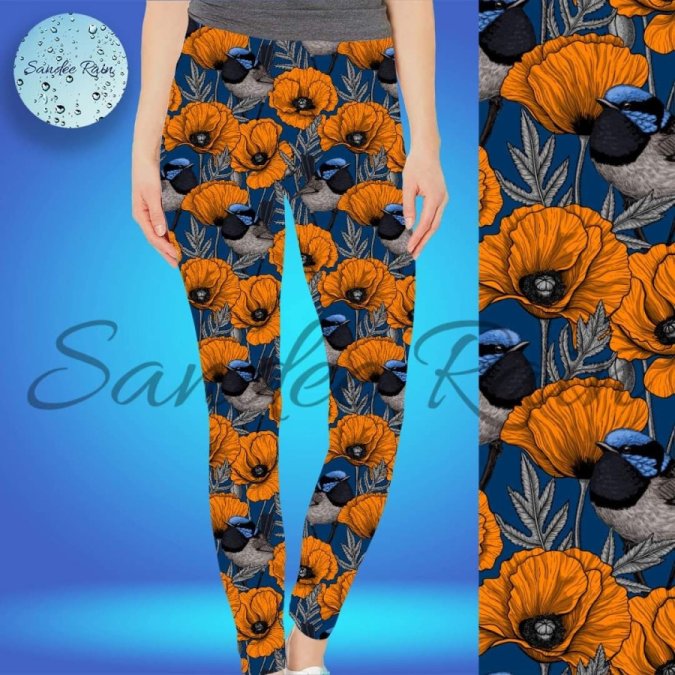
Sandee Rain Designs Custom Leggings - Fairy Wren Poppy
Exploring Ethical Custom Clothing Brands
Ethical custom clothing brands prioritise people and the planet alongside profit. When you're exploring options, look beyond marketing language and ask practical questions about how garments are produced and by whom.
Transparency is the clearest signal of an ethical brand. Does the company discuss its fabric sourcing, production runs, and packaging choices? Sandee Rain Boutique focuses on cruelty-free items and ethically made products, with designs selected from artists around the world and produced in a way that respects both the creators and the wearers. Customer reviews frequently mention the personalised service and the care taken with each order, indicators of a business that values relationships over volume.
Australian Consumer Law protects your purchase, but ethics go beyond legal compliance. Consider whether the brand offers inclusive sizing, durable construction that reduces replacement cycles, and whether the designs celebrate rather than appropriate local culture. A truly ethical brand wants you to love the piece for years, not discard it after a season.
A Look Inside Our Custom Design Leggings Range
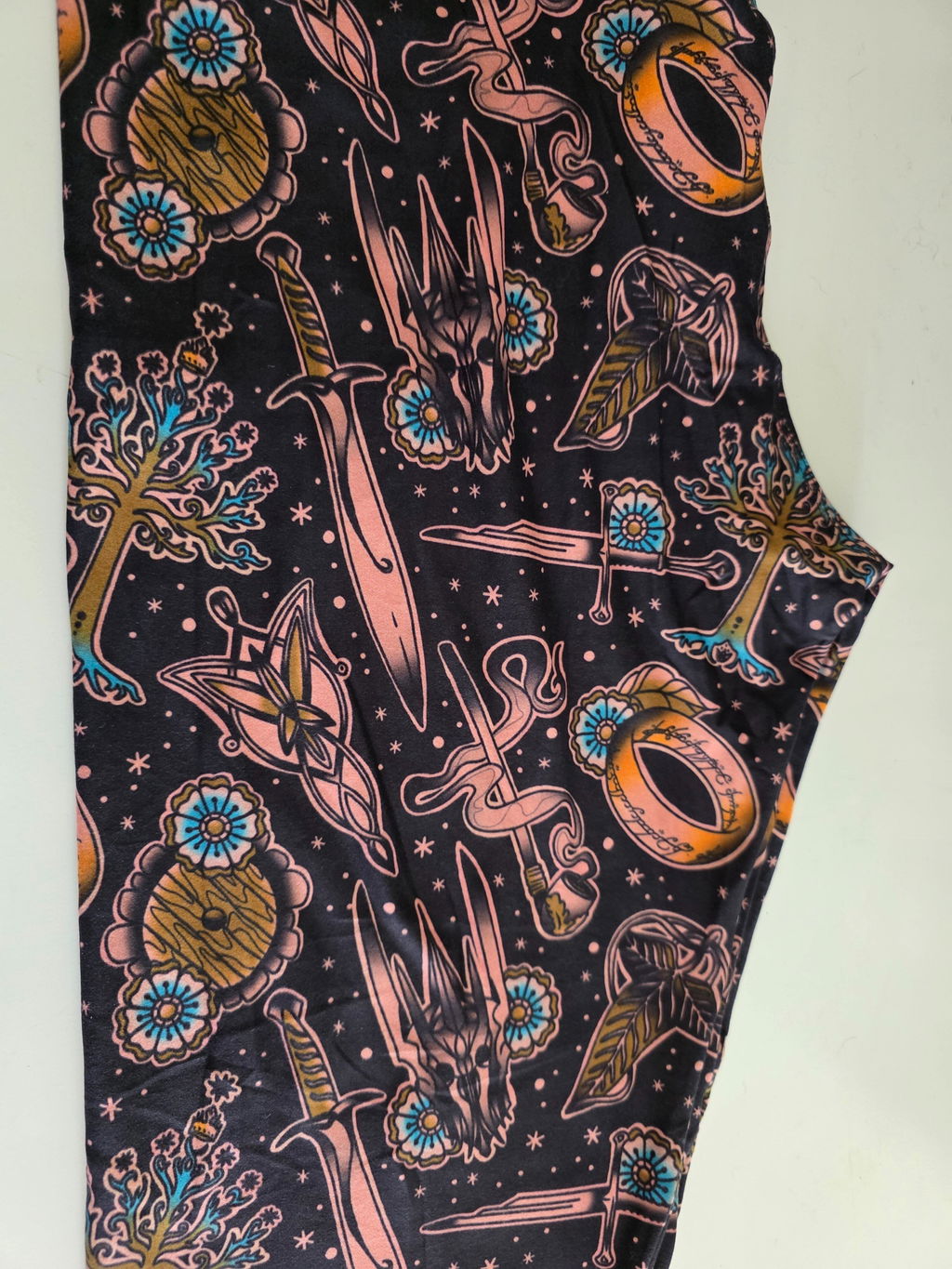
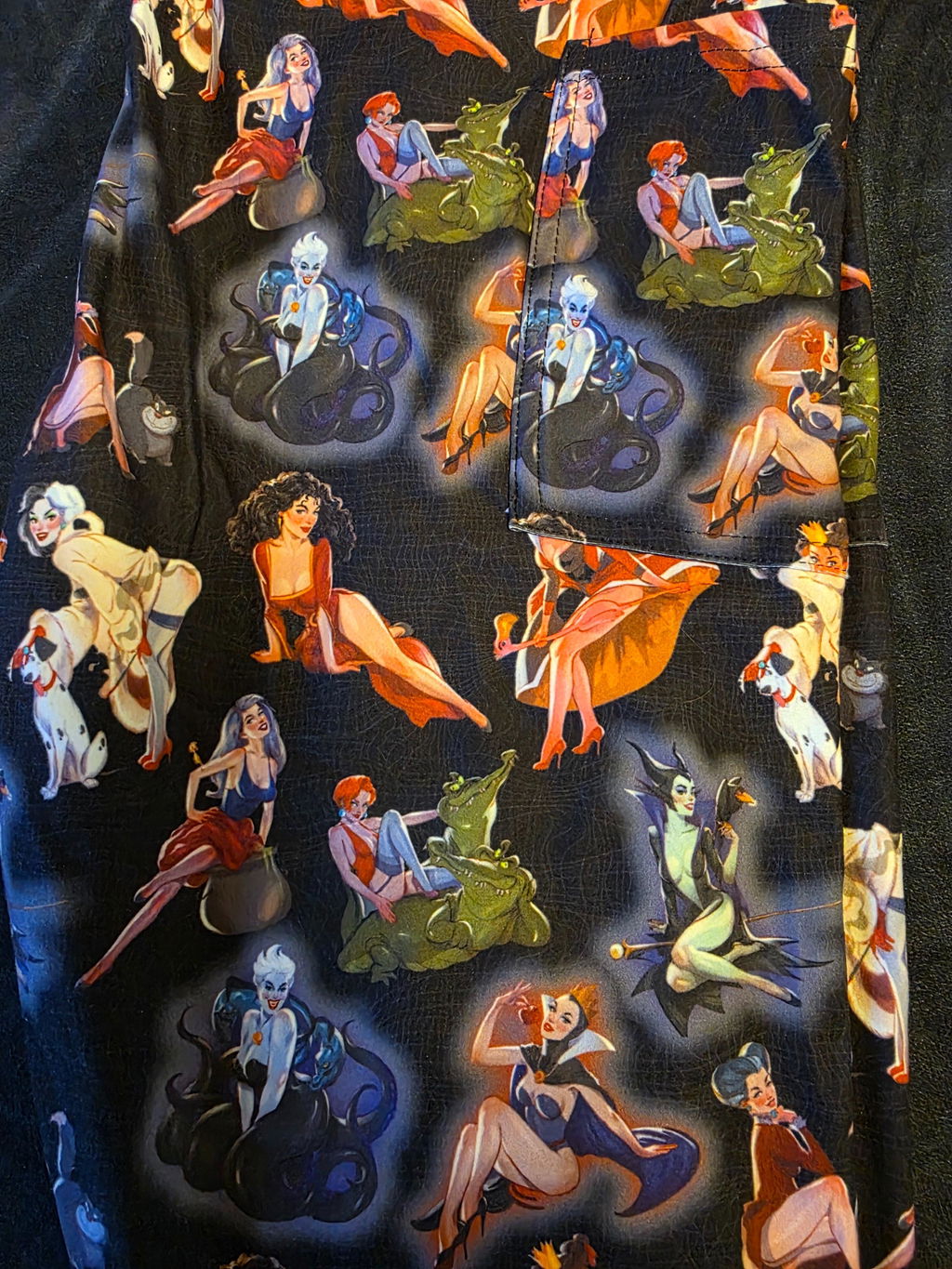
Our custom design leggings range showcases everything we believe about unique custom design clothing. Each pair starts with exclusive artwork, selected from global artists and transformed into vibrant, Australian-inspired prints you simply won't find elsewhere.

Custom Design Leggings - Australian Hearts
For a touch of festive charm, the Custom Design Leggings - Australian Hearts blends kangaroos and koalas with heart motifs at $60.00. Each pair is custom made to our specifications. The colours are rich, the fabric holds its softness wash after wash, and the fit flatters real bodies.
The Sandee Rain Designs Custom Leggings - Aussie Animal Galaxy features native animals scattered across a starry night sky, complete with the Southern Cross constellation. Priced at $50.00, these leggings are crafted from 92% polyester and 8% spandex with a brushed, buttery-soft finish. Sizing is genuinely inclusive: OS fits sizes 8-14, TC fits 16-22, and TC2 fits 22-28, plus kids' sizes.

How to Design Your Own Custom Apparel
Designing your own custom apparel is simpler than you might think, but the difference between a print that looks professional and one that looks pixelated often comes down to how you prepare your digital artwork. While browsing a brand's design library is straightforward, uploading your own creation requires a basic understanding of a few technical specifications.
Shop Custom Design Clothing at Sandee Rain Boutique →
Step 1: Choose Your Base Garment
Start by deciding what you want to wear. Are you after loungewear like leggings or joggers, or something for layering like a hoodie or dress? The fabric and fit of the base garment will influence how your design looks and feels. For instance, a highly detailed design might get lost in the texture of a heavy fleece, whereas it will pop on a smooth, brushed poly-spandex legging.
Step 2: Prepare Your Artwork for Print (The Technical Part)
This is where most first-timers stumble. If you are uploading your own image, you need to ensure it meets the printer's technical requirements. Ignoring these will result in a blurry or washed-out final product.
- Resolution (DPI): Your file should be at least 150 DPI (dots per inch) at the physical size you want it printed. For a large print on the back of a hoodie, this means your image needs to be quite large in pixel dimensions. A small, low-resolution image pulled from a website will look pixelated and unprofessional when scaled up. If you are unsure, ask the brand for their specific pixel or DPI requirements before you order.
- Vector vs. Raster: This is a critical distinction. Raster images (like JPEGs or PNGs) are made of pixels and will lose quality when enlarged. Vector images (like SVGs or AI files) are made of mathematical paths and can be scaled to any size without losing sharpness. For text, logos, and simple graphics, a vector file is always the best choice. For complex, painterly artwork like a watercolour design, a high-resolution raster file is acceptable.
- Colour Modes (CMYK vs. RGB): Your computer screen displays colours using RGB (Red, Green, Blue). Printers use CMYK (Cyan, Magenta, Yellow, Black). Sometimes, a vibrant colour on your screen can look duller when printed because the RGB gamut is wider than CMYK. Most printing services will convert your file automatically, but designing in CMYK from the start gives you a more accurate preview of the final colour result.
Step 3: Select a Print or Theme
If you are not uploading your own artwork, browse the brand's design library. Look for collections that resonate with your personality, whether that is a bold native animal print or an abstract pattern. Consider the placement of the design on the garment and how it will interact with seams and pockets.
Step 4: Pick Your Size Range
This is more than just picking a small, medium, or large. Check the size chart meticulously. A brand that offers dedicated curvy or plus-size cuts (often labelled as TC or TC2) rather than just scaling up a straight-size pattern will provide a significantly better fit. Look for measurements of the waist, hips, and inseam to ensure the garment will flatter your body shape.
Step 5: Review the Mockup and Place Your Order
Most brands provide a digital mockup of your design on the garment. Remember that computer monitors can vary in colour calibration, so the mockup is a guide, not a perfect representation of the final print. Check the product description for any notes on colour representation. Once you are happy, place your order and note the stated turnaround time for made-to-order pieces, which typically ranges from a few days to a couple of weeks.
Caring for Your Custom Pieces
Your custom apparel will stay vibrant and soft with the right care routine. The most important rule is to wash inside out in cold water, which protects the printed design from friction and heat damage. However, the specific care required often depends on the printing method used to create your garment.
Understanding Your Print Type
Different printing techniques have different vulnerabilities.
- Direct to Garment (DTG): This method prints water-based inks directly into the fabric fibres. It produces a soft, breathable print that is ideal for cotton garments. DTG prints are durable but can be susceptible to fading over time if exposed to harsh detergents or high heat. Washing inside out in cold water is crucial to protect the print surface from abrasion.
- Sublimation Printing: This technique uses heat to turn ink into a gas that bonds permanently with polyester fibres. The print becomes part of the fabric itself, meaning it will never crack, peel, or fade. This is why vibrant, all-over prints on performance fabrics like the 92% polyester and 8% spandex blend used in many custom leggings are so durable. The main enemy of sublimation prints is heat, which can distort the fabric, so always avoid hot washes and high-heat drying.
- Embroidery: While not a print, embroidery requires its own care. Turn the garment inside out and wash on a gentle cycle to protect the threads. Avoid using fabric softeners, as they can leave a residue that dulls the thread's sheen. If you need to iron, never iron directly over the embroidery; iron on the reverse side instead.
Troubleshooting Common Issues
Even with perfect care, you might encounter issues. Here is how to address them:
- Fading: If your DTG print starts to fade, it is often due to detergent build-up or washing in warm water. Switch to a cold-water wash and a detergent free of optical brighteners, which can dull colours over time.
- Cracking: Cracking is usually a sign of heat damage or using a dryer on a high setting. Once cracking starts, it is difficult to reverse, so prevention is key. Always line dry your custom pieces whenever possible.
- Pilling: Pilling on brushed fabrics like poly-spandex is often caused by friction. Wash these items inside out and avoid washing them with heavy items like jeans that have zippers or rough textures.
The Golden Rules of Care
To keep your custom apparel looking its best, follow these simple guidelines:
- Always wash inside out. This is the single most effective way to protect the printed surface.
- Use cold water. Heat is the enemy of both prints and elastic fibres.
- Line dry whenever possible. If you must use a dryer, use the lowest heat setting and remove items while slightly damp.
- Avoid fabric softeners. They can break down spandex fibres and leave a residue on prints. Use a gentle, fragrance-free detergent instead.
- Do not iron directly on the print. If you need to remove wrinkles, iron the garment on the reverse side or use a pressing cloth.
Fabric Type |
Wash Temperature |
Drying Method |
Key Tip |
|---|---|---|---|
Brushed Poly-Spandex (Sublimation Print) |
Cold, inside out |
Line dry preferred |
Avoid fabric softeners and high heat |
Premium Cotton (DTG Print) |
Cold or lukewarm |
Low tumble or line |
Wash with similar colours to prevent dye transfer |
Custom Printed Items (General) |
Cold, inside out |
Line dry |
Protects print longevity and prevents cracking |
Conclusion: Start Your Custom Clothing Journey
Building a wardrobe of unique, comfortable pieces that actually fit and reflect your personality is achievable. The key is choosing brands that prioritise inclusive sizing, ethical production, and quality fabrics over mass-market trends. Made-to-order custom design clothing delivers garments you'll reach for again and again, knowing they were created with care.
Sandee Rain Boutique brings this philosophy to life with exclusive Australian-inspired designs, buttery-soft brushed fabrics, and sizes that genuinely accommodate women of all shapes. With over 800 reviews and a 96% positive rating, our customers consistently praise the quality, fit, and personalised service. When you're ready to experience the difference, explore our custom design leggings collection and find a piece that feels uniquely you. New Custom Preorders are exclusively available in our Facebook VIP Group. Get started with Sandee Rain Boutique and discover clothing that brings colour and joy to your everyday wardrobe.
Frequently Asked Questions
What makes custom design clothing more sustainable?
Made-to-order custom clothing is inherently more sustainable than mass-produced fashion. Because items are only created after you order them, there is less overproduction and waste. This model reduces the amount of unsold stock ending up in landfills. By choosing a made-to-order piece, you are supporting a slower, more thoughtful approach to fashion that values quality and longevity over quantity, which is a core benefit of made-to-order clothing.
How do I choose the right fabric for custom clothing?
Focus on the fabric's weight, stretch, and feel. For leggings, a brushed blend like 92% polyester and 8% spandex offers a buttery-soft feel and excellent recovery, meaning they hold their shape. Check the fabric weight (GSM) for opacity and durability. For other apparel, consider breathability for warmer climates. Always look for detailed fabric descriptions to ensure the material suits your needs and climate.
Are there ethical options for custom apparel in Australia?
Yes, a growing number of ethical custom clothing brands operate in Australia. These brands often focus on small-batch or made-to-order production, ensuring fair labour practices and reducing waste. They also prioritise quality materials that last longer. When choosing a brand, look for transparency about their manufacturing process and fabric sourcing to confirm their ethical claims.
How can I incorporate unique designs into my everyday wardrobe?
Start with a statement piece, like a pair of custom design leggings featuring your favourite Australian animals or a unique artistic print. Pair them with a simple, solid-coloured top and sneakers for a casual look. You can also choose custom designs for loungewear that transition from home to errands, adding a personal and vibrant touch to your daily comfort without needing a complete wardrobe overhaul.


Dejar un comentario