



Table of Contents
- Why Sustainable Fashion Is Worth It: The Real Cost of Fast Fashion
- Understanding Cost Per Wear Calculation
- Ethical Labour Practices and Fair Wages
- Environmental Impact: Carbon Footprint and Textile Waste
- How to Build a Capsule Wardrobe That Lasts
- Spotting Greenwashing: What Actually Makes a Brand Sustainable
- Sustainable Clothing Brands in Australia 2026
- Caring for Your Clothes: Extend Life, Reduce Waste
- Frequently Asked Questions
Last Updated: September 3, 2026
Why Sustainable Fashion Is Worth It: The Real Cost of Fast Fashion
The average person throws away 81 pounds of clothing every year. Fast fashion has trained us to see clothes as disposable, to chase trends, and to replace perfectly good garments because they've been "done" for a season.
But here's what most guides miss: why sustainable fashion is worth it isn't really about the planet. It's about your wallet, your time, and how you actually feel in what you wear. At Sandee Rain Boutique, we've watched customers discover this truth firsthand. They realise that investing in quality, ethically made clothing isn't a sacrifice, it's the smartest financial and emotional decision they can make.
The shift from fast fashion to sustainable choices creates a ripple effect. Your wardrobe becomes smaller but infinitely more versatile. Your mornings get easier. Your guilt disappears. And your bank account stops haemorrhaging money on things you'll wear three times.
This guide breaks down the real economics of sustainable fashion, shows you how to spot greenwashing, and gives you practical strategies to build a wardrobe that actually lasts.
Understanding Cost Per Wear Calculation
Cost per wear is the metric that changes everything. Divide the price of an item by the number of times you'll actually wear it. A $200 coat you wear 100 times costs $2 per wear. A $40 shirt you wear five times before it falls apart costs $8 per wear.
Sustainable pieces typically use better fabrics, stronger construction, and timeless designs, meaning they stay in rotation for years. A classic linen shirt from an ethical brand might cost $85, but if you wear it 150 times across five years, that's 57 cents per wear. A fast fashion equivalent at $25 might seem like a win until it shrinks after three washes and you've worn it 12 times, that's $2.08 per wear.
The calculation forces you to think differently about shopping. You stop asking "Can I afford this?" and start asking "Will I wear this enough to justify the cost?" When you apply cost per wear to your entire wardrobe, sustainable fashion stops looking expensive. It looks like the only sensible choice.
:::pro Track your cost per wear for items you already own. Your favourite pieces, the ones you've worn dozens of times, likely have the lowest per-wear cost, even if they were pricey upfront. :::
Ethical Labour Practices and Fair Wages
The person who made your clothes has a story. Fast fashion doesn't want you to know it.
Ethical labour practices mean workers are paid a living wage, work reasonable hours, and operate in safe conditions. When a brand commits to ethical production, costs go up because the system is actually working. A worker earning a fair wage can afford food, shelter, and healthcare. They're not trapped in a cycle of poverty created by an industry that treats them as disposable as the clothes they make.
Sustainable brands often provide transparency reports showing factory locations, worker conditions, and wage information. Some pursue certifications like Fair Trade certification standards that verify ethical practices. This transparency is rare in fast fashion, where supply chains are deliberately obscured.
When you buy from a brand committed to fair wages, you're voting with your money. At Sandee Rain Boutique, we're transparent about our ethical commitments. Our products are made with care for both the people creating them and the customer wearing them.
Environmental Impact: Carbon Footprint and Textile Waste
Fast fashion produces roughly 92 million tonnes of textile waste annually. That waste ends up in landfills, where synthetic fabrics take decades to decompose. Meanwhile, production continues, consuming massive amounts of water, chemicals, and energy.
Sustainable fashion addresses this at multiple points. Organic and natural fabrics reduce chemical pollution. Ethical manufacturers implement waste reduction practices. Timeless designs mean clothes stay in wardrobes longer, reducing demand for new production. When sustainable pieces reach end-of-life, many brands offer take-back programs or use biodegradable materials.
The carbon footprint of a garment depends on its lifespan. A fast fashion item worn five times has a massive carbon footprint per wear. A sustainable piece worn 200 times distributes that impact across far more wears, making the per-wear carbon cost negligible compared to disposable alternatives.
Choosing sustainable fashion means reducing your direct participation in environmental degradation.
How to Build a Capsule Wardrobe That Lasts
A capsule wardrobe is a collection of essential pieces that work together to create multiple outfits. It's the opposite of fast fashion's "more is more" approach. You curate fewer items that are versatile, high-quality, and aligned with your personal style.

Coalition LA Zip Up Cropped Bomber Jacket
Start by identifying your lifestyle. Your capsule should reflect how you actually live, not how you think you should live. Next, choose a colour palette. If you choose warm neutrals (cream, tan, caramel), add warm jewel tones. If you prefer cool neutrals (grey, black, white), add cool accent colours. This creates natural cohesion without conscious effort.
Quality is non-negotiable. Sustainable brands specialise in fabrics that improve with wear, linen softens, quality cotton becomes more comfortable, and natural fibres breathe better over time.
A functional capsule typically includes:
- 2-3 neutral bottoms (jeans, trousers, skirt)
- 4-5 tops in neutrals and accent colours
- 1-2 layering pieces (cardigan, blazer)
- 1-2 dresses
- Outerwear appropriate to your climate
- Accessories that work across multiple outfits
Each new piece you add multiplies outfit possibilities. You're not accumulating, you're building a system.

Spotting Greenwashing: What Actually Makes a Brand Sustainable
Greenwashing is when a brand uses environmental language and imagery to appear sustainable without backing it up with actual practices. Common tactics include vague language ("eco-friendly," "natural," "conscious"), green packaging that's not recyclable, and claims with zero supporting evidence.
Real sustainability includes specific commitments you can verify: named certifications, published supply chain information, transparent pricing, and consistent practices across the entire brand, not just one collection.
Ask these questions when evaluating a brand:
- Do they publish a sustainability report or transparency information?
- Can you identify where and how products are made?
- Are materials specifically named (organic cotton, recycled polyester, linen)?
- Do they have third-party certifications?
- Is their sustainability story consistent across all products?
- Can you find independent reviews or certifications verifying their claims?
Genuine sustainable brands are often transparent about their limitations. They acknowledge where they're still working on improvements and provide specific data rather than vague marketing language.
Sustainable Clothing Brands in Australia 2026
Building a sustainable wardrobe means knowing where to shop. The Australian market now includes numerous brands committed to ethical production, quality fabrics, and transparency.
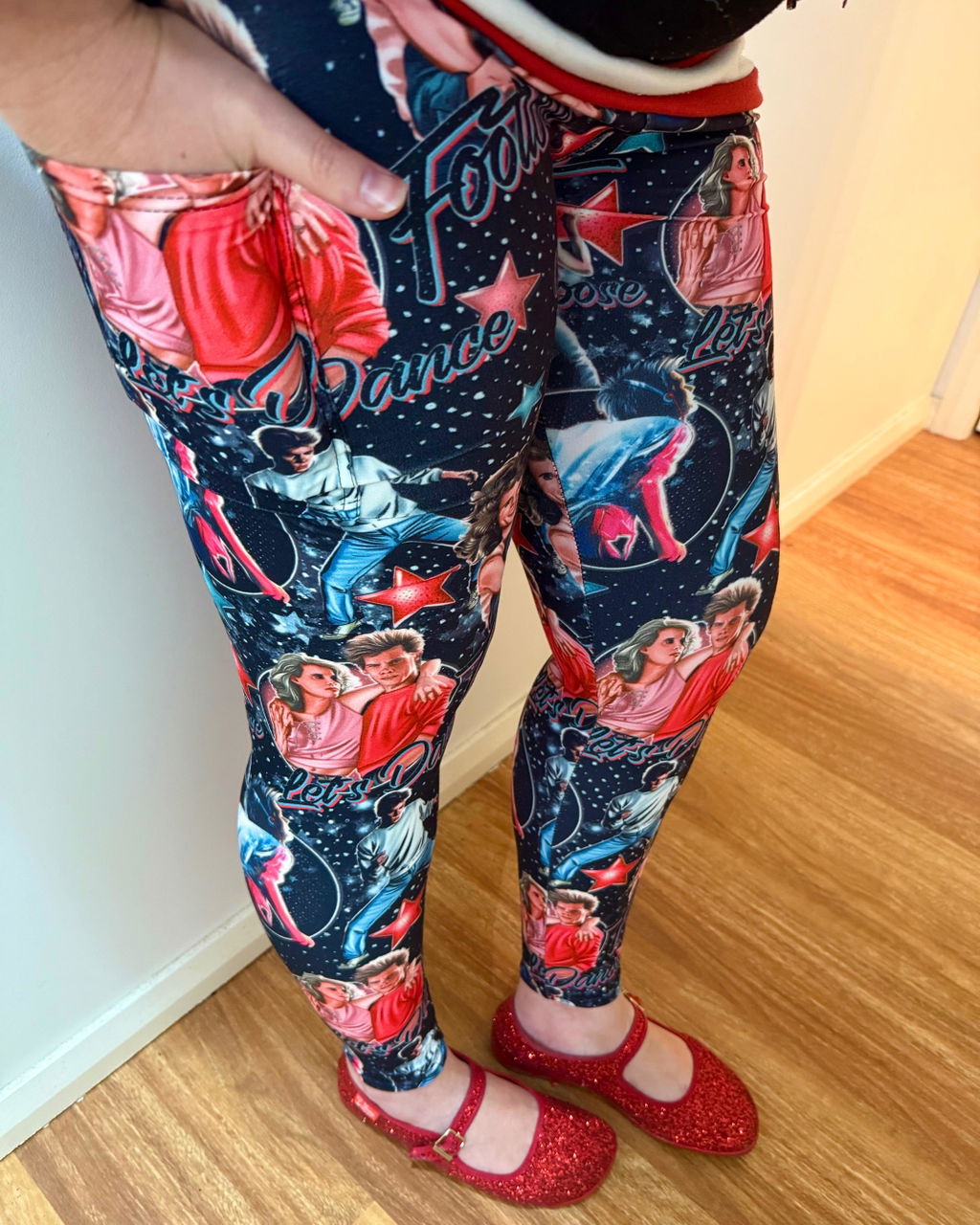
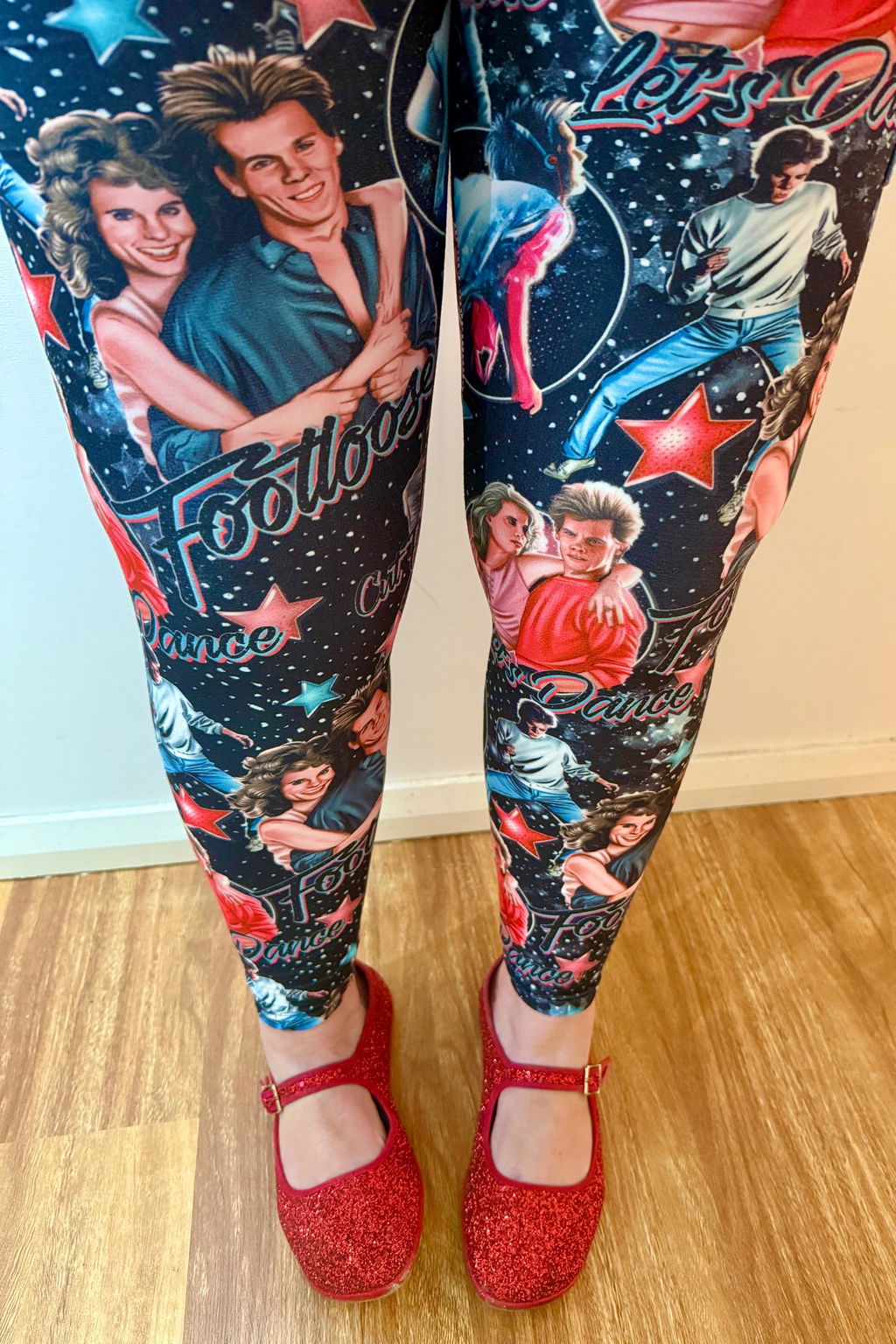
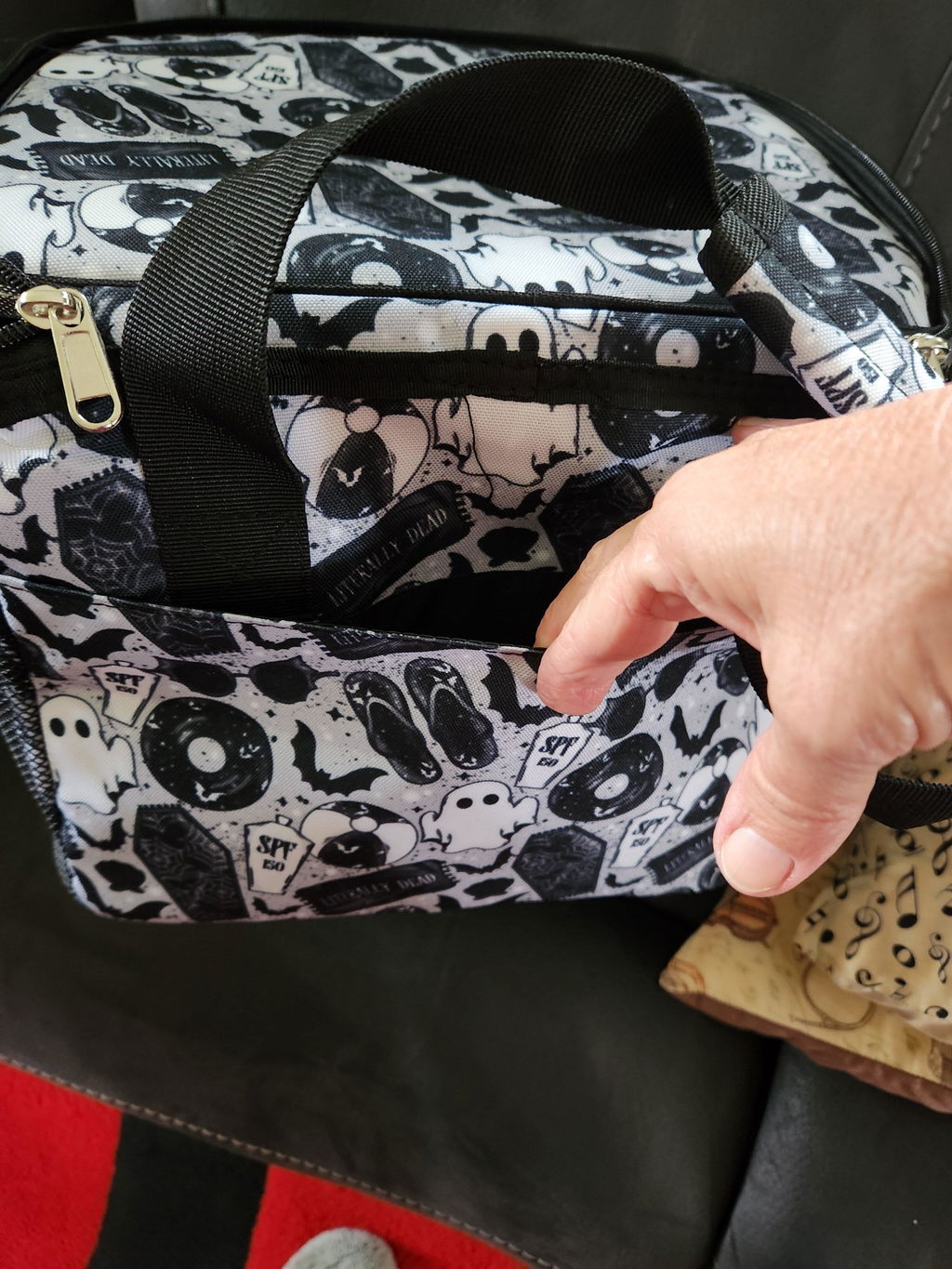
Sandee Rain Boutique stands out for combining ethical production with inclusive sizing and vibrant, unique designs. Every piece is thoughtfully crafted with buttery-soft fabrics and custom designs you won't find elsewhere. The brand prioritises transparency about production, offers personalised customer service, and ensures all items are made ethically. With 813 reviews and a 96% positive rating, customers consistently praise both the quality and the values behind each piece. Whether you're looking for versatile loungewear, stylish dresses, or curated accessories, Sandee Rain Boutique delivers quality that justifies the investment.
Other Australian brands worth exploring focus on organic cotton, recycled materials, or local production. Some specialise in timeless basics designed for longevity. The key is finding brands whose values align with yours and whose transparency you can verify.
When evaluating any brand, check their website for sustainability information, read customer reviews for feedback on durability, and look for certifications. The sustainable fashion market in Australia is growing, giving you more choices, better information, and stronger incentive for brands to maintain ethical practices.
Caring for Your Clothes: Extend Life, Reduce Waste
How you care for your clothes determines how long they last. Proper maintenance can double or triple the lifespan of a garment, dramatically improving cost per wear and reducing your environmental impact.
Wash less frequently than you think you need to. Most clothes don't require washing after every wear. When you do wash, use cold water and a gentle cycle. Turn clothes inside out to protect colours. Air dry whenever possible, tumble drying damages fibres and uses significant energy.
Storage affects longevity. Fold heavy knits rather than hanging them. Use wooden hangers for structured pieces. Store seasonal items in breathable containers. Keep clothes away from direct sunlight, which fades colours.
Address damage immediately. A small hole is quick to repair; left alone, it becomes harder to fix. Learn basic mending, sewing a button, closing a seam, patching a hole. These skills take minutes and extend garment life significantly.
When a garment reaches genuine end-of-life, consider its options. Some pieces can be donated or sold secondhand. Others can be upcycled. Textile recycling programs are expanding in Australia. As a last resort, compostable natural fibres can biodegrade, while synthetic materials should go to textile recycling.
Proper care transforms the economics of sustainable fashion. A shirt that lasts five years with proper care costs significantly less per year than one that lasts one year.
The question "Is sustainable fashion worth it?" has only one answer once you run the numbers. It's worth it financially, ethically, and environmentally. The barrier isn't value, it's habit. We've been conditioned to treat clothes as disposable, to shop impulsively, and to prioritise price over everything else.
Breaking that pattern requires intention. It means calculating cost per wear instead of just price. It means researching brands instead of grabbing whatever's on sale. It means caring for clothes properly instead of replacing them constantly.
At Sandee Rain Boutique, we've built our entire approach around this philosophy. Every piece is designed to last, made ethically, and priced to reflect genuine value. Explore our full collection and discover how sustainable fashion transforms not just your wardrobe, but your entire relationship with the clothes you wear. SHOP NOW and join the growing community of conscious consumers who've discovered that sustainable fashion is the smartest investment you can make.
Frequently Asked Questions
What are the main benefits of choosing sustainable fashion?
Sustainable fashion reduces environmental degradation, supports fair wages and ethical labour practices, and offers better durability through quality craftsmanship. By choosing sustainable clothing, you invest in pieces that last longer, reducing the need for frequent replacements. This approach also supports supply chain transparency and conscious consumerism, meaning you know where your clothes come from and who made them. Over time, this results in a smaller environmental footprint and alignment with your values.
How do I calculate cost per wear for sustainable fashion?
Cost per wear divides the garment's price by the number of times you'll wear it. A $150 jacket worn 100 times costs $1.50 per wear, while a $30 fast fashion top worn 5 times costs $6 per wear. Sustainable pieces, though initially more expensive, typically offer superior durability and timeless design, increasing wear frequency. This calculation reveals that investing in quality, ethically made clothing often costs less over time than replacing cheap items repeatedly, making sustainable fashion a financially sound decision.
How can I identify greenwashing in fashion brands?
True sustainable brands provide supply chain transparency, certifications from recognised bodies, and specific details about their ethical labour practices and eco-friendly production methods. Greenwashing brands use vague terms like 'eco-friendly' without proof or hide behind limited sustainability initiatives while maintaining harmful practices elsewhere. Ask for certifications, check their transparency reports, and research their sourcing practices. Genuine brands openly discuss their challenges and improvements, whereas greenwashing relies on marketing language without substance.
Is sustainable fashion accessible on a budget?
Yes. Budget-friendly sustainable shopping means buying fewer, better-quality pieces and focusing on timeless design over trends. Thrift stores, rental services, and upcycling extend your wardrobe affordably. Building a capsule wardrobe of versatile, durable basics reduces the need to buy constantly. While individual sustainable pieces may cost more upfront, the cost per wear becomes lower than fast fashion when you wear items frequently. Prioritising quality and longevity over quantity makes sustainable fashion achievable at any budget.




Leave a comment (all fields required)