



Table of Contents
- Why Ethical Clothing Costs More: The Real Breakdown
- Cost Per Wear Calculation: Why Ethical Pieces Offer Better Value
- Identifying Greenwashing and Ethical Clothing Accreditation
- The True Cost of Fast Fashion vs Ethical Production
Last Updated: August 24, 2026
Why Ethical Clothing Costs More: The Real Breakdown
The price tag on ethical clothing often surprises shoppers. A pair of ethically made leggings might cost more than fast fashion retailers charge. But that sticker shock tells an incomplete story. When you understand what goes into ethical production, fair wages, sustainable materials, quality craftsmanship, and supply chain transparency, the cost becomes justified. At Sandee Rain Boutique, we believe in transparency about why ethical clothing costs more, because informed customers make better choices.
The fundamental difference between ethical and fast fashion comes down to who bears the real cost. Fast fashion externalises expenses onto workers and the environment. Ethical production internalises those costs, which is why the price reflects the true value of the garment.
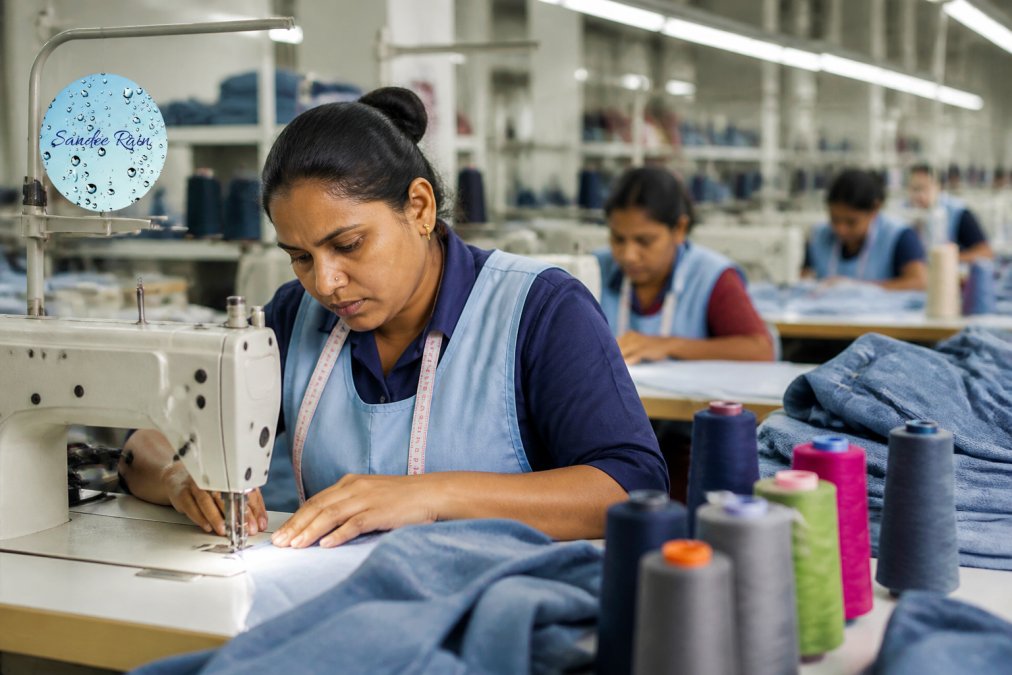
Fair wages and labour practices form the foundation of ethical clothing. Garment workers in ethical facilities earn living wages, enough to cover housing, food, healthcare, and education, rather than poverty wages. Ethical manufacturers also maintain reasonable working hours, safe conditions, and respect workers' rights.
Sustainable materials add another layer. Organic cotton, linen, and wool require farming practices that avoid synthetic pesticides (peer-reviewed research). Recycled polyester and lab-grown alternatives involve significant research and development investment. These materials reduce carbon emissions and waste.
Cost Per Wear Calculation: Why Ethical Pieces Offer Better Value
Cost per wear analysis reveals why ethical clothing delivers better financial value. This calculation divides the purchase price by the number of times you wear the item, showing the true cost of each wearing.
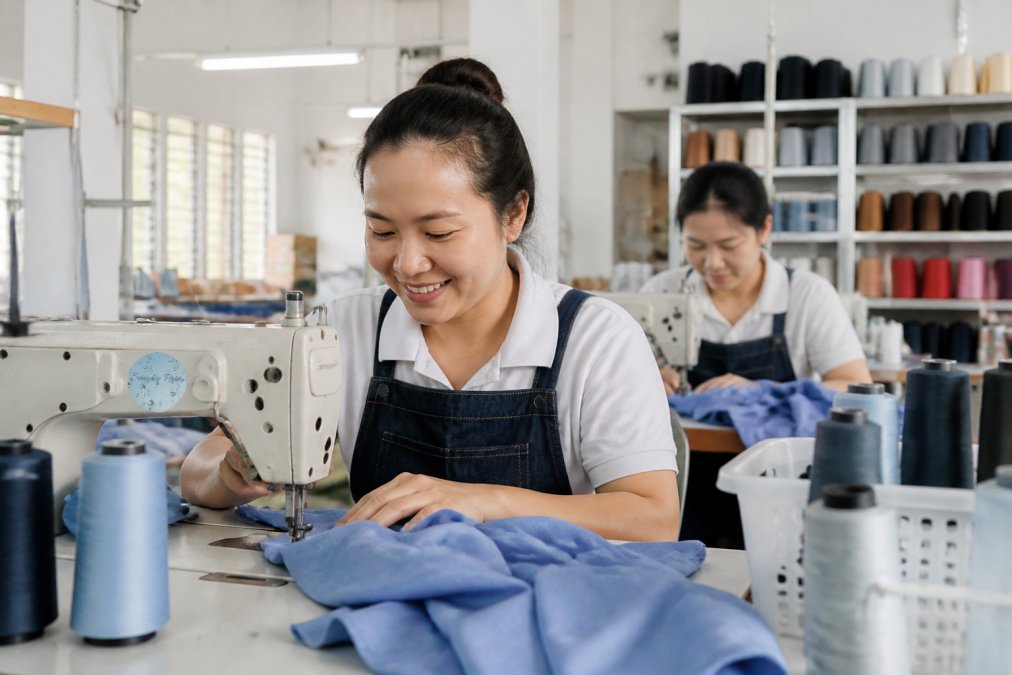
If you buy a fast fashion dress and wear it five times before it falls apart, compare that to an ethical dress you wear many times over several years. The ethical piece becomes dramatically cheaper over its lifetime.
Durability matters enormously. Ethical clothing uses quality craftsmanship, better stitching, and superior fabric construction. Seams don't split, colours don't fade, and fabrics maintain their shape. When you factor in fewer replacements, the financial advantage becomes even clearer.
Identifying Greenwashing and Ethical Clothing Accreditation
Not every brand claiming ethical credentials actually delivers them. Greenwashing, making false or misleading claims about environmental or social responsibility, has become rampant in fashion. Learning to spot genuine ethical clothing protects your wallet and your values.
Legitimate ethical accreditation comes from independent third parties. Look for Fair Trade certification, which verifies fair wages and safe working conditions (fairtrade.net). GOTS (Global Organic Textile Standard) confirms organic fibres are genuinely organic. B Corp certification indicates the company meets rigorous social and environmental performance standards.
Supply chain transparency is the clearest sign of genuine ethical commitment. Brands practising transparency publish information about their factories, wages, and production processes. Vague language like "ethically sourced" without specifics often masks greenwashing.
The True Cost of Fast Fashion vs Ethical Production
Fast fashion appears cheaper because it hides its real costs. Environmental damage, worker exploitation, and landfill waste within months aren't reflected in the price tag.
Ethical production accounts for all costs from the beginning. Fair labour practices mean garment workers can afford to live with dignity. Sustainable materials mean fewer toxic chemicals polluting water systems. Quality construction means less waste and fewer items discarded prematurely.
The environmental footprint of fast fashion is staggering. Mass production, synthetic fibres made from fossil fuels, and rapid disposal create enormous carbon emissions and waste. Ethical production minimises this through conscious material choices and designs intended to last years rather than seasons.
When you buy ethical clothing, you're investing in pieces designed to become part of your life, not temporary wardrobe fillers. This shift from quantity to quality aligns with circular economy principles, keeping garments in use longer and eventually recycling them responsibly.
The price difference between ethical and fast fashion reflects genuine differences in production methods, worker treatment, material quality, and environmental responsibility. Understanding this transforms how you view the cost, not as an expense to minimise, but as an investment in durability, ethics, and value that lasts.
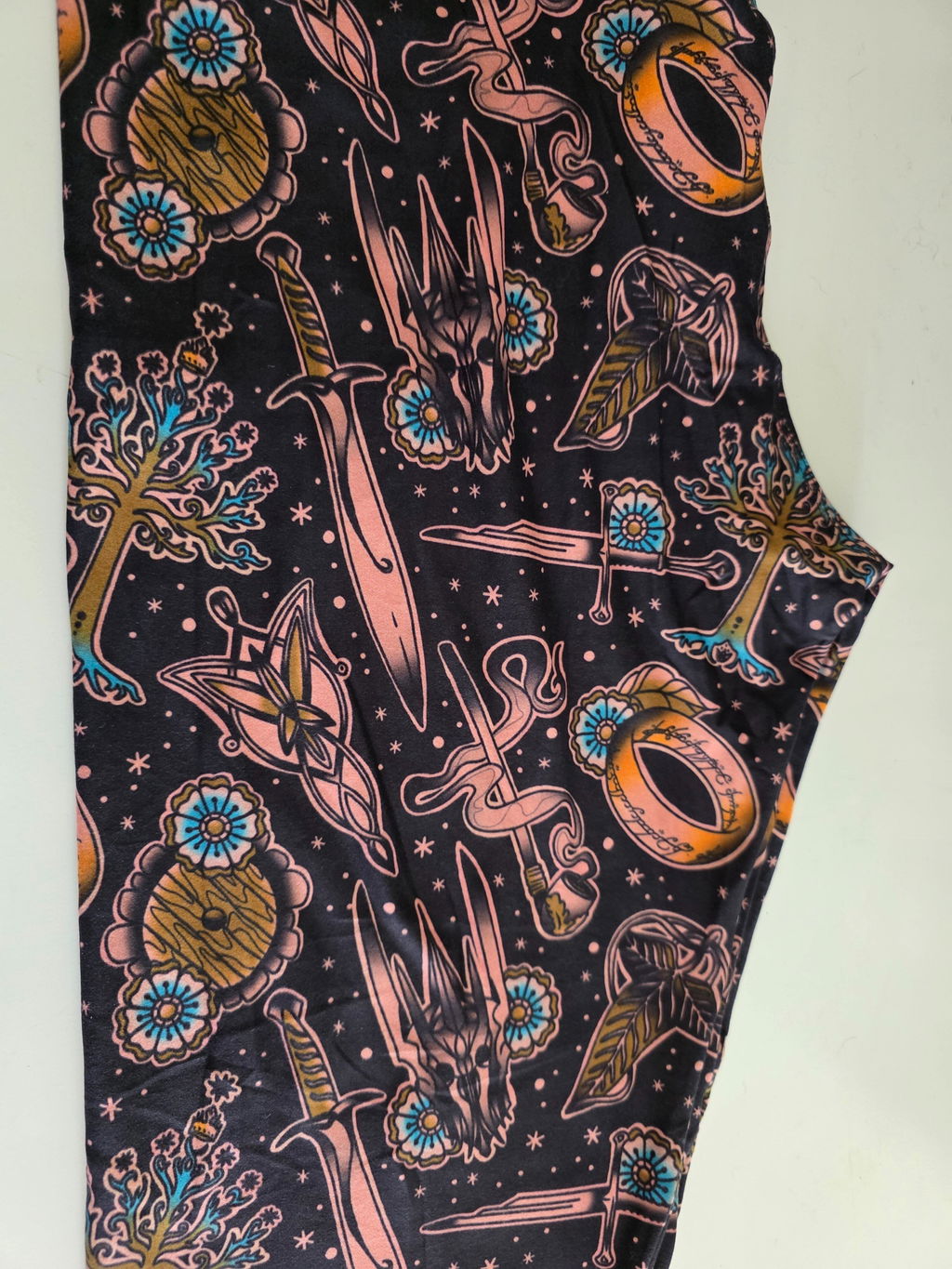
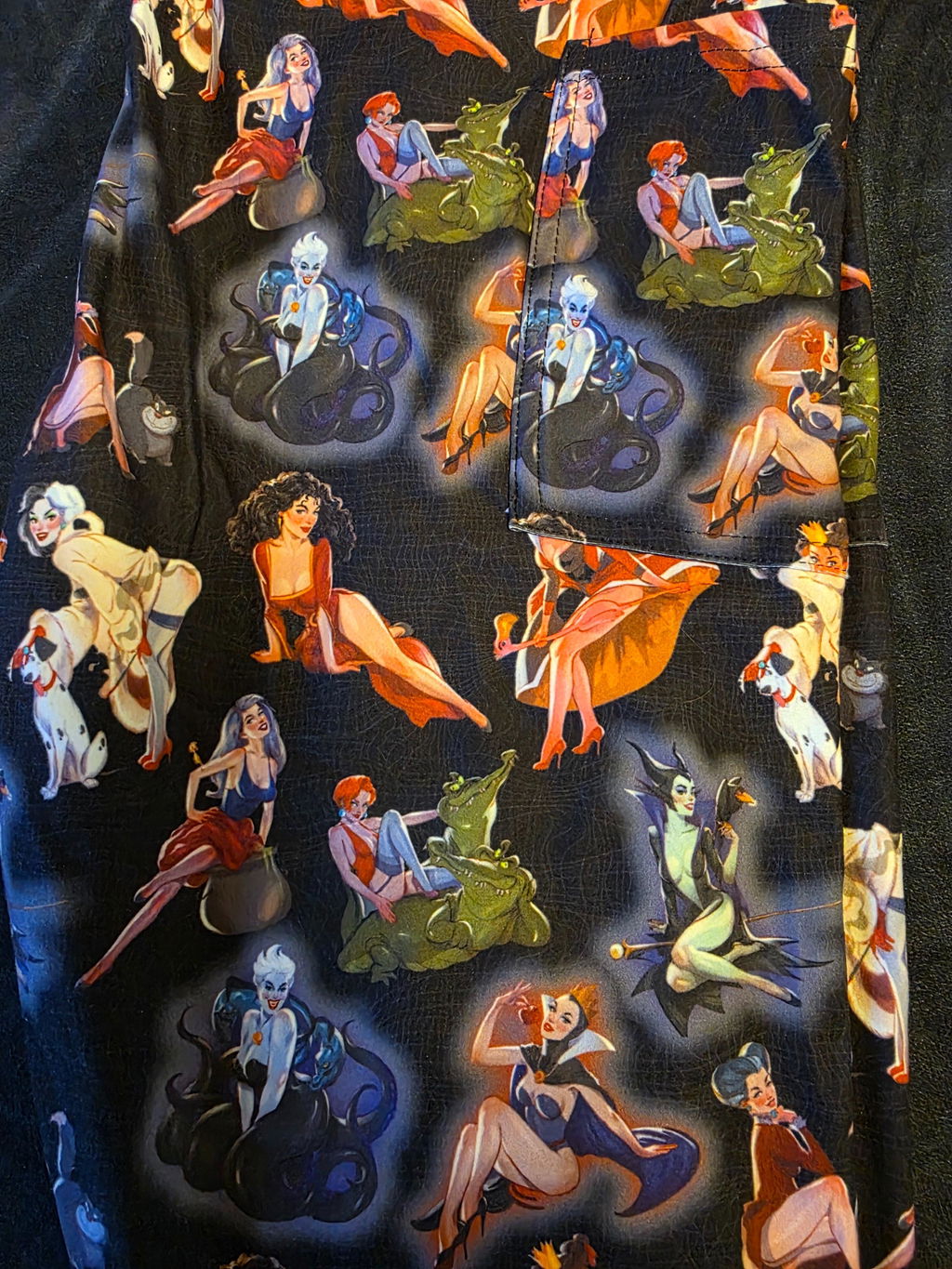
Making the shift toward ethical clothing doesn't require replacing your entire wardrobe overnight. Start by investing in core pieces you'll wear repeatedly. When you choose ethically made items, you're supporting fair labour practices, sustainable materials, and quality craftsmanship that lasts. Sandee Rain Boutique specialises in ethically made loungewear and clothing with exclusive custom designs and buttery-soft fabrics built to last. Shop pieces designed for real life, real bodies, and real values.
Frequently Asked Questions
Q: What is cost per wear calculation and how does it apply to ethical clothing?
A: Cost per wear divides the garment's price by the number of times you'll wear it. An ethical piece worn many times costs less per wear, while a fast fashion item worn fewer times costs more per wear. Ethical clothing often costs more upfront but delivers lower cost per wear through superior durability and longevity, making it a smarter financial investment over time.
Q: How do I identify greenwashing in fashion and spot genuine ethical clothing?
A: Greenwashing uses vague terms like 'eco-friendly' or 'sustainable' without proof. Genuine ethical clothing displays specific certifications (Fair Trade, GOTS, B Corp), publishes supply chain transparency reports, names factories openly, and provides verifiable information about labour practices. Check brand websites for detailed sourcing information and third-party audits rather than relying on marketing claims alone.
Q: Why does ethical clothing cost so much more than fast fashion?
A: Ethical clothing costs more because brands pay garment workers living wages, use high-quality sustainable materials, invest in transparent supply chains, and prioritise durability over volume. Fast fashion cuts corners through mass production, synthetic fibres, minimal worker compensation, and intentional planned obsolescence. The higher price reflects the actual cost of ethical manufacturing; fast fashion prices are artificially low because workers and the environment absorb the hidden costs.




Laisser un commentaire