

Table of Contents
- What Makes Sustainable Clothing Brands Stand Out in 2026
- Ethical Clothing Australia Accreditation: What It Means
-
Top Sustainable Clothing Brands Australia 2026
- 1. Sandee Rain Boutique, Size-Inclusive Ethical Loungewear
- 2. A.BCH, Full Supply Chain Transparency
- 3. Kuwaii, Slow Fashion with Lifetime Repairs
- 4. Citizen Wolf, Made-to-Measure Hemp and Organic Basics
- 5. Vege Threads, 100% Australian-Made Organic Wear
- 6. The Social Outfit, Fashion as a Social Enterprise
- 7. Bhumi, Fairtrade Organic Cotton Essentials
- 8. Hemp Clothing Australia, Durable Natural Fibre Staples
- 9. Boody, Bamboo Everyday Essentials
- Slow Fashion Labels Australia: Which Type Suits You?
- How to Build a Sustainable Wardrobe Without Starting Over
- Which Sustainable Brand Should You Choose?
- Conclusion
Last Updated: August 17, 2026
What Makes Sustainable Clothing Brands Stand Out in 2026
Sustainable clothing brands prioritise ethical manufacturing, transparent supply chains, low-impact materials, and fair worker treatment. This guide from Sandee Rain Boutique shows what separates genuinely responsible labels from greenwashing, and which brands deserve your money in 2026.
The fashion industry generates massive textile waste annually. According to Australian Fashion Council's industry sustainability overview, local demand for ethically made clothing has grown as shoppers recognise the environmental impact embedded in their wardrobes. Below, we'll show you how to identify credible labels, avoid greenwashing, and build a wardrobe that lasts.
Quick Picks:
- Best for size-inclusive ethical loungewear: Sandee Rain Boutique
- Best for supply chain transparency: A.BCH
- Best for social impact: The Social Outfit
- Best for natural fibre staples: Hemp Clothing Australia
- Best for Fairtrade organic cotton: Bhumi
Slow Fashion vs Fast Fashion: The Core Difference
Slow fashion prioritises quality, longevity, and ethical manufacturing over volume and speed. Fast fashion churns out high-volume, low-cost garments through supply chains that underpay workers and generate significant textile waste.
Slow fashion labels typically use natural fibres like organic cotton, hemp, linen, and Tencel, produce in small batches often locally, and charge more upfront, but the cost-per-wear calculation favours them over time.
How to Spot Greenwashing Before You Buy
Greenwashing uses misleading environmental claims to attract conscious consumers without substantive production changes. Watch for vague language like "eco-friendly" without certification, single "sustainable" product lines within conventional fast fashion operations, unverified carbon offset claims, and no disclosure of manufacturing locations or workers.
The most reliable signal of genuine sustainability is traceability: the ability to follow a garment from raw material to finished product. If a brand cannot tell you where fabric was grown and who sewed it, that is your answer.
Ethical Clothing Australia Accreditation: What It Means
Ethical Clothing Australia accreditation verifies that garments sold in Australia are made under fair wages and conditions for all workers, including outworkers. Administered by the Textile, Clothing and Footwear Union of Australia, it requires independent auditing of the entire local supply chain and compliance with Australian workplace laws.
According to Ethical Clothing Australia's accreditation standards, the programme covers all workers from machinists to pressers, regardless of factory or home-based work. This matters because outworkers, predominantly women from migrant and refugee backgrounds, are among the most vulnerable in the garment supply chain.
For shoppers, the Ethical Clothing Australia mark signals genuine local accountability. It works best alongside certifications like Fairtrade or GOTS for brands sourcing fabric or producing offshore.
| Certification | What It Covers | Who Issues It |
|---|---|---|
| Ethical Clothing Australia | Australian supply chain, fair wages, outworker conditions | TCFUA (Australia) |
| Fairtrade | Farmer and worker pay, international supply chain | Fairtrade Australia & NZ |
| GOTS (Global Organic Textile Standard) | Organic fibre, chemical processing, labour rights | GOTS international body |
| OEKO-TEX Standard 100 | Harmful substance testing in finished products | OEKO-TEX Association |
Top Sustainable Clothing Brands Australia 2026
The brands below have been selected based on supply chain transparency, material choices, labour standards, and genuine commitment to reducing environmental impact.
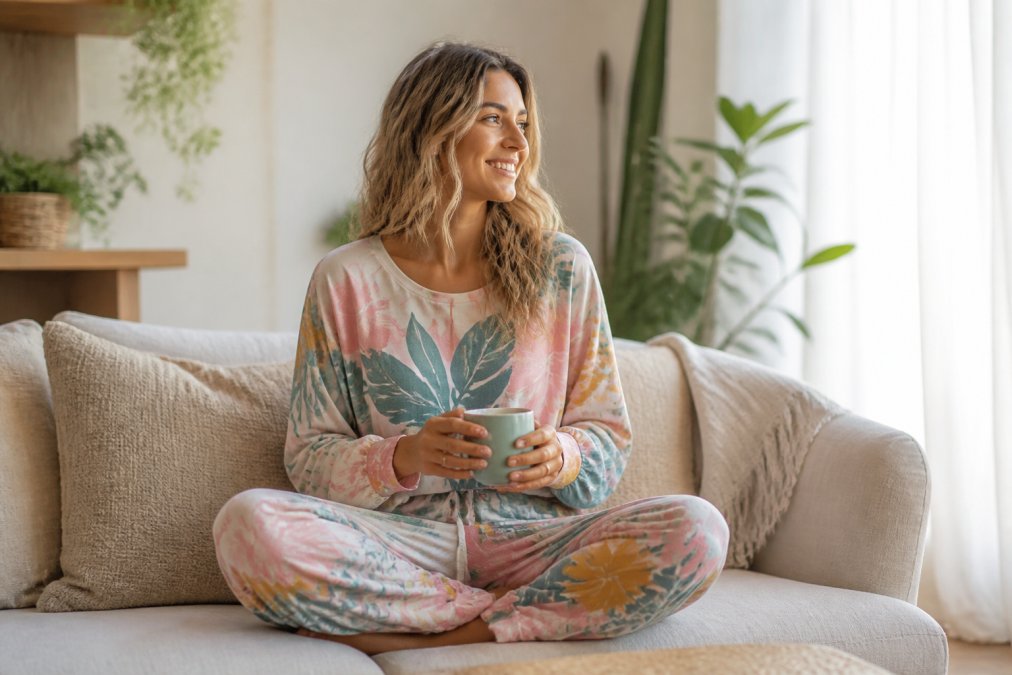
1. Sandee Rain Boutique, Size-Inclusive Ethical Loungewear
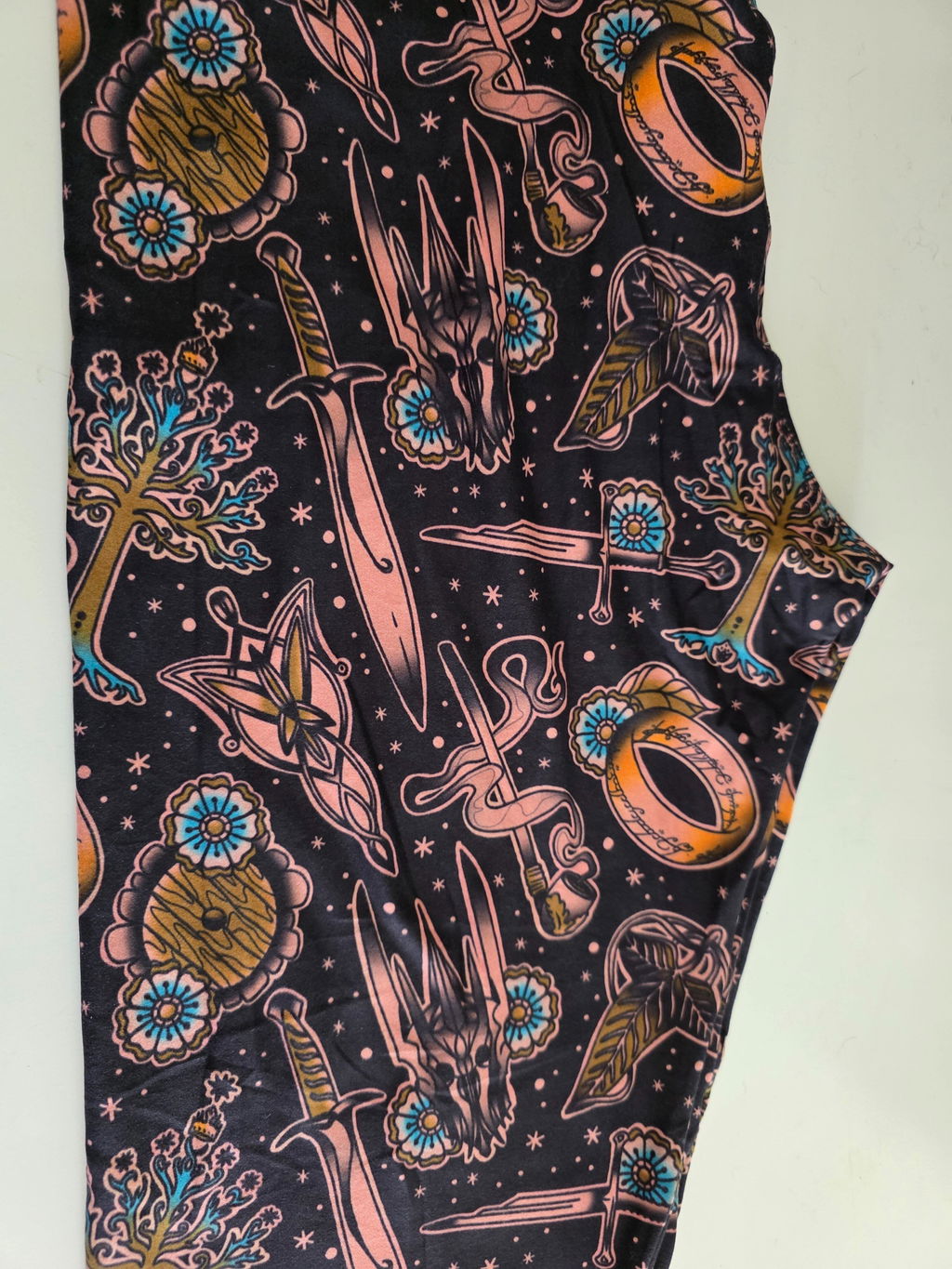
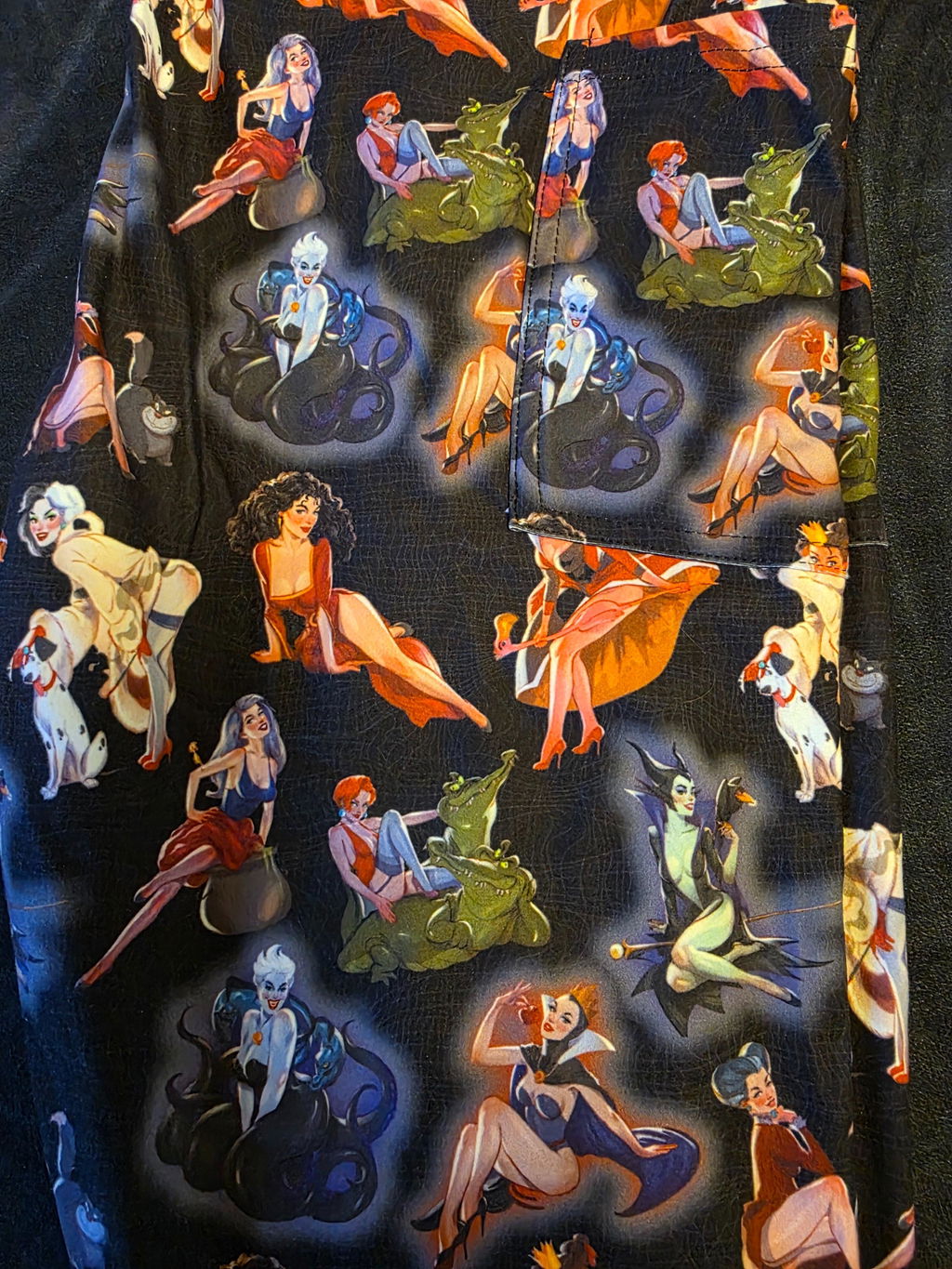
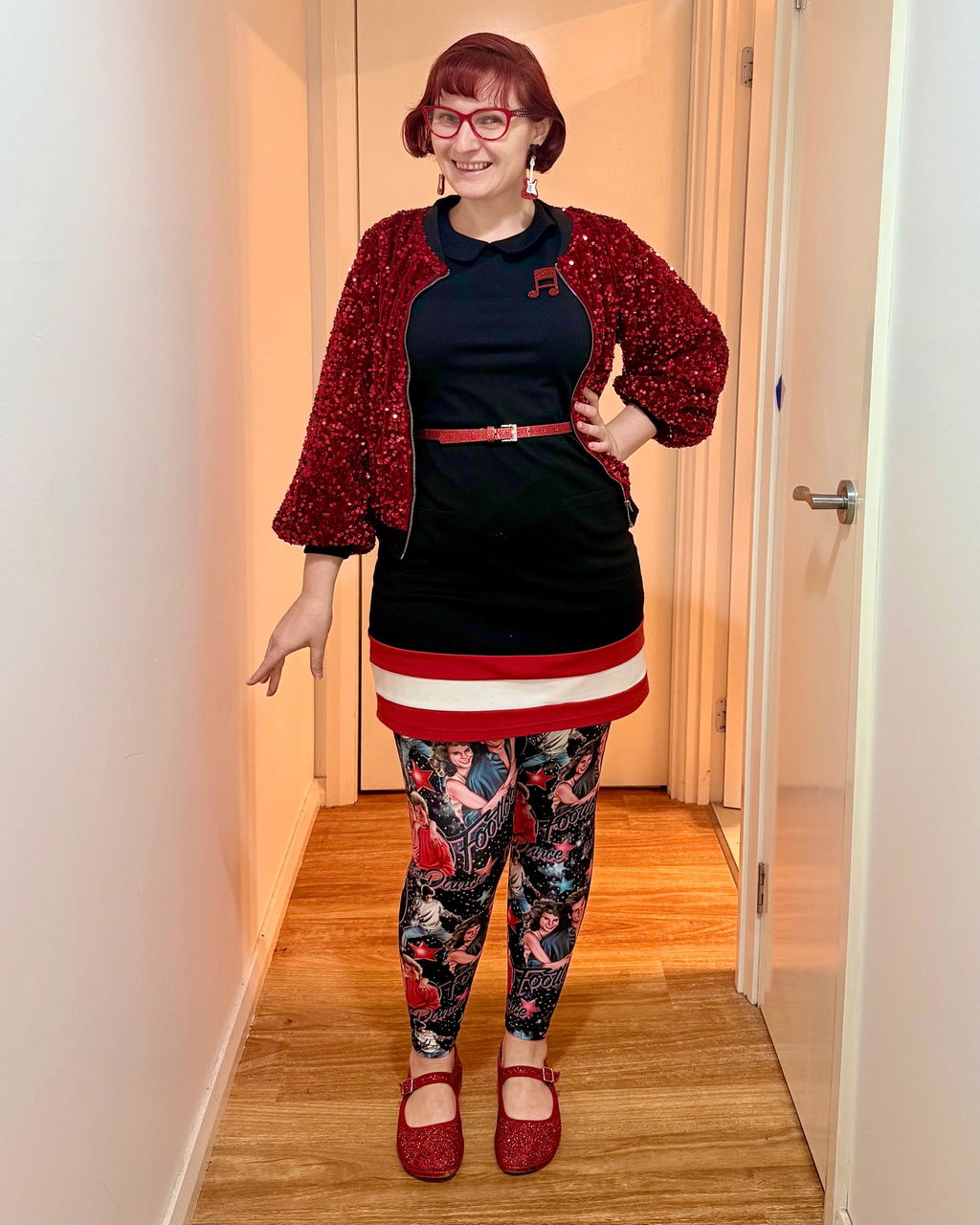
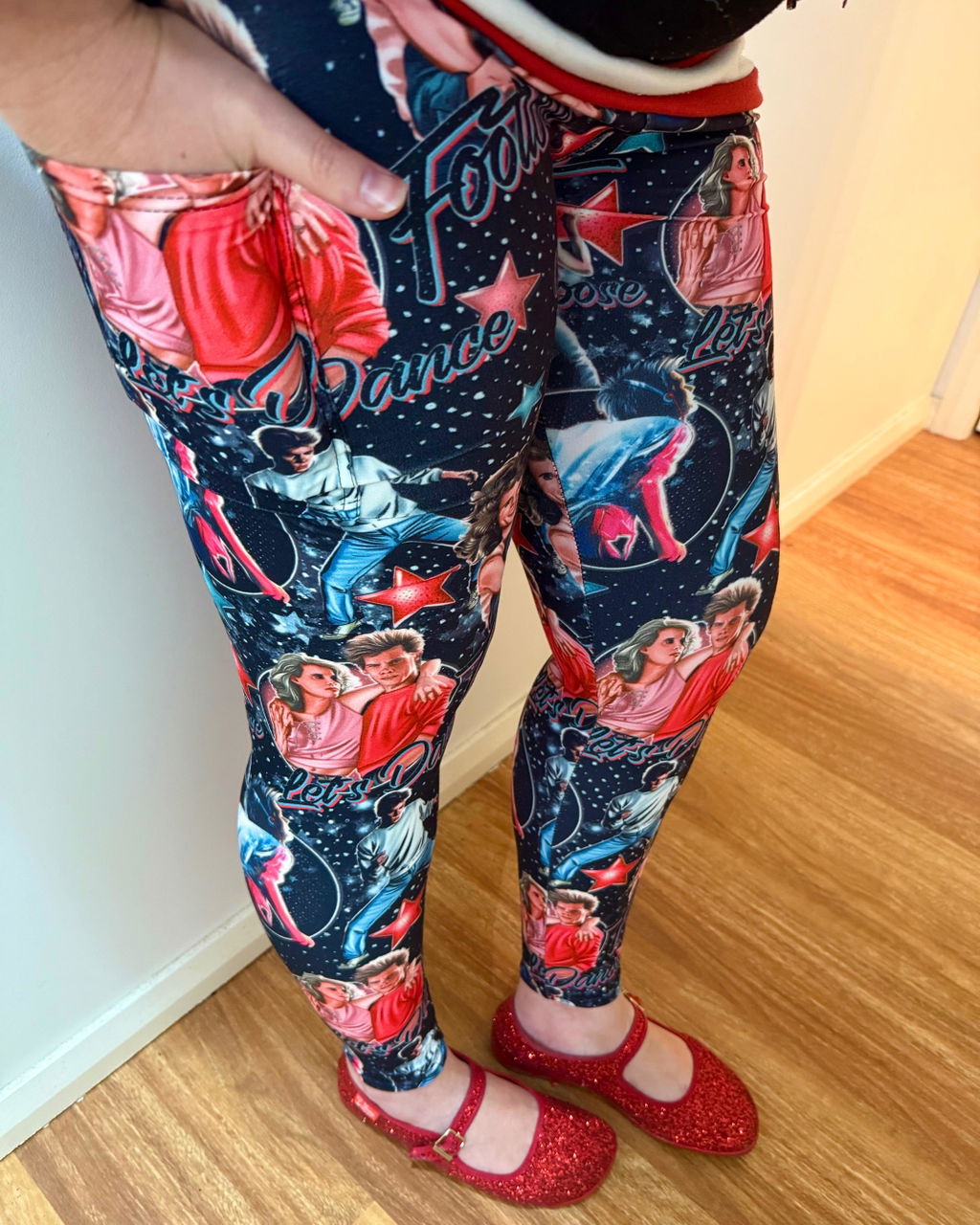
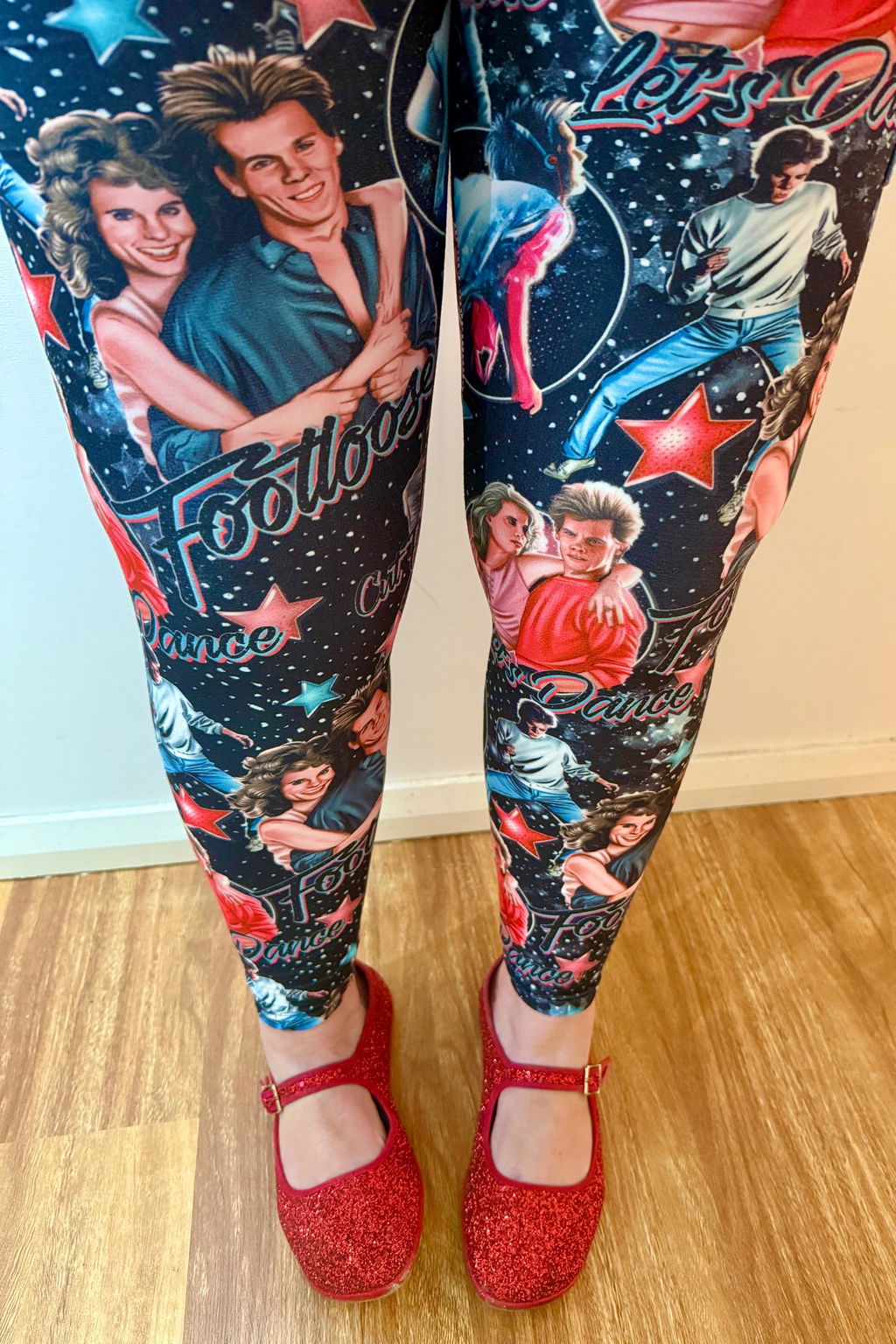
Sandee Rain Boutique specialises in buttery-soft loungewear, leggings, and dresses with exclusive custom designs, catering to women of all sizes with genuine commitment to cruelty-free, ethically produced garments. With over 813 reviews and a 96% positive rating, the customer satisfaction record is compelling.
Pros:
- Exclusive custom designs unavailable elsewhere
- Buttery-soft fabrics that hold up to repeated washing
- Genuine size inclusivity, not just scaled-up versions
- Ethically made and cruelty-free
2. A.BCH, Full Supply Chain Transparency
A.BCH publishes full disclosure on material sourcing and production, manufactures 80% of garments in-house locally, and uses only renewable, organic, or recycled materials designed to be biodegradable. The brand works toward circular economy standards, with garments designed to be returned, repaired, or recycled.
Pros: Exceptional traceability, strong circular economy principles, local production Cons: Higher price point due to ethical and local manufacturing
3. Kuwaii, Slow Fashion with Lifetime Repairs
Kuwaii has produced slow fashion since 2008, creating small, limited runs of timeless pieces with Ethical Clothing Australia accreditation. The standout feature: lifetime repair service that keeps garments out of landfill indefinitely.
Pros: Ethical Clothing Australia certified, lifetime repairs, timeless design Cons: Limited runs; popular items sell out quickly
4. Citizen Wolf, Made-to-Measure Hemp and Organic Basics
Citizen Wolf solves textile waste from returns and ill-fitting garments through made-to-measure custom T-shirts and sweatshirts from organic and hemp fibres. Hemp requires minimal water, grows without pesticides, and strengthens with wear.
Pros: Custom fit reduces waste and returns, durable hemp fabric, local manufacturing Cons: Higher entry price than off-the-rack basics
5. Vege Threads, 100% Australian-Made Organic Wear
Vege Threads manufactures entirely within Australia using local knitting mills and dye houses with organic and eco-friendly materials. The range covers basics, swimwear, and yoga wear, and donates a percentage of profits to Australian wildlife and beach charities.
Pros: 100% Australian made, organic materials, environmental charity contributions Cons: Earthy colour palette may not suit all tastes
6. The Social Outfit, Fashion as a Social Enterprise
The Social Outfit is both a fashion label and registered charity operating from Sydney, employing and training women from refugee and migrant backgrounds. Every purchase directly funds employment and skills training for marginalised workers in the garment industry.
Pros: Directly helps refugee and migrant women, small-batch waste reduction, unique handcrafted garments Cons: Higher price point due to social mission and local production
7. Bhumi, Fairtrade Organic Cotton Essentials
Bhumi uses 100% Fairtrade, organic, and vegan certified cotton across basics, bedding, and bath products. The brand offers premium-quality everyday essentials with full Fairtrade accreditation covering the international supply chain.
Pros: Fairtrade and organic certified, wide product range, sustainable luxury positioning Cons: Higher price point than conventional cotton alternatives
8. Hemp Clothing Australia, Durable Natural Fibre Staples
Hemp Clothing Australia focuses on a single, highly sustainable material. Hemp fabric is naturally UV-resistant, odour-resistant, and strengthens with washing. The range covers men and women, making it accessible for mixed households.
Pros: Highly durable and sustainable, naturally UV and odour resistant, versatile for active lifestyles Cons: Initial texture may require adjustment; softens with wear
9. Boody, Bamboo Everyday Essentials
Boody builds its entire range from organically grown bamboo using lower-waste cutting techniques and closed-loop supply chain systems. The fabric is exceptionally soft, making it ideal for underwear, activewear, and everyday basics.
Pros: Extremely soft bamboo fabric, organic materials, waste-reduction focus Cons: Bamboo fabric requires specific care instructions
Slow Fashion Labels Australia: Which Type Suits You?
The slow fashion market covers a broad range of approaches. The most useful way to choose is by matching the label's core strength to what you actually need.
According to Good On You's ethical brand rating methodology, credible slow fashion labels prioritise either local production and labour rights, material innovation, or circular economy design.
| Brand | Primary Strength | Best For |
|---|---|---|
| Sandee Rain Boutique | Size-inclusive, ethical loungewear | Women wanting comfort and vibrant style |
| A.BCH | Supply chain transparency | Conscious consumers who want traceability |
| Kuwaii | Longevity and repair | Shoppers investing in timeless pieces |
| Citizen Wolf | Custom fit, hemp basics | Reducing waste through made-to-measure |
| Vege Threads | Local production | Shoppers prioritising Australian-made |
| The Social Outfit | Social enterprise | Buyers wanting direct community impact |
| Bhumi | Fairtrade organic cotton | Sustainable luxury everyday essentials |
| Hemp Clothing Australia | Durable natural fibres | Active and travel lifestyles |
| Boody | Bamboo comfort | Soft everyday and activewear basics |
Size Inclusivity in Sustainable Labels
Size inclusivity is a significant gap in sustainable fashion. Many ethical labels produce only narrow size ranges, making slow fashion's benefits inaccessible to large portions of the population. Genuine inclusivity requires pattern-making accounting for different body proportions, appropriate fabric choices, and fit testing across the full range.
Sandee Rain Boutique addresses this directly with designs for women of all sizes. For shoppers let down by other "inclusive" labels, this track record matters.
How to Build a Sustainable Wardrobe Without Starting Over
Building a sustainable wardrobe does not mean discarding everything you own. The most sustainable garment is almost always the one you already have.
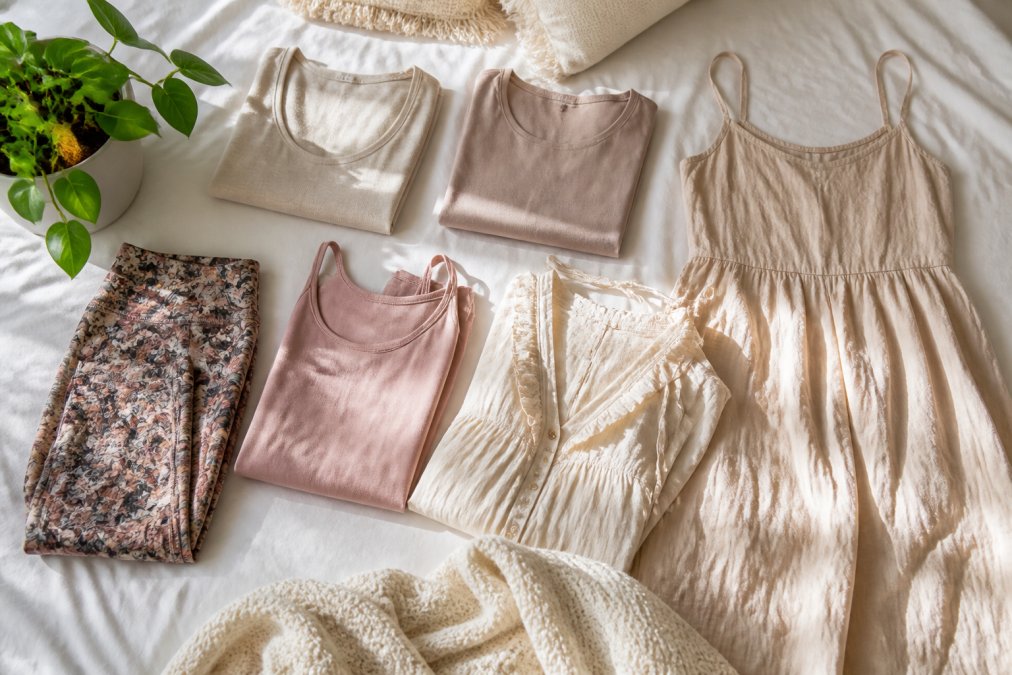
Start by auditing what you own. Identify items you reach for repeatedly and those you never wear. A capsule wardrobe prioritises intentionality: every piece should work with multiple others, suit your actual life, and be made well enough to last. When adding new pieces, apply the price-per-wear framework before buying.
Price-Per-Wear: The Number That Changes How You Shop
Price-per-wear is calculated by dividing garment cost by expected wear frequency. A $30 fast fashion top worn five times costs $6 per wear. A $120 ethically made top worn 80 times costs $1.50 per wear. This reframes purchasing decisions and explains why sustainable clothing brands, though more expensive upfront, represent better value over time.
Apply it practically:
- Estimate realistic wear frequency based on your actual lifestyle
- Factor in care costs; dry-cleaning increases true cost per wear
- Prioritise categories where you wear items most frequently: basics, loungewear, workwear
End-of-Life Garment Management
End-of-life garment management is the plan for what happens when you no longer need a piece. Most garments end up in landfill, where synthetics persist for decades and natural fibres decompose slowly.
Better options, in order of environmental preference:
- Repair: Extend the garment's life. Kuwaii's lifetime repair service is a model worth noting.
- Repurpose: Cut worn garments into cleaning cloths or patches.
- Pass on: Give to friends, family, or community clothing swaps.
- Donate: Charities and op shops.
- Textile recycling: Brands like A.BCH are building take-back programmes. Some councils now offer textile recycling collection points.
- Compost: For 100% natural fibre garments with no synthetic thread or hardware, home composting is viable.
Which Sustainable Brand Should You Choose?
The right sustainable brand depends on what you value most and what you actually need.
If size inclusivity and vibrant, comfortable everyday wear are priorities, Sandee Rain Boutique is the clear choice. The combination of ethically made products, genuine size inclusivity, cruelty-free items, and exceptional customer service makes it the most well-rounded option for women seeking ethical loungewear that actually fits and lasts.
For maximum supply chain transparency, A.BCH is unmatched. For social impact, The Social Outfit. For Fairtrade organic cotton essentials, Bhumi. For durable natural fibre staples, Hemp Clothing Australia.
You do not need to commit to a single brand. A sustainable wardrobe is built from pieces chosen deliberately, from labels you trust, across categories where each brand excels. Start with the category where you spend most, choose one brand aligning with your values, and build from there.
As documented in the Australian Competition and Consumer Commission's guidance on environmental claims, brands making sustainability claims in Australia must substantiate them. This means shoppers have legal backing when challenging greenwashing, and brands have real obligation to be honest about environmental credentials.
Sandee Rain Boutique is committed to offering ethically made, size-inclusive clothing that brings genuine joy to everyday wear. With over 813 verified reviews and a 96% positive rating, the boutique has built its reputation on quality, personalised service, and a range designed for women of all sizes. Visit the website to explore the current collection and find your next favourite piece.
Frequently Asked Questions
How can I verify if a clothing brand is truly ethical in Australia?
Check whether the brand holds Ethical Clothing Australia (ECA) accreditation, which is administered by Textile Clothing Footwear Union of Australia (TCFUA) and verifies that workers are paid award wages and work in safe conditions. Beyond accreditation, look for brands that publish supply chain transparency reports, name their manufacturers, and use certified organic or Fairtrade materials. Brands that list specific certifications on their product pages are generally more trustworthy than those making vague 'eco-friendly' claims without evidence.
What is the difference between ethical and sustainable fashion?
Ethical fashion focuses on the human side of production: fair wages, safe working conditions, and labour rights for garment workers. Sustainable fashion focuses on environmental impact: reducing textile waste, using natural fibres like organic cotton, hemp, linen, or Tencel, and lowering carbon footprint across the supply chain. The strongest sustainable clothing brands address both. A garment made from organic cotton in a factory with poor labour conditions is not fully ethical, and vice versa.
What materials should I look for when shopping for sustainable clothing?
Prioritise natural, biodegradable fibres: certified organic cotton, hemp, linen, and Tencel (lyocell) are among the most sustainable choices. Recycled polyester reduces plastic waste but is not biodegradable. Bamboo can be eco-friendly when processed responsibly. Deadstock fabric, which uses existing unused textile stock, also reduces waste. Avoid conventional polyester and synthetic blends that shed microplastics in the wash and take hundreds of years to break down.
Are there sustainable clothing brands that cater to plus sizes?
Yes, though size inclusivity remains one of the weaker areas across many sustainable labels. Sandee Rain Boutique is a notable example that genuinely designs for diverse body types, with customers in larger sizes reporting that the fit and cut work for curvy figures rather than simply scaling up standard patterns. When evaluating any brand's size inclusivity, check whether larger sizes are shown on models of that size and whether customer reviews from those sizes reflect a good fit.
What are the sustainable fashion trends shaping 2026?
The biggest shifts in 2026 centre on traceability and circular economy thinking. Shoppers are demanding proof of ethical manufacturing, not just claims. Deadstock fabric use is growing as brands reduce overproduction. Capsule wardrobe thinking is mainstream, with consumers buying fewer, better pieces and calculating cost-per-wear before purchasing. Local production is gaining ground as consumers factor in carbon footprint from shipping. Vegan leather alternatives and plastic-free packaging are also increasingly standard expectations rather than premium add-ons.
Building a wardrobe you feel good about is harder than it should be when greenwashing is everywhere and size inclusivity remains an afterthought for many labels. Sandee Rain Boutique was built to change that, with ethically made, cruelty-free clothing in inclusive sizing, exclusive custom designs, and buttery-soft fabrics that hold up wash after wash. SHOP NOW and find pieces you will actually reach for every day.
This article was written using GrandRanker


Laisser un commentaire