

Table of Contents
- Proud Poppy Clothing vs Competitors: What Actually Decides the Purchase
- Proud Poppy Clothing Reviews: Reading Customer Sentiment Properly
- Size-Inclusive Australian Clothing Brands: How Size Ranges Really Compare
- Proud Poppy Clothing Alternatives: The Brand Categories Worth Comparing
- Ethical Clothing Brands for Women: Checking Claims Without Guesswork
- Fabric, Construction and Value: The Quality Checklist
- Ordering Risks to Check Before You Buy Online
- Conclusion
- Frequently Asked Questions
Last Updated: October 19, 2026
Proud Poppy Clothing vs Competitors: What Actually Decides the Purchase
Proud Poppy Clothing is an Australian womenswear label known for bright prints and extended sizing, and the decision between it and its competitors rarely comes down to who has the prettier dress.
Here is what most comparison articles skip: a size range is a number on a chart, but fit is a pattern drafted for a body shape. Confusing the two is how people end up with clothes that technically fit and never get worn.
Proud Poppy Clothing Reviews: Reading Customer Sentiment Properly
Customer reviews are the most useful and most misread evidence in online fashion. A high aggregate rating tells you the average experience was acceptable; it does not tell you whether the brand suits your body, your washing machine or your timeline.
What Repeat Buyers Praise
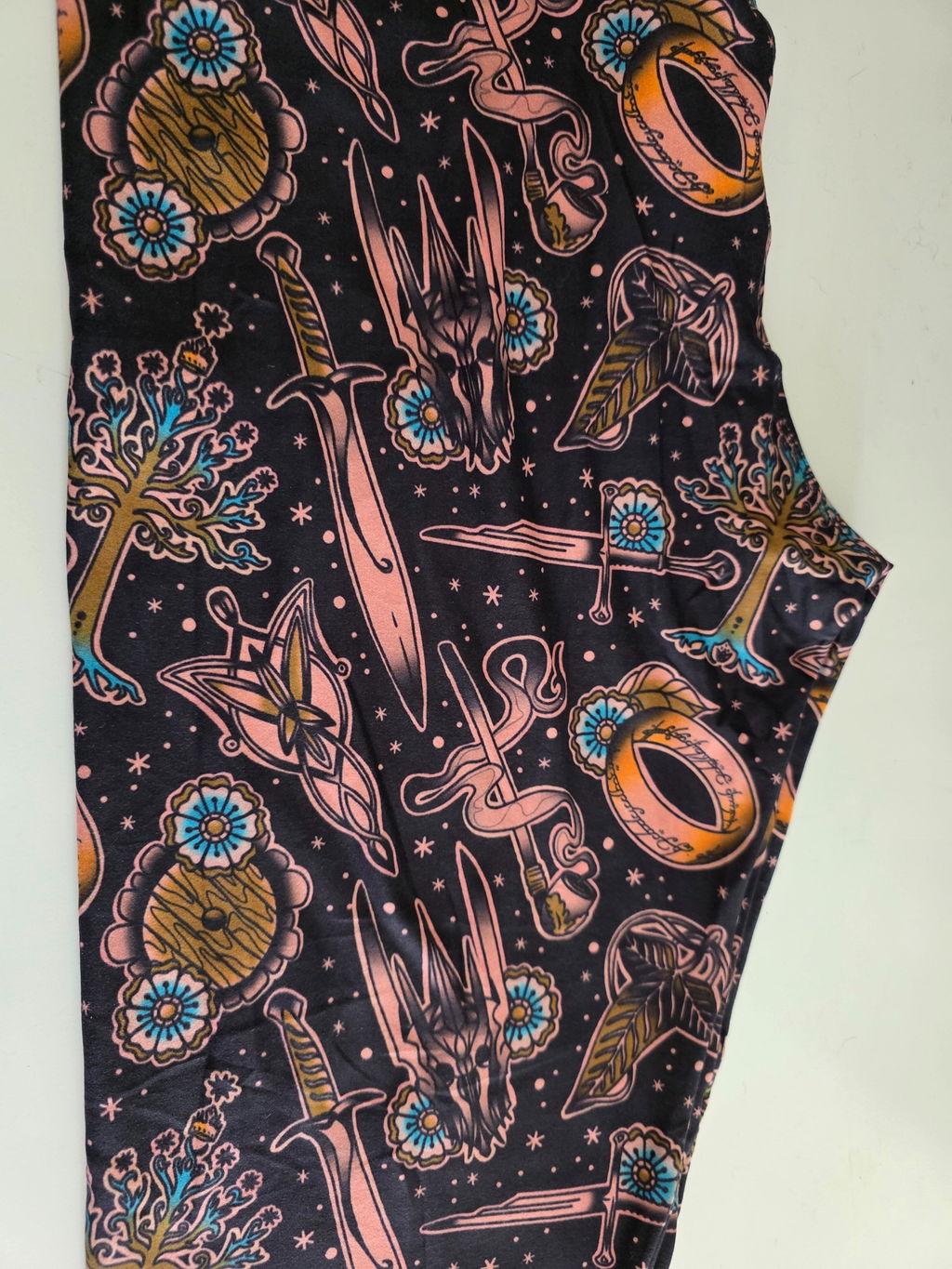
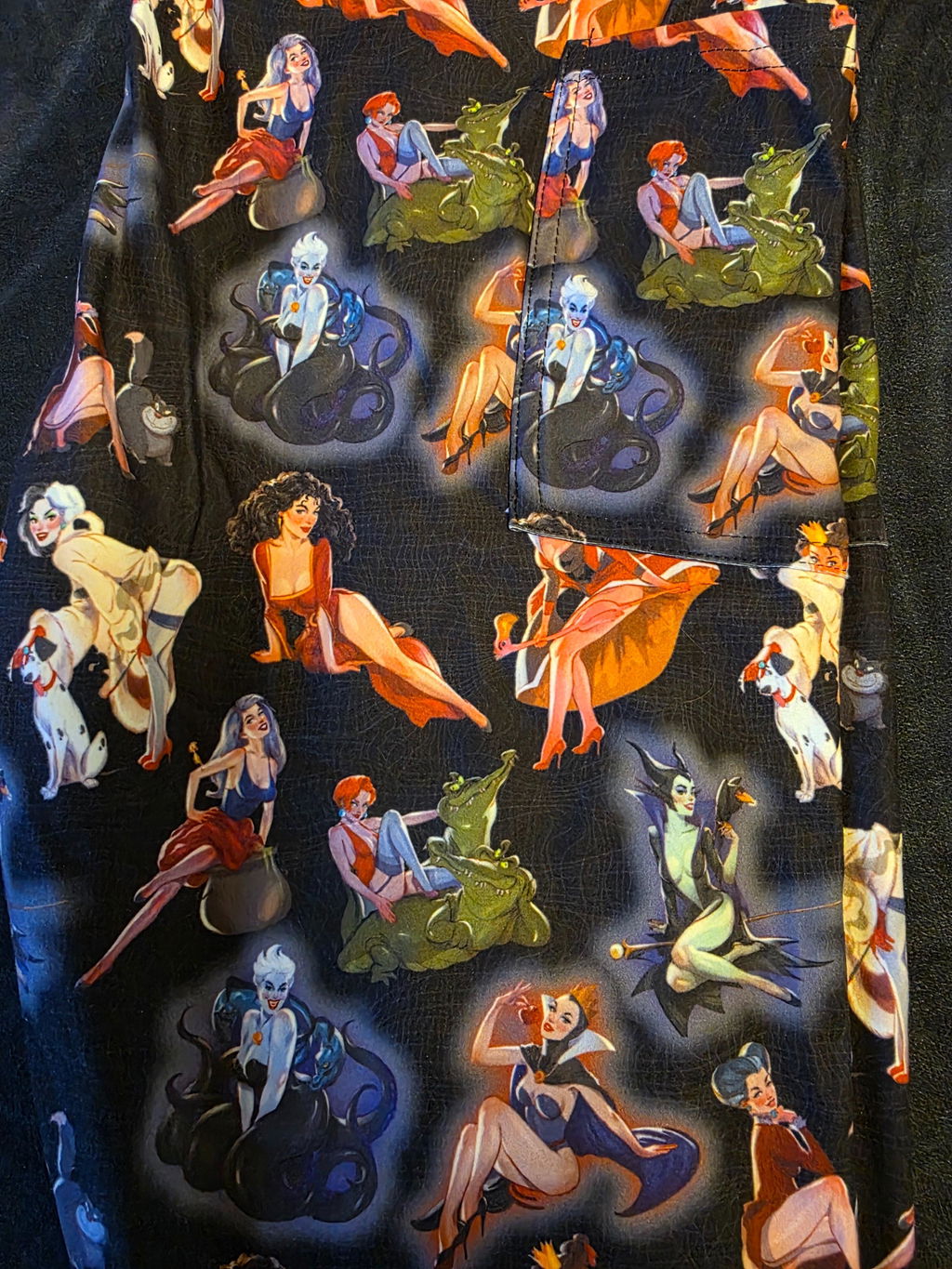
Across the review patterns common to bright-print Australian labels, three themes recur. First, print variety: shoppers who want colour and pattern that does not look like everything else on the high street tend to stay loyal. Second, size availability: finding a style in a size that actually exists in stock is a genuine relief for women above a size 18.
What Negative Reviews Usually Signal
Negative reviews in this category cluster around a short list:
- Inconsistent sizing between styles, where a size 16 in one cut fits like an 18 in another
- Colour variance between the website image and the garment that arrives
- Fabric that pills or loses shape after a few washes
- Slow or unclear resolution when something goes wrong
A single angry review about a delayed parcel is noise. Five reviews across different styles all saying "runs small through the bust" is a pattern you can plan around.
Size-Inclusive Australian Clothing Brands: How Size Ranges Really Compare
Size-inclusive ranges in the Australian market broadly fall into three tiers, and knowing a brand's tier tells you more than any single size chart.
Tier two: extended-range brands. Core range to size 24 or beyond, drafted in-house across the full run. Better consistency, though not always perfect.
Tier three: specialist plus-size labels. Everything drafted from a larger base pattern, with proportion changes through the bust, waist and hip rather than simple scaling.
Why a Wide Size Range Is Not the Same as a Good Fit
A brand can advertise sizes 6 to 26 and still fit badly at both ends. Grading, scaling a pattern up and down, is where most extended ranges fall apart; done mechanically, the armhole, bust apex and rise shift in ways that do not match real bodies. So the question is not "how big does the range go?" but "was this drafted for my shape, or scaled to include me?"
Brand category |
Typical size reach |
Pattern approach |
Best for |
|---|---|---|---|
Straight-size with curve capsule |
To 18-20 |
Graded from straight block |
Shoppers in core sizes |
Extended-range in-house |
To 24-26 |
Drafted across full run |
Consistent mid-range fit |
Specialist plus-size |
14-30+ |
Drafted from larger base |
Proportion-led fit above 20 |
Activewear crossover |
To 20-22 |
Performance-block drafting |
Movement-focused fit |
How to Compare Size Charts Across Brands
A body-measurement chart tells you which size to order; a garment-measurement chart tells you whether that size will fit the way you want. Most Australian labels publish the first and skip the second, which is why online sizing feels like guesswork. Compare two brands' charts side by side and check four things:
- Where the tape sits. Some charts measure the bust at the fullest point, others under the arm. A 4 cm difference in method can move you a full size.
- Ease allowance. A garment measurement larger than your body measurement is the ease. A fitted dress might carry 2-4 cm of bust ease; a relaxed shirt 10 cm or more. If the brand does not state ease, compare the garment measurement to your own body measurement.
- Grading increments. Look at how much the bust, waist and hip grow between sizes. A well-graded extended range increases the hip more than the bust above a certain size; a mechanically graded one increases everything by the same amount.
- Length and rise. These are the measurements most often missing and most often wrong above size 18. A dress that is the right width but 6 cm too short through the torso will pull at the bust and ride up at the hem.
Fit Notes Worth Reading Before You Buy
The product page is where the real comparison happens. A brand that publishes model height, the size worn, and a short fit note ("true to size," "runs small through the bust," "relaxed through the hip") gives you what you need to choose between two labels without ordering both.
A common pattern in reviews of bright-print labels is that the same shopper wears one size in a woven dress and a different size in a knit.
Proud Poppy Clothing Alternatives: The Brand Categories Worth Comparing
When shoppers look for Proud Poppy Clothing alternatives, they usually mean one of four things, each pointing to a different kind of brand.
- Same aesthetic, different label. Bright-print boutique brands with extended sizing. Compare on fabric weight and returns policy, not on print.
- Same size reach, calmer styling. Extended-range basics labels, better for a wardrobe foundation, weaker on statement pieces.
- Same price positioning, different quality tier. Mid-market labels where fabric and construction justify the spend.
- Specialist fit. Labels drafted specifically for curves, which often beat general ranges above size 20.
The honest comparison is not brand against brand. It is what you are optimising for: print variety, fit reliability, fabric longevity, or ethical transparency. No single label wins all four.
At Sandee Rain Boutique, we sit in the boutique-with-extended-sizing category, and we would rather you choose us because the fabric and fit suit you than because a comparison table said so.
Ethical Clothing Brands for Women: Checking Claims Without Guesswork
"Ethically made" is one of the least regulated phrases in retail, so verify rather than trust. Next, look for third-party certification, ethical trade audits, organic textile standards, or cruelty-free accreditation.
Australian shoppers also have statutory backing here. The ACCC guidance on green and ethical claims sets out what businesses must be able to prove.
Shop at Sandee Rain Boutique →
Ask three questions of any label:
- Can they name where the garment was made?
- Do they hold a certification you can look up?
- Do they publish care and fibre information per product?
Three yeses is a reasonable signal. Three vague answers is a signal too.
Fabric, Construction and Value: The Quality Checklist
Value in womenswear is a function of cost per wear, not ticket price. A dress you wear thirty times beats a cheaper one that pills after three washes.
Use this checklist before you commit:
- Fibre content listed as percentages, not just "soft blend"
- Fabric weight or gsm stated, or inferable from the product description
- Seam finish described or visible in close-up photography
- Care instructions on the product page, not only on the label
- Stretch recovery mentioned for knits and leggings
- Lining specified for anything sheer or structured
Buttery-soft fabrics are a genuine selling point, and they stay soft provided the fibre blend and wash instructions support it. Ask for the specifics rather than the adjective.
Ordering Risks to Check Before You Buy Online
Online ordering carries four risks worth checking on any label, including ours. The difference between a smooth purchase and a lost one is usually whether you checked these before you paid.
Stock and fulfilment. Extended sizes sell out first and restock slowest.
Returns terms. Under the Australian Consumer Law, you have automatic rights when goods are faulty, not as described, or unfit for purpose, and the ACCC guidance on returns and refunds explains what retailers must honour.
Business status. Retail is a tough sector, and voluntary administration is not rare. Before placing a large order with any label, check the business status through the ASIC registers and look at whether the brand's social media and customer support are currently active.
If a brand is in voluntary administration, the practical questions change. The ASIC published notices and the administrator's own website are the authoritative sources for what is being honoured and how to lodge a claim.
Colour accuracy. Screens vary. If a print is central to your decision, ask customer support for a real-life photo, or check customer reviews for images.
Conclusion
Choosing between Proud Poppy Clothing and its competitors comes down to fit drafting, fabric honesty, verified ethics and a returns policy you have actually read.
At Sandee Rain Boutique, we build our range around buttery-soft fabrics, inclusive sizing across the full run, and ethically made, cruelty-free pieces, with the personalised service to answer a sizing question before you order.
Ready to compare for yourself? Shop the Sandee Rain Boutique range and see how the fit and fabric stack up.
Frequently Asked Questions
What is happening with Proud Poppy Clothing?
Shoppers searching for Proud Poppy Clothing often want to know whether the brand is still trading normally. Business status can change quickly, so check the brand's own website and social channels for current trading updates before ordering, and look at recent customer reviews for signs of delays. If you are buying for a time-sensitive event, confirm dispatch timeframes in writing first. Treat older news reports and forum posts as background only, since they may no longer reflect the current position.
Is Proud Poppy Clothing a good brand?
That depends on what you value most. Proud Poppy Clothing reviews frequently praise colourful prints, inclusive sizing and comfortable everyday styles, which suits shoppers who want bright, easy-wear pieces. Less favourable reviews tend to focus on fit consistency and delivery timing. Before buying, compare the size chart against your own garment measurements, read reviews from customers with a similar body shape, and check the returns policy. A brand is only 'good' relative to your priorities on fit, fabric and value.
What should I compare when choosing a size-inclusive clothing brand?
Start with the size chart, not the size label. Compare garment measurements for the bust, waist and hip against a piece you already own and love. Then check whether the brand publishes fit notes for individual styles, such as whether an item runs small or is designed for a curvy shape rather than scaled up. Fabric composition and stretch matter too, along with care instructions, returns terms and stock availability. Reviews from customers in your size give the clearest signal of how a garment actually fits.
How can I check a clothing brand's ethical sourcing claims?
Look for specifics rather than slogans. A credible ethical clothing brand for women will usually name its factories or suppliers, publish a transparency or sourcing report, and reference recognised certification schemes for fibres or manufacturing. Vague phrases like 'ethically made' without supporting detail are hard to verify. Check whether the brand answers sourcing questions directly through customer support or social media, and whether the claims have stayed consistent over time. If you cannot find any evidence, ask before you buy.


Dejar un comentario