



Table of Contents
- Why School Run Style Needs a System, Not Willpower
- The 5-Minute Mum Outfits Formula
- Capsule Wardrobe Essentials for Mums
- Comfortable Everyday Dresses That Do the Work
- How to Accessorise Loungewear Without Looking Like You Rolled Out of Bed
- Styling for Your Body Type, Not the Mannequin
- Budget Pieces vs Investment Pieces: Where to Spend
- Common Mistakes That Make Mornings Harder
- Frequently Asked Questions
Last Updated: September 25, 2026
Why School Run Style Needs a System, Not Willpower
Most mums don't have a styling problem. They have a decision-fatigue problem at 7:40am.

Zenana Full Size V-Neck Rolled Short Sleeve T-Shirt and Leggings Lounge Set
The 5-Minute Mum Outfits Formula
A five-minute outfit is any combination of one base layer, one outer layer and one pair of flat shoes that you can pull on without thinking. The goal is a repeatable formula, not a fresh idea every day.
The 3-3-3 Rule, Adapted for Real Mornings
The 3-3-3 rule means three tops, three bottoms and three pairs of shoes that all mix together. That gives you up to 27 outfit combinations from nine pieces. No morning decisions required.
Layering for Seasonal Transitions
Layering is what makes a capsule wardrobe work across seasons. A trench coat in winter becomes a denim jacket in autumn and a button-down shirt tied at the waist in spring. Same base outfit, three different looks.
Capsule Wardrobe Essentials for Mums
Capsule wardrobe essentials for mums are the pieces you reach for without thinking: high-waisted leggings, an oversized hoodie, light wash denim, a trench coat, a denim jacket and one button-down shirt. Every piece should work with at least three others.
Category |
Pieces |
Why It Works |
|---|---|---|
Base layers |
Leggings, tees, lounge sets |
Comfort-first, easy to wash |
Mid-layers |
Oversized hoodie, button-down |
Adds warmth without bulk |
Outerwear |
Trench coat, denim jacket |
Handles most weather |
Footwear |
Slides, flats, sneakers |
Errand-ready, no laces |
Dresses |
Comfortable everyday dresses |
One-piece, zero thinking |
Comfortable Everyday Dresses That Do the Work
Comfortable everyday dresses solve the morning problem in one piece. No matching, no layering maths, no waistband decisions. A relaxed midi dress with a cardigan and slides is a complete, polished outfit in under two minutes.
How to Accessorise Loungewear Without Looking Like You Rolled Out of Bed
How to accessorise loungewear comes down to three small moves: add structure, add one focal point, and swap the shoes. Loungewear reads as "outfit" the moment you give it shape.
- Add a structured layer: a denim jacket or trench coat
- Add one focal point: a ball cap, a crossbody bag or simple earrings
- Swap house slippers for slides or clean sneakers
- Keep colours to two or three tones
Styling for Your Body Type, Not the Mannequin
Body-type styling starts with proportion, not size. The goal is balance: if a piece is loose on top, keep the bottom closer-fitting, and the reverse. This single rule does more work than any list of "flattering" shapes.
Start With Your Real Measurements, Not a Label
Sizing varies wildly between brands, so ignore the number on the tag and work from three measurements: bust, natural waist (the narrowest point, usually just above the navel), and hip (the fullest point). Write them down. Every piece you buy should fit those numbers, not the size you wore five years ago.
Proportion Rules That Actually Work
- Loose on top, fitted on the bottom: an oversized hoodie over high-waisted leggings or slim jeans. This is the workhorse school-run formula.
- Fitted on top, loose on the bottom: a tucked ribbed tee with wide-leg trousers or a relaxed midi skirt.
- One volume point per outfit: if the dress is billowy, keep the cardigan close-fitting. If the pants are wide, keep the top streamlined.
- Vertical lines elongate: an open trench coat, a longline cardigan or a column dress creates a continuous line that reads taller and leaner.
Postpartum and Changing Bodies
A body that has recently grown a human does not need to be "fixed", it needs clothes that move with it. Look for:

Zenana Cotton Round Neck Top & Biker Shorts
- High-waisted bottoms that sit above a tender midsection rather than cutting across it.
- Wrap or empire-line dresses that skim the stomach and adjust as your shape shifts.
- Stretch fabrics with recovery, cotton-elastane blends and ribbed knits hold their shape through repeated washing better than loose jersey.
- Nothing that digs in. A waistband that leaves a mark is a waistband you will avoid, and an avoided piece is wasted money.
Petite and Tall Adjustments
Petite frames (generally under 160 cm) benefit from cropped hems, monochrome outfits and higher waistlines to avoid being swamped by fabric. Tall frames (generally over 175 cm) often need longer inseams and hemlines, a midi that hits mid-calf on one person can sit awkwardly above the knee on another. Adjust hem lengths rather than sizing up or down; a tailor is cheaper than a new wardrobe.
Plus-Size and Size-Inclusive Fit
The thing nobody tells you is that size-inclusive clothing only works when the cut is designed for a real shape. A scaled-up size small is not a size 18. Look for brands that grade patterns properly, meaning the bust, waist and hip measurements increase at different rates rather than proportionally. If a garment pulls across the bust but bags at the waist, it was graded, not designed.
Zenana Scuba Long Sleeve Sweatshirt and →
Fabric Matters More Than Cut
A perfect cut in the wrong fabric still fails. For high-rotation school-run pieces, prioritise:
- Cotton-elastane blends for leggings and tees, breathable with enough stretch to move.
- Ribbed knits for dresses and tops, they hold shape and skim rather than cling.
- Avoid stiff, non-stretch fabrics for anything you need to pull on in a hurry.
- Check the wash label. If it needs dry cleaning or hand washing, it will not survive a school-run rotation.
Budget Pieces vs Investment Pieces: Where to Spend
Spend on the pieces you wear weekly. Save on the pieces you wear seasonally. That is the whole framework, but the detail is where most mums get caught out.
The Cost-Per-Wear Test
Cost per wear is simple: divide the price by the number of times you will realistically wear it. A pair of leggings you wear four times a week for a year costs far less per wear than a dress worn twice a season. Before buying anything, ask yourself how many wears you will genuinely get.
Where to Invest
- Leggings and base layers: these take the most washing and the most wear. Look for thick, opaque fabric with good recovery, the kind that does not go sheer when you bend or bag out at the knees by lunchtime.
- Everyday shoes: you are on your feet at the school gate, in the car park and around the shops. A comfortable, supportive pair that suits your gait is worth more than three cheap pairs that leave your feet aching.
- A good trench or weatherproof outer layer: this is the piece that makes a simple base outfit look intentional. It also needs to handle wind, drizzle and temperature swings without looking tired after one season.
- A well-fitting bra: the foundation piece nobody lists. If it digs or shifts, every outfit on top of it feels wrong.
Where to Save
- Trend pieces: if it is everywhere this season, it will be nowhere next season. Buy it cheap or borrow it.
- Statement accessories: a bright scarf or novelty bag is fun but rarely worn weekly.
- Seasonal colours: a mustard cardigan that only works in autumn is a save item. A neutral one is an invest item.
- Playground-only layers: anything that will meet mud, paint and fruit juice does not need to be expensive.
The Middle Ground
Hoodies, denim jackets and button-down shirts sit in the middle. Buy mid-range, look for good fabric weight and solid stitching, and replace when they wear out rather than trying to make them last a decade.
Building a Sustainable Capsule
A capsule wardrobe is inherently more sustainable than fast fashion because you buy less and wear more. To push it further:
- Choose natural or blended fibres where possible, cotton, linen, merino and Tencel break down better and often breathe more comfortably than pure synthetics.
- Check for ethical manufacturing claims. Look for brands that publish information about their factories and workers rather than vague "ethical" labels.
- Repair before replacing. A dropped hem or a loose button is a five-minute fix, not a reason to buy new.
- Wash less, air more. Over-washing breaks down fabric fibres faster than wearing does. Airing a piece overnight often freshens it enough for another wear.
Styling for the Climate You Actually Live In
- Humid days: choose breathable natural fibres and loose cuts. Tight synthetics trap heat and show sweat.
- Cold mornings: layer light to heavy, a fitted thermal base, a mid-layer hoodie or knit, then a windproof outer layer. You can shed layers as the day warms.
- Rainy days: a hooded waterproof outer layer beats an umbrella when you are holding a child's hand and a school bag. Water-resistant footwear matters more than stylish footwear on these days.
- Windy days: avoid loose, lightweight fabrics that flap and expose. A structured jacket or a heavier knit holds its shape.
For ethically made pieces that hold up to constant washing, Sandee Rain Boutique offers inclusive sizing and buttery-soft fabrics designed for exactly this kind of rotation.
Common Mistakes That Make Mornings Harder
The biggest morning mistake is buying for the wardrobe you wish you had, not the life you actually live. School run style is functional fashion. It has to survive a car seat, a playground and a coffee spill.
- Buying pieces that only work with one outfit
- Ignoring fabric care (pilling ruins soft fabrics fast)
- Keeping clothes that don't fit "for later"
- Choosing style over comfort, then dreading the outfit
- Skipping the weather check before layering
Fix these and the 5-minute formula actually holds.
Frequently Asked Questions
What is the 3-3-3 rule for clothes?
The 3-3-3 rule is a simple capsule wardrobe guideline: three tops, three bottoms and three pairs of shoes that all mix and match. That gives you 27 outfit combinations from just nine items. For school drop off, it means you can grab any top with any bottom and know it works. Build your three bottoms around what you actually reach for, such as high-waisted leggings, light wash denim and a relaxed midi skirt, then repeat the formula each season.
How can I build a capsule wardrobe for school runs?
Start with pieces that survive real mornings: two pairs of high-waisted leggings, one pair of light wash denim, an oversized hoodie, a button-down shirt and a trench coat or denim jacket. Add three comfortable everyday dresses you can pull on without thinking. Stick to a colour palette so everything pairs, and keep footwear to two flat options you can slip on. Rotate the same nine to twelve pieces and you will never stare blankly at your wardrobe at 7am again.
How do I transition my outfit from school drop off to the rest of the day?
Choose transition pieces that work in both settings. A ribbed jumpsuit or a coordinated lounge set looks relaxed at the school gate but smart enough for a cafe meeting or the supermarket. Swap flat slides for clean white sneakers, add a structured bag instead of a tote, and layer a denim jacket over your top. One accessory change is usually all it takes to shift a look from errand-ready to polished.
What accessories elevate a simple loungewear look?
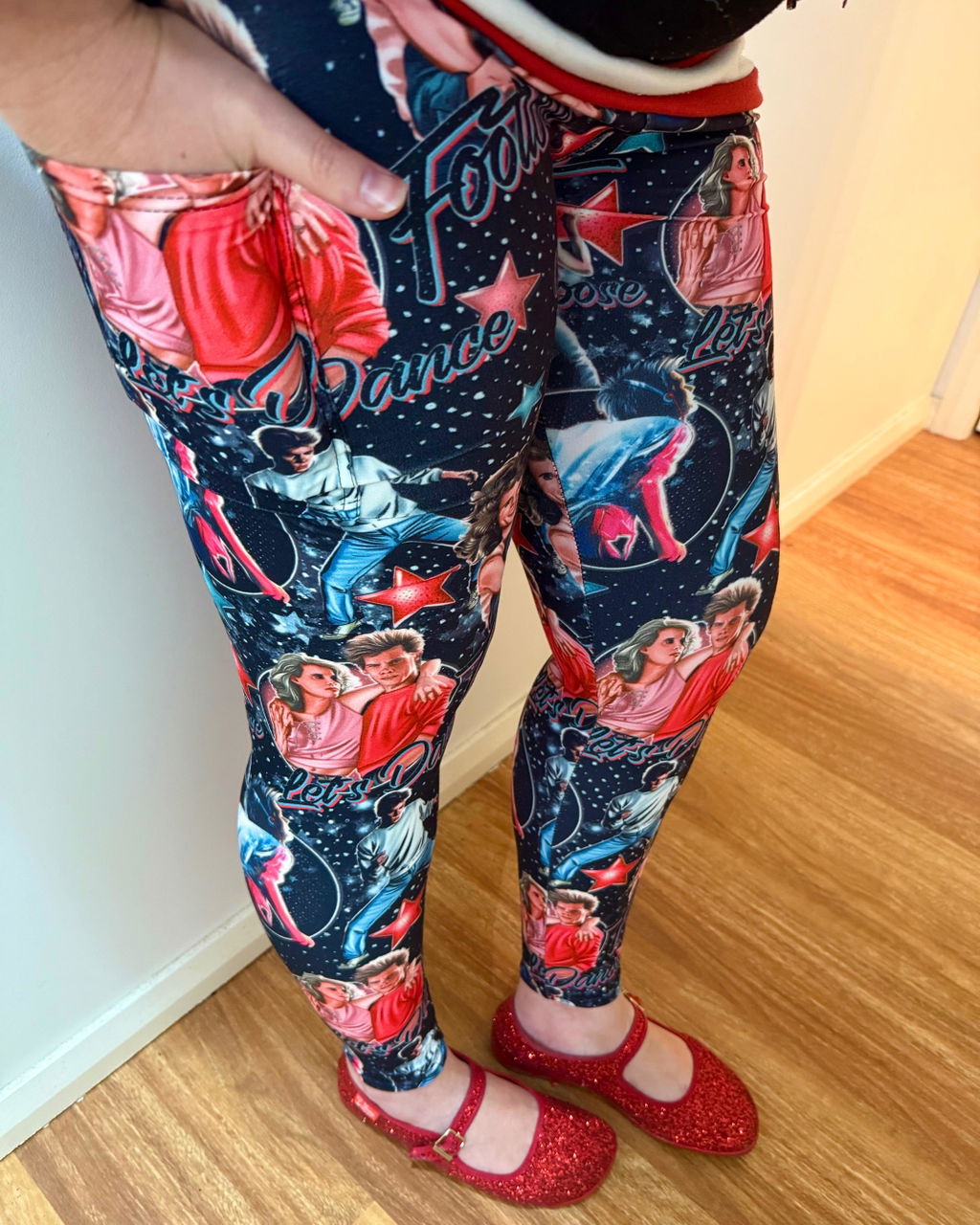
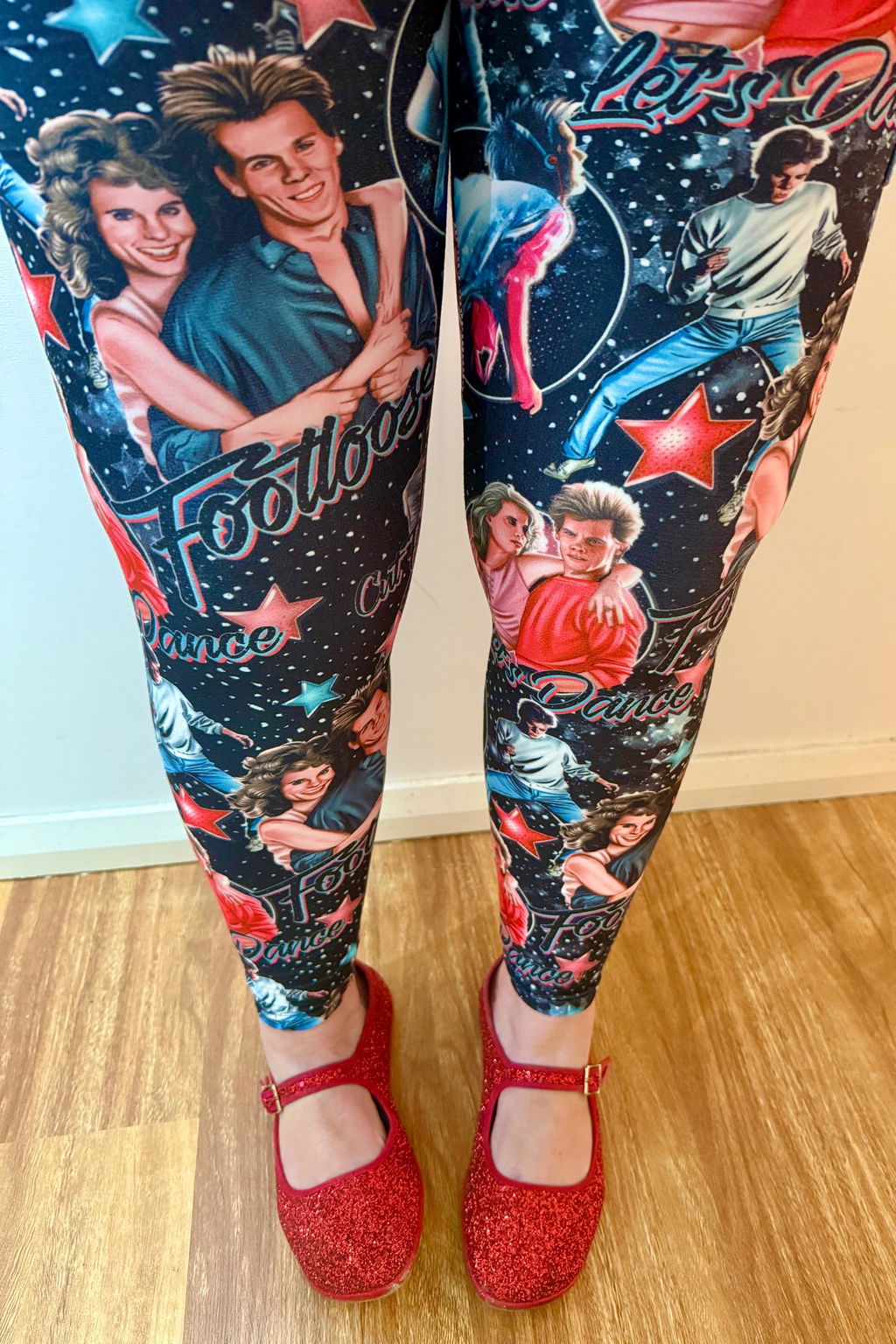
A ball cap hides unbrushed hair and adds a casual chic finish. Gold hoop earrings, a simple necklace and a crossbody bag lift a plain lounge set without effort. Swap the gym tote for a structured shoulder bag, and choose clean sneakers over worn slides. Keep it to two or three accessories so the outfit still feels low-maintenance. A coordinated set in a vibrant print also does most of the styling work for you, so you need fewer add-ons.




Laisser un commentaire